
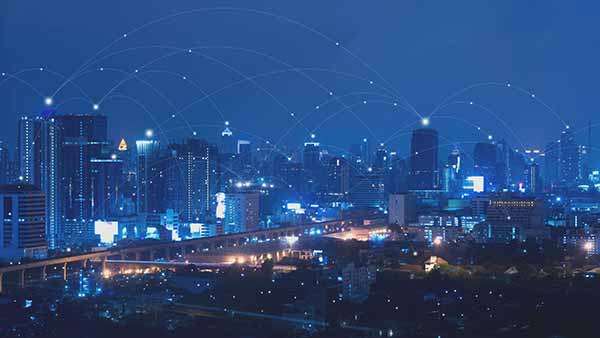
The internet, sometimes called the Internet of Everything (IoE), is an all-inclusive term that most of us use casually, not understanding that words such as the Internet of Energy and the Internet of Things (IoT) describe specialized aspects of it.
The internet is a worldwide array of servers and communication lines that allow us to access data and communications from our various devices: desktop, laptop, tablet, and smartphones. Information is constantly flowing from one point to another. Imagine an infinite army of tiny file clerks running from point to point with information files — that’s a good visualization of what the internet is and does.
While you might have a vague grasp of the internet, how it’s configured, and its different sectors, it can still be quite a confusing space to truly understand. To help clear any confusion, this guide will spell out all the details you need to know, including how the Internet of Energy (IoE) differs from the Internet of Everything and why it’s important to you and the planet.
What Is the Internet Of Energy (IoE)?
If you imagine the internet as a cyber universe, then the Internet of Energy (IoE) is a corner of that universe dedicated to all things energy-related. While the Internet of Everything encompasses how people interact with smart objects as well as one another, IoE specifically refers to the automation and upgrading of our energy infrastructure: the power grid from grid operators to energy producers and distribution utilities.
The IoE allows for the exchange of energy information, called big data. Big data analytics provide grid operators, energy producers, and distribution utilities with real-time energy consumption trends, allowing them to forecast where and when energy demand or energy consumption will peak. Grid operators, who manage and track energy production and delivery, can direct adjustments in the energy supply as needed with that data.
The IoE includes energy infrastructure in energy production and delivery by using artificial intelligence (AI) at power plants and power delivery systems. It also means upgrading and automating our appliances and metering at the point of delivery — our homes. Smart meters and intelligent appliances or devices help optimize our energy supply, energy management, and energy use.
So, within the IoE, we have smart grid technology, or the Internet of Things (IoT), which helps power producers and distributors monitor and deliver power on a more efficient basis. Each segment can “talk” to the others about the most energy-efficient ways to provide power from the point of power generation to your home.
![Electric Plans and Rates? Get the Best one for You! Call Just Energy Today [phone_number]](https://justenergy.com/wp-content/uploads/2020/12/cta-banner-justenergy-rates-call-4.jpg "Electric Plans and Rates? Get the Best one for You! Call Just Energy Today [phone_number]")
What Is the Internet of Things (IoT)?
The Internet of Things (IoT) is a network of physical objects that have embedded intelligent sensors and AI software to connect and exchange data. Think of it as a collection of smart devices that gather information to carry out a function, sometimes without human intervention.
Examples of the IoT include:
- Connected appliances — such as a smart home’s ability to turn on lights or trigger the security system
- Wireless inventory trackers
- Biometric cybersecurity scanners
- Shipping containers and logistical tracking
- Wearable health monitors (e.g., FitBits, ECG monitors)
What’s the Difference Between the IoE and the IoT?
The Internet of Energy builds on the principles of the Internet of Things to provide people with the data necessary to optimize and manage the power grid. The goal is to increase the autonomous operation of the power grid. Using IoT devices, such as smart sensors and communication technologies, the energy industry is creating the Internet of Energy to manage energy generation and energy resources.
The IoE is a smart energy infrastructure system that incorporates the IoT to connect every point within the power grid: generation, load, distribution, storage, smart meters. As a result, the IoE supports the power grid’s ability to operate with more efficiency, resiliency, and reliability. Not limited to a two-way flow of information, the IoE allows for a multi-directional flow of information.
How Is IoT Being Used in Energy Systems?
While the current smart grid allows grid operators to manage traditional energy generation sources (fossil fuels and hydropower, for example), it doesn’t easily allow for the inclusion of renewable energy sources, such as solar power or wind power. Using the IoT will help with improved energy data management and optimize most processes within the grid.
As climate change drives the development of clean energy and sustainability, the IoT will help incorporate renewable energy sources, like wind farms and solar panel arrays, into the smart grid. Such incorporation will further expand the Internet of Energy. The goal is sustainable and renewable energy delivered seamlessly to the point of use. In other words, smart power.
How Is the Internet of Energy Used?
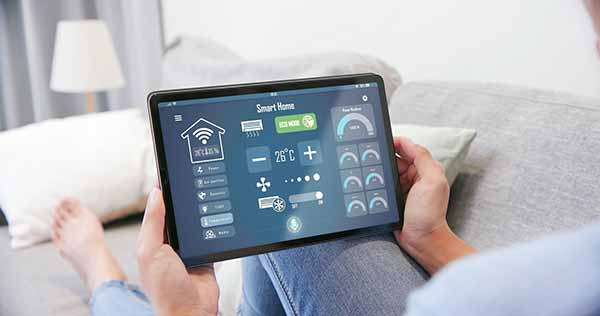
The Internet of Energy has numerous uses, and its utilization ranges from grid operators to commercial, residential, and industrial consumers.
Suppose a catastrophic event, such as California’s Dixie Fire or Texas’s February 2021 storm, disrupts power generation and distribution networks. In these extreme cases, the IoE helps grid operators manage the grid in real-time to diagnose which lines need to be de-energized and reroute power along different power lines.
The IoE also allows local utilities to pinpoint trouble spots within their microgrids, such as a blown transformer, and identify and communicate with affected customers. That ability to identify a trouble spot allows utilities to send repair crews where they are needed without tracking down the problem point.
Daily, the Internet of Energy helps grid operators and the energy industry plan for and meet the energy demands of residential, commercial, and industrial consumers. Real-time monitoring shows where demand increases or diminishes, allowing energy generation to be adjusted accordingly.
The IoE means more tools to manage their energy consumption and increased energy efficiency for consumers. For example, smart homes equipped with digital controls for lighting, heating, and appliances help homeowners control their energy consumption using a combination of voice commands, remotes, and switches, apps, or AI.
What Are the Four Pillars of the Internet of Energy?
Like the internet, the Internet of Energy depends on four central pillars: people, data, things, and processes. Energy infrastructure (generators, transmission lines, pipelines, etc.) needs to be controlled by people who rely on real-time data to inform their actions.
With the energy data received from various IoT technology points, the people involved in the energy industry can make informed decisions about the processes they manage.
![Looking for Terrific Home Energy Plans? Call [phone_number] - Just Energy Customer Service is Waiting!](https://justenergy.com/wp-content/uploads/2020/12/cta-banner-justenergy-rates-call-5.jpg "Looking for Terrific Home Energy Plans? Call [phone_number] - Just Energy Customer Service is Waiting!")
How Does the Internet of Energy Work?
The Internet of Energy uses IoT technology to collect data and manage operations at many points in the power grid’s infrastructure. Sensors within the energy industry’s IoT support the diagnostic, analytic, optimization, and integration processes. The result is increased energy efficiency for the energy sector players and residential, commercial, and industrial buildings and plants.
Smart meters, such as those used in your home or business, are an example of how the IoE works. Smart meters use two wireless networks to communicate with your utility company. The Home Area Network (HAN) connects your appliances and lights to the meter itself, while the Wide Area Network (WAN) submits the data to the utility. Gas and electric utilities use smart meters.
Similar information from neighboring homes and businesses helps your utility determine real-time energy demand in your area. Communicating data upline, power utilities can adjust power generation and get power from other power systems on the power grid, if necessary, because of data exchanges happening throughout the IoE.
What’s the Purpose of the IoE?
The Internet of Energy can optimize efficiency in the generation, transmission, and utilization of electricity through the digital tools that are the Internet of Things: sensors, actuators, computers, etc. As a result, energy optimization will reduce costs and increase reliability in delivering power to homes and businesses.
It will also help eliminate wasted power generation by informing energy producers when the systems are at peak capacity or in low demand. In addition, operators can direct excess energy to energy storage in the form of complex battery arrays, which hold power in reserve for a time when energy demand increases or to balance energy loads.
How Many Internet of Energy Sources Are There?
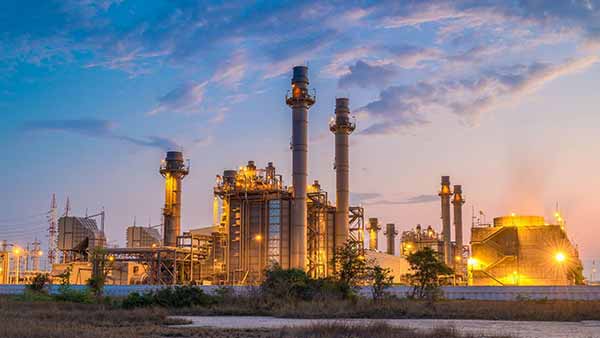
Because the Internet of Energy relies on the Internet of Things, the access points are in the thousands, if not millions. Power plants, transmission lines, substations, and delivery networks each have many smart sensors — from smart meters and actuators to pressure gauges and voltage regulators — that feed into the IoE.
From the drilling site or electrical generation plant down to the smart device in your home that runs your lights, heating, and appliances, all send and receive energy data that manage energy production and delivery.
What Are the Challenges for the Internet of Energy?
The Internet of Energy has several valuable features, and it incorporates flexible technology platforms. However, coordination and cooperation between technologies, networks, and entities are essential. The sheer complexity of the interconnections and system security and standardization issues is the greatest challenge for producers and consumers alike.
The Importance of the Internet Of Energy
The Internet of Energy aims to upgrade and automate energy production and delivery processes fully. With millions of data points to monitor, the Internet of Energy can provide energy producers, grid operators, and utilities with the necessary information to balance energy production and energy demand.
What’s more, IoE will enable the incorporation of renewable energy sources into the existing grid.
Climate change is driving renewable energy development, but currently, there is no easy way to bring that energy into the grid on a broad scale. As fossil fuel resources diminish, that inability brings an ever-increasing urgency to get renewable energy online.
The IoE builds on the Internet of Things — devices we already use, such as smartphones and smart speakers like Amazon’s echo, Google Nest, or the Apple Home Pod. All of these devices are used to connect lighting, security systems, HVAC systems, and appliances for homes and businesses. For example, the use of Wi-Fi, smartphone, and remotes helps energy consumers improve their home energy efficiency by managing the lights or “telling” the air conditioner when to turn on or up.
Overcoming the challenges facing the continued development of the Internet of Energy means more efficient energy production and a more reliable energy supply that includes all energy sources. It also means lower energy development and production costs across the industry, resulting in more affordable energy for consumers.
Brought to you by justenergy.com
All images licensed from Adobe Stock.
Featured image: