

Natural gas is one of the most common home energy sources in America. Whether you use natural gas to heat your home, cook food on the stove, or power other appliances, it’s important to keep your gas appliances in working order to avoid gas leaks.
If your gas lines or appliances get damaged or aren’t installed properly, you could be at risk of fire, gas poisoning, and other dangers. Fortunately, there are steps you can take to prevent gas leaks and identify them when they happen.
Here’s how to recognize the signs of a gas leak in your home and how to know when it’s time to call the gas company.
What Are the Signs of a Gas Leak in Your Home?
There are three ways to identify a gas leak in your home using your senses: your eyes, your ears and your nose. The first is to look for visual signs of a gas leak, such as:
- A disconnected pipe
- A pilot light that has an unusual color or has burned out
- A house plant near a gas appliance that has turned brown
You may also be able to identify leaking gas by listening for unusual sounds near a gas appliance, such as a hissing sound as air escapes from a gas pipe.
Finally, you may notice a strong smell. Most people describe the odor as similar to rotten eggs, but it’s actually a chemical called mercaptan that’s been added to the gas supply.
What Causes a Gas Leak in a House?
Most gas leaks are caused by damaged or improperly installed appliances. Your home might be at risk of a gas leak if your gas appliances don’t have the right fittings, if they haven’t been properly maintained, or if they’ve experienced a malfunction.
You can mitigate the risk of a gas leak by hiring a qualified professional to install any gas appliances and by having them repaired if there are any signs of damage.
Can You Smell a Gas Leak?
Natural gas is odorless, so gas companies add a harmless chemical — mercaptan — with the distinct smell of rotten eggs. This makes it easier for you to detect a gas leak.
However, you shouldn’t depend on smell alone to identify a gas leak. There are plenty of reasons why you might not smell a gas leak. If you smoke tobacco, have a cold, or simply don’t have a strong sense of smell, you might not notice it as easily.
It’s also possible for the smell of gas to be covered up by other strong scents in your home, especially if you’re cooking or if you use air fresheners.
What Do You Do If You Notice a Rotten Egg Smell?
If you notice a rotten egg smell, the first thing you should do is leave your home and call your gas company or fire department from a safe location. They can come to your home to test it for gas and turn off the gas supply if they identify an issue.
But what if you don’t actually have any gas appliances or the gas company doesn’t find a leak? The rotten egg smell could be caused by something else instead.
Some common issues include dried-out drain pipes, a damaged sewer line, or a buildup of hydrogen sulfide in your well water. And of course, there’s always the chance you’ve left rotten eggs or other rotting foods in your refrigerator.
These issues aren’t as life-threatening as a gas leak, so always rule that out before getting to the bottom of these other possibilities.

Join us – we've been at this for more than 20 years, so you're in good hands.
Do Gas Leaks Smell Like Skunk?
The strong smell of mercaptan is added to the gas supply, but it also exists in nature. Skunk spray also has mercaptans, so some people might associate the smell of a gas leak with the smell of a skunk.
The chemical is made up of hydrogen, carbon, and sulfur, and its unpleasant odor is exactly why utility companies use it as a warning of a gas leak. After all, skunks use it as a warning, too.
If you aren’t sure whether you’re smelling a gas leak or an actual skunk, play it safe and call the gas company first.
How Common Are Gas Leaks?
 source
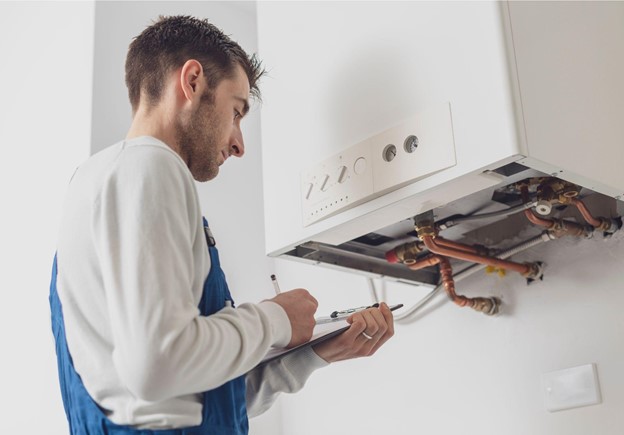
With so many Americans relying on natural gas for cooking and heating, gas leaks are surprisingly common. A report by Stanford University found that natural gas leaks and related explosions were responsible for 73 deaths and 412 injuries over the previous decade.
But gas leaks don’t just occur in residential homes. They can also be found in pipelines, storage facilities, and elsewhere in the distribution system.
Since natural gas is primarily made up of methane, a powerful greenhouse gas, even small amounts of methane emissions can contribute to climate change.
Identifying and fixing gas leaks is important for natural gas safety in the home, as well as for improving the efficiency and sustainability of our energy system.
Is a Small Gas Leak OK?
There’s no such thing as a safe gas leak. Although small amounts of natural gas are less dangerous than large amounts, even a small gas leak can build up to an unsafe level, especially in a small room with all the windows closed.
If you’ve identified the source of the gas, such as a burner that was left on or a pilot light that went out, then you may be able to address it on your own.
You can use the shutoff valve to turn off gas flow to the appliance. Wait for the gas to dissipate through an open window for at least five minutes before trying to relight the pilot. If you can still smell gas or see any signs of loose fittings, shut the gas off again and call your utility company or a professional plumber.
How Do Gas Leaks Happen?
Gas leaks can happen for any number of reasons. An old gas line might corrode or develop a leak, or a fitting might come loose where the gas line is connected to an appliance, such as a water heater.
In other cases, a gas leak could be caused by human error, such as turning on the stove accidentally or obstructing airflow to a gas appliance. Even a strong wind or ceiling fan can blow out a pilot light without anyone noticing.
What to Do If Gas Is Leaking?
If you suspect there’s leaking gas somewhere in your home, the first thing you should do is get everyone in the house outside and call the utility company or fire department. If you know where the gas meter is and how to turn it off, you can do so while waiting for them to arrive.
In the meantime, avoid going anywhere near the smell of gas, and don’t smoke, use your phone, light a match, or use any electrical appliances in the vicinity.
The gas company will let you know when it’s safe to go back inside or if they need to make repairs to your gas line first. Natural gas safety services are available 24/7, and there’s no fee to call your utility provider to report a gas leak.
Can Gas Leaks Be Fatal?
 source
Yes, gas leaks can be fatal if they aren’t fixed. A buildup of natural gas in the home or workplace can lead to asphyxiation (lack of oxygen) and other physical symptoms.
There’s also a high risk of fire or explosion if the gas gets ignited by a flame or spark. You can reduce the risk by keeping combustible and flammable materials away from gas appliances and following other gas safety tips.
Gas leaks can be fatal even if you don’t notice the smell of natural gas. That’s because natural gas produces carbon monoxide when it isn’t burning properly.
Since carbon monoxide is odorless, you’ll need to install a carbon monoxide alarm to warn you if it detects dangerous levels of the gas.
Will a Carbon Monoxide Detector Detect a Gas Leak?
No, a carbon monoxide alarm only detects carbon monoxide, so it won’t warn you about natural gas or methane leaks. If you have high carbon monoxide levels, though, it could be a sign that your natural gas appliances aren’t working properly.
The physical symptoms of carbon monoxide poisoning include headaches, chest and abdominal pain, and fatigue. Symptoms of natural gas inhalation may also include a reduced appetite, ringing in the ears, and nosebleeds.
If you notice any symptoms in yourself, your family members, or your pets that you can’t otherwise explain, they could be caused by a gas leak.
Is a Gas Leak an Emergency?
Yes, a gas leak is an emergency. If you hear, smell, or see any signs of a gas leak, don’t hesitate to get outside and report the problem to your gas company or public utility company.
Can Breathing Natural Gas Make You Sick?
Yes. Although natural gas is non-toxic, it can make you sick by reducing the amount of oxygen in the air and causing asphyxiation or hypoxia (low levels of oxygen in the body).


I heard about Just Energy through a friend of mine. I went with them because of their low rate, and I save more energy too. With their service, our bills went down. Their people were nice as well.
Franklin Powe
Outdoor leaks aren’t as dangerous, but high concentrations of natural gas in an indoor space can be fatal.
Who Fixes Gas Leaks?
That depends on where the gas is leaking from. If it’s leaking from a storage facility or pipeline, then the utility company is responsible for fixing it.
If the leak is related to a gas appliance in your home, such as a water heater, then you may need to hire a plumber or another qualified professional to fix it.
How Long Do Gas Leaks Take to Fix?
A gas leak could take anywhere from one hour to 24 hours to fix, depending on where it’s located and the severity of the issue. If the gas leak or outage is off-site, then your utility provider will let you know when it’s safe to turn your gas back on.
Lower Your Natural Gas Rates With Just Energy
 source
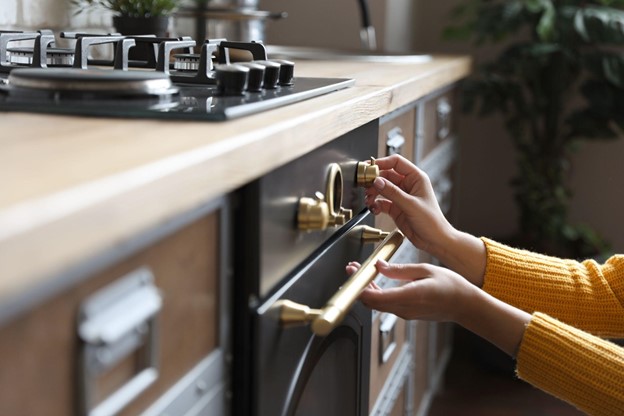
The price of natural gas changes with supply and demand, so it’s worth exploring your options every once in a while to ensure that you’re getting the best rates. Just Energy offers fixed-rate options for electricity and natural gas, so you can choose whichever plan is right for your needs. Simply enter your ZIP code to learn more.
Brought to you by justenergy.com
All images licensed from Adobe Stock.
Featured image: