

Coal is one of the world’s most widely-used fossil fuels. It played an important role in the Industrial Revolution, and it continues to provide heat and electricity to billions of people around the world. But as we’ve learned more about the environmental impacts of world coal consumption, it’s becoming clear that something has to change.
Some countries have already begun to phase out coal as a way to reduce their carbon emissions, but others still rely on it heavily for electricity generation.
Let’s take a look at the current status of global coal consumption, its role in electricity production, and what types of renewable energy sources might replace it.
What Percent of the World Uses Coal for Energy?
According to CarbonBrief.org, the generating capacity of coal-fired power plants has doubled over the past two decades – but these power plants aren’t evenly distributed around the world. The majority of the world’s coal-fired power plants are in Asia, with high levels of coal consumption in parts of Europe and North America.
South America, Africa, and Oceania have comparably few coal-fired power plants, while a handful of countries, including Uruguay, Costa Rica, and parts of the European Union, don’t use coal for electricity generation at all.
What’s the Total Amount of World Coal Consumption?

The International Energy Agency (IEA) estimates that global coal consumption in 2022 will be over 8 billion metric tons. Coal power accounts for 37% of the world’s electricity production, or the equivalent of 44,000 terawatt-hours of electricity.
But electricity generation isn’t the only way to use coal. Metallurgical coal, which has more carbon than thermal coal, is used in the steel-making process. According to the Energy Information Administration (EIA), around 1 billion tons of annual coal usage consists of metallurgical coal, while thermal coal makes up the other 7 billion.
Which Country Consumes the Most Coal?
China accounts for the majority of world coal consumption – just over 54%, with over 1,100 coal-fired power plants producing around 82 exajoules of energy.
India comes in second, producing 17.5 exajoules of energy and accounting for 11% of global coal consumption. The U.S. accounts for 6.1% of the world’s coal consumption, followed by Japan, South Africa, Russia, and Indonesia.
Which Country Has the Most Coal?
According to the U.S. Geological Survey, there are “an estimated 252 billion short tons of coal” available in the U.S., which is about 22% of the world’s remaining supply.
Russia has around 176 billion tons, followed by Australia with 159 billion tons and China with 149 billion. Each country has about 13-15% of the world’s total coal reserves. India, Germany, Ukraine, and South Africa all have coal in much smaller amounts.
Although the U.S. has the largest coal reserves, it isn’t the leader in coal production. It only produces 640 million tonnes per year, compared to China, which produces up to 3.7 billion tonnes due to its higher reliance on coal for power generation. Indonesia exports the most coal, followed by Australia and Russia.
What’s the Consumption Rate of Coal?
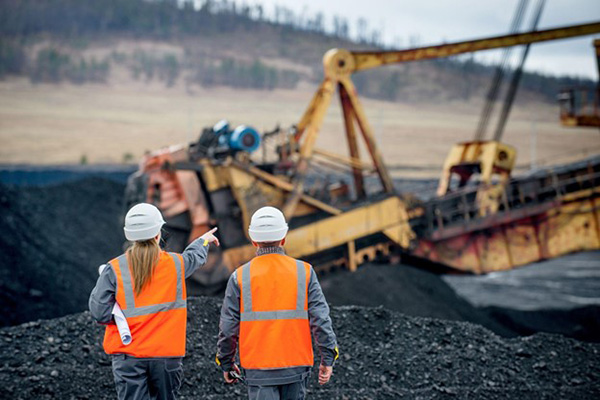
Coal demand decreased in 2020 during the pandemic and is on the decline in Europe and North America. Natural gas has surpassed coal as a share of the U.S. energy mix, and many coal-fired power plants are shutting down early due to rising coal prices and increased demand for clean energy sources to combat climate change.
However, the global consumption rate of coal is likely to increase in the coming years due to energy consumption in China, surpassing the previous peak.
By some forecasts, there are enough coal reserves left to last for 133 years. But as the environmental impacts of coal use become more apparent – including air pollution and CO2 emissions – there’s a strong case against using coal for electric power.
Find out why over a million customers trust Just Energy!
How Much Energy Comes From Coal?
Coal is a remarkably dense energy source: a single metric ton of coal can produce up to 1,927 kilowatt-hours of electricity. By comparison, natural gas can only produce 99 kWh per 1,000 cubic feet, and a barrel of fuel oil can produce up to 578 kWh.
So why are some power plants transitioning from coal to natural gas? Mostly because natural gas is cleaner: coal produces more greenhouse gas emissions than any other energy source, making it an especially poor choice for energy use.
That said, carbon dioxide emissions from natural gas in the U.S. now exceed that of coal because it makes up a greater share of the power sector.
Where Does Coal Energy Come From?
The energy found in coal has been buried in the Earth for millions of years. Like other fossil fuels, it’s made up of compressed plant and animal matter. Because it takes so long to form, it’s considered a non-renewable energy source.
Coal deposits come in four different types:
- Anthracite: Although this is the most carbon-dense form of coal, it makes up a small portion of U.S. coal consumption, and is only mined in Pennsylvania.
- Bituminous: This type of coal is mined in eastern states like West Virginia, and can be used to produce electricity or in steel production.
- Subbituminous: This type of coal is produced in western states like Montana and Wyoming, but is younger and less carbon-dense than bituminous coal.
- Lignite: Lignite is found in central states like Texas and North Dakota. It has a low carbon density of around 25-35%, and can either be used for electricity or turned into synthetic natural gas.
To turn coal into electricity, it’s typically crushed or pulverized and then fed into a boiler. As the coal burns, it produces steam, which turns a turbine that powers a generator.
This is the same process used to generate electricity from nearly any fossil fuel, which is why coal-fired plants can be converted to run on natural gas instead.
Why Is Coal Bad for the Environment?
Coal is bad for the environment in several different ways. First, because coal deposits are located underground, they need to be extracted, or mined, in order to use them.
As the EIA explains, the coal mining process can involve “mountaintop removal” and other invasive techniques that harm the landscape and native wildlife. Subterranean mines are less damaging, but present other risks, such as methane leaks that can endanger the lives of workers and contribute to greenhouse gas emissions.
When coal is burned to produce electricity, it releases additional emissions, such as sulfur dioxide, nitrogen oxide, and even heavy metals like mercury. These emissions can cause smog and acid rain, contributing to respiratory illnesses and other health effects on people who live near the power plant.
What Is Clean Coal?
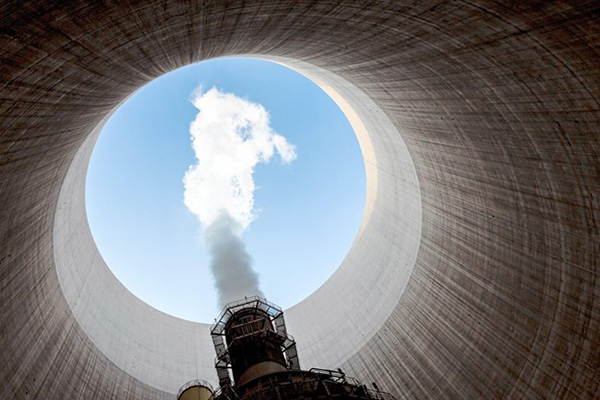
The concept of “clean coal” can refer to any number of practices, from literally washing the coal before it’s burned, to removing pollutants like sulfur dioxide from its emissions. It can also refer to carbon capture and storage (CSS) technologies, in which CO2 is pumped deep into the ground or otherwise removed from the atmosphere.
Although these technologies can make a difference, they aren’t yet effective enough to offset the damage of coal consumption.
Will Coal Power Plants Survive?
According to a researcher at Stanford University, coal-fired power plants are built to last for 40 years. As coal consumption falls out of favor, the coal industry faces a challenge: should these plants stay open, close down, or be converted into something else?
Although converting coal-fired plants to natural gas plants can be an option, it isn’t the only one. The World Economic Forum points out that energy companies can “find new life for such plants” by “repurposing [them] into solar, wind, or green hydrogen sources, storage options, or synchronous compensators.”
Turning a coal plant into a solar farm or energy storage facility can help to preserve jobs and contribute to economic growth in the community – while supporting a clean energy transition and reducing our reliance on fossil fuels.
What Are the Best Alternatives to Coal?
Reducing carbon emissions isn’t the only reason to switch away from coal consumption. Moving away from coal can also help countries become more energy-secure, and less reliant on the output of coal producers or the ups and downs of the coal market.
The best alternative to coal depends on the available resources and energy needs of the country in question. As the Kleinman Center for Energy Policy at UPenn points out, some “developing countries such as Nepal, Democratic Republic of Congo, Namibia, and Paraguay do not use coal … since they are abundant in hydropower.”
According to the Climate Council, Costa Rica relies on a mix of “hydro, geothermal, wind, biomass, and solar power,” France generates more nuclear energy per capita than any other country in the world, while the United Kingdom gets about 6% of its energy from biofuels, including wood pellets shipped from the U.S.
How Does Coal Consumption Affect the Price of Electricity?

In 2020, the IEA calculated that coal was the most expensive power source in the U.S., with an estimated cost of $110 per megawatt-hour (MWh). Natural gas cost $45/MWh, while nuclear cost $75/MWh and utility-scale solar power cost $44/MWh.

Of course, these prices are heavily dependent on supply and demand, and electric grid operators draw from multiple sources at any given time. For example, the IEA points out that last year, “increases in natural gas prices have prompted substantial switching to the use of coal rather than natural gas to generate electricity in key markets.”
So could the price of coal be the reason your electric bill keeps rising? That depends on where you live. In states like Texas, wind and solar energy are so abundant that they’re saving consumers up to $20 million per day.
In fact, it’s the reason companies like Just Energy can offer free nights and weekends and green energy plans that are 100% offset by solar energy.
Find the perfect plan in 3 easy steps!
1 Enter your ZIP code
2 Choose your plan
3 Sign up in under 5 minutes
If you want to reduce your coal consumption and lower your electricity bill, enter your ZIP code below to compare plans in your state.
Brought to you by justenergy.com
All images licensed from Adobe Stock.
Featured image: