

Running out of room to dispose of solid waste is a growing problem in many parts of the world. A report by Solid Waste Environmental Excellence Performance (SWEEP) found that U.S. landfills could run out of capacity in less than two decades.
But landfills aren’t the only way to dispose of garbage, and some regions are turning to “waste-to-energy” programs to improve their waste management practices. Let’s take a look at how waste-to-energy (WTE) plants work and how they compare to other methods of energy production.
Can Landfills Be Used for Energy?
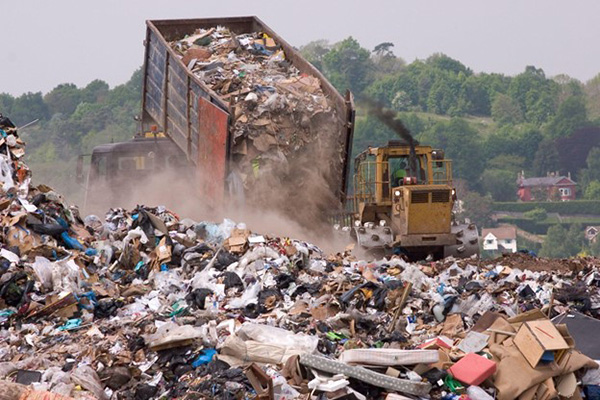
Landfills are used to store municipal solid waste, or MSW. Landfills are tightly sealed so they don’t leach toxic compounds into the air or soil. But as organic matter breaks down, or decomposes, it produces methane, a type of natural gas.
Methane is a big contributor to climate change. It’s also highly flammable, and needs to be vented from the landfill to prevent it from building up.
Since methane can also be used as a form of energy, it makes sense to burn it in order to generate electricity. This reduces the amount of fossil fuels we burn, and it reduces the amount of greenhouse gas emissions released into the atmosphere.
Do Landfills Provide Energy?
 source
Landfills naturally produce decomposition energy, which is the heat that’s produced by bacteria as they break down organic waste. But landfill energy projects don’t capture this energy directly. Instead, they burn the gas that’s released as a byproduct of the decomposition process.
This type of natural gas is called landfill gas (LFG) and consists of methane and carbon dioxide. Unlike other forms of natural gas, which take millions of years to develop, LFG is produced relatively quickly and is considered a renewable energy source.
How Is Landfill Waste Turned Into Energy?
The simplest way of turning landfill waste into energy is to capture the methane gas that it releases and use it to generate energy at a power plant.
Another method is to process the waste using a biogas system. This option essentially skips the landfill in favor of composting municipal waste in an anaerobic digester. This allows for more control over the waste disposal process and eliminates some of the chemicals that may accumulate in a landfill.
A third option is incineration, in which the waste isn’t broken down by bacteria at all. Instead, it’s burned in a waste-to-energy plant that converts it into electricity.

What Is Gasification?
Gasification is another waste-to-energy system that can be used to turn organic matter into gas. The main difference is that gasification doesn’t use combustion (i.e., burning) so it doesn’t produce the same types of emissions as incineration.
Gasification requires high temperature and high pressure, and creates syngas, which can then be used to produce synthetic natural gas.
What Is Pyrolysis?
Pyrolysis is another technique used to turn organic matter into fuel rather than directly into electricity. Pyrolysis produces products like bio-oil and bio-char, and requires high temperatures in the range of 900°F (500°C) or above.
Can Food Waste Be Turned Into Energy?
 source
Yes, food waste can be processed using a waste-to-energy system. According to the Environmental and Energy Study Institute, “Food should be sent to landfills as a last resort.” The most efficient option is to process it using anaerobic digestion.
This method can be used to derive energy from food waste, livestock waste, and other feedstocks. (“Feedstock” refers to the type of matter that’s placed into the system.)
Different feedstocks break down at different rates, and high temperatures can speed up the process. In addition to biogas, this type of WTE facility can also produce fertilizer, biofuels, and more.
Can Trash Be Burned to Produce Electricity?
Incineration has a bad reputation due to its association with air pollution. But burning trash for energy is more common than you might think, and new energy technologies have reduced some of the environmental impacts.
This energy recovery method is especially common in Europe. In fact, Denmark alone burns up to 3.8 million tons of garbage every year—and is running out of its own trash to meet its energy production needs!
Waste incineration is distinct from biomass energy, in which plant materials like wood and straw are burned to produce electricity.
Is Getting Energy From Garbage Hazardous?
Since landfills contain all kinds of municipal waste, it’s natural to wonder whether it’s safe to use trash for producing electricity.
The first thing to keep in mind is that hazardous waste products, such as chemicals used in manufacturing, shouldn’t be disposed of in landfills to begin with. Although landfills do contain some toxic substances, a municipal landfill shouldn’t be used to dispose of things like medical waste or nuclear waste.
Second, WTE plants use better pollution control methods than they did even a few decades ago. This includes charcoal filters and other technologies to scrub heavy metals, dioxins, and particulate matter out of the flue gas.
The incineration process typically results in 20% “bottom ash”—non-toxic matter that can be safely used as landfill—and around 5% “fly ash”—toxic material that has to be removed and disposed of separately.
Despite these safety precautions, there are still some concerns about the emissions produced by WTE plants, especially in residential areas.
What Is the Role of Waste-to-Energy in Resource Recovery?
One benefit of WTE as part of a solid waste management system is the potential to recover resources that would otherwise be lost.
Incinerators typically burn away plastics and organic matter and leave behind metal, which can then be collected and returned to the manufacturing system.
Waste-to-energy plants in the U.S. recover up to 700,000 tons of metal every year, reducing the need to mine or acquire these materials from other sources.
How Efficient Are Waste-to-Energy Plants?
 source
By most accounts, it’s better to reuse and recycle our waste materials than send them to waste-to-energy plants. Still, for things that can’t be recycled, WTE is a surprisingly energy-efficient option.
The main benefit is that it reduces the amount of waste sent to landfills, and reduces the amount of fossil fuels we would otherwise burn to produce electricity.
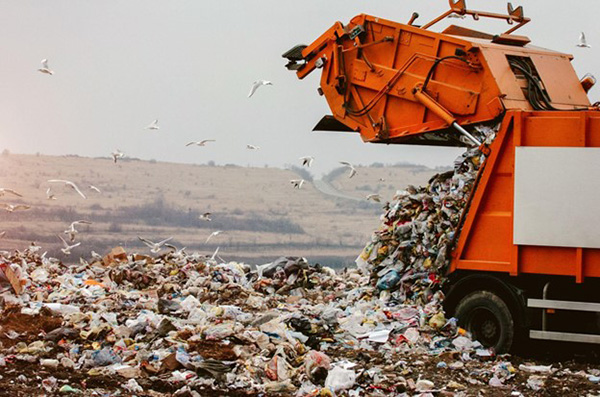
According to CNBC, the U.S. has around 1,450 landfills and only 76 WTE plants, most of which are located in the Northeast. That means trash from other parts of the country has to be shipped there in order to process it, increasing its carbon footprint.
How Are WTE Plants Used for District Heating?
District heating is a system in which an entire district gets its heating through a shared piping system, rather than having individual boilers in each building.
This is especially common in areas that use geothermal energy, but it can also be done with waste-to-energy systems.
One plant in Malmö, Sweden—population 300,000—uses waste-to-energy to generate enough heat to meet 60% of its heating needs.
Where’s the Biggest Waste-to-Energy Plant?
The biggest waste-to-energy plant in the world is located in Shenzhen, China. The plant is expected to burn around 5,000 tons of waste per day. That’s about a third of the total waste generated by the city’s 20 million people.
In addition to its WTE facilities, the plant has a roof covered in solar panels to produce even more renewable energy.
Runners-up include the Spittelau incinerator in Vienna, Austria—which heats 60,000 homes via district heating—and the Amager Bakke plant in Copenhagen, Denmark, which heats 72,000 homes and doubles as a ski slope.
Is Landfill Gas a Renewable Resource?
Landfill gas is often described as renewable natural gas (RNG) because we can keep producing more of it as long as we have garbage to burn. Unlike fossil fuels—once we use them up, they’re gone—landfill gas is readily available around the world.
However, there isn’t a universal consensus. In some states, waste-to-energy systems are treated as a renewable resource, and in other states, they aren’t.
Is Landfill Gas Clean Energy?
Likewise, there’s some disagreement over whether or not LFG is “clean energy.” While it’s significantly better than the alternatives—such as oil and coal consumption—it still releases some toxins and emissions into the environment.
Critics worry that it could reduce incentives to recycle, and that we should be focusing on reducing the amount of trash we produce rather than burning it.
Still, it can play a role in a “circular economy,” in which our waste products are put to good use, rather than simply wasting away in a landfill.

Who Is Buying RNG?
Once it’s processed, renewable natural gas (RNG) is the same as the natural gas used for heating or cooking. It can be transported via natural gas pipelines or converted into liquid natural gas (LNG) for easier storage and transport.
Some energy companies may allow you to choose renewable natural gas or offset your energy usage with renewable gas credits.
The renewable natural gas sector is expected to grow massively over the next decade. BP is buying RNG company Archaea Energy Inc. for $4.1 billion, while Chevron bought the Renewable Energy Group Inc., which produces biodiesel, for $3.15 billion.
Is Getting Energy From Garbage a Good Solution?
 source
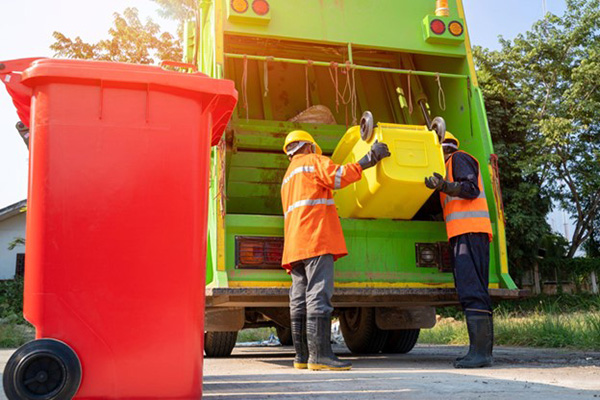
Getting electricity from garbage isn’t the perfect energy solution, but it can play a role in reducing our greenhouse gas emissions and contributing to a circular economy. As long as we continue to send trash to the landfill, it makes sense to capture what methane we can and use it to reduce our coal consumption and reliance on gas and oil.
Waste-to-energy plants also play a role in waste treatment, by filtering out toxins and other pollutants and allowing plant operators to recover metals.
Still, it’s important to work on reducing the resources we consume, rather than trying to burn away the problem. Check out these tips on how to improve your home’s energy efficiency and reduce your carbon footprint.
Brought to you by justenergy.com
All images licensed from Adobe Stock.
Featured image: