
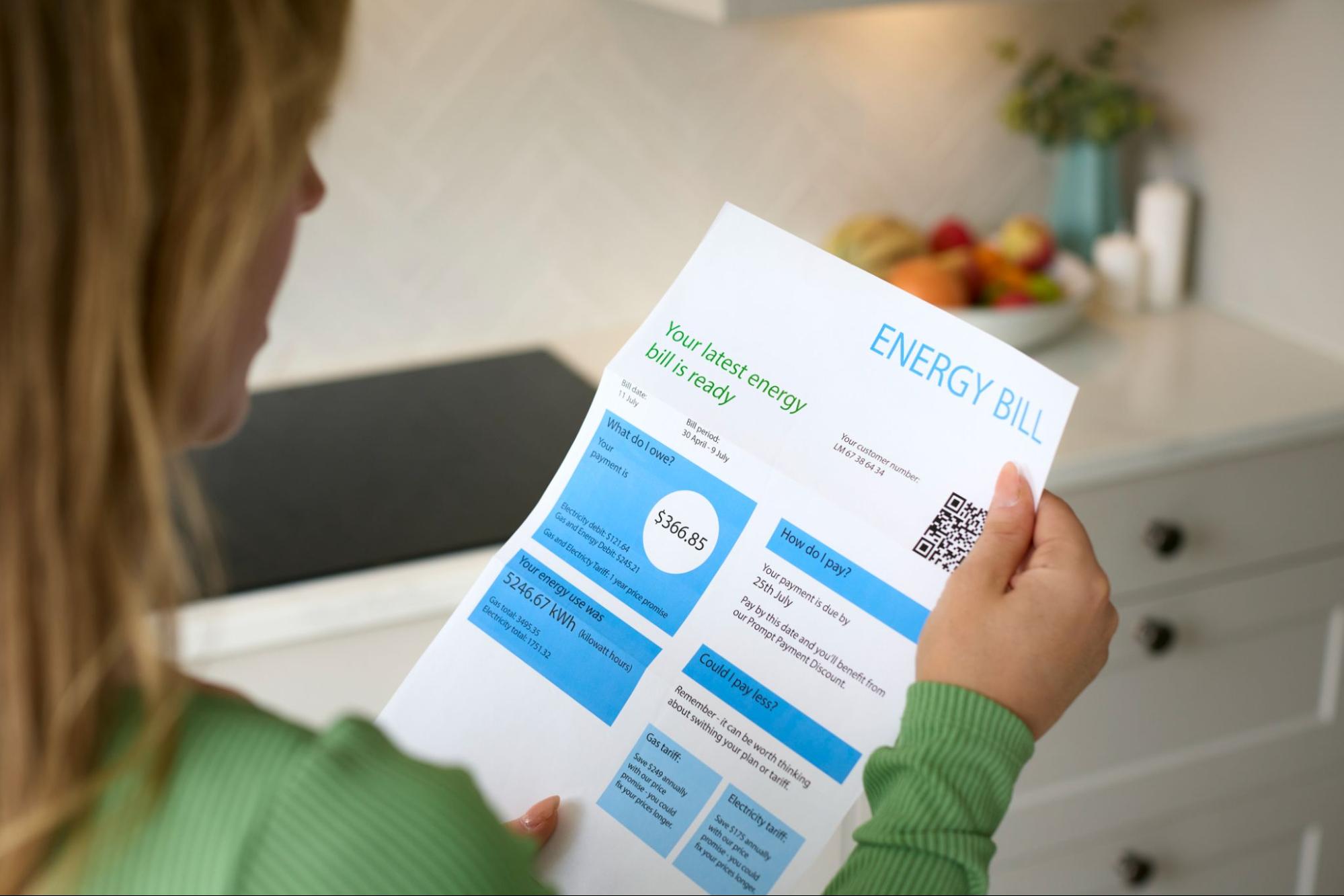
When you flip a switch in Ontario, the lights come on without a second thought. Behind the scenes, a province-wide system works nonstop to balance supply and demand. The Independent Electricity System Operator (IESO) manages most of this, though many people haven’t heard of them. The IESO keeps Ontario’s power flowing around the clock and influences your electricity costs. Here’s a straightforward look at what the IESO does in Ontario.
What Is the Independent Electricity System Operator (IESO)?
Ontario’s electricity system includes generators, transmission lines, local utilities, and millions of customers. The IESO Ontario acts as an independent coordinator at the center of this network. It doesn’t own power plants or wires, and it doesn’t send you a bill.
You can think of the Ontario electricity operator like an air traffic controller, but for electricity. Just as planes need to be managed so they don’t collide, the IESO manages power. Generators want to send electricity to the grid, transmission lines have limits, and customers use power at different times.
The IESO watches everything from a central control room and gives instructions to keep supply and demand balanced. That’s the IESO role explained in plain terms.
IESO History
Ontario set up the IESO during electricity sector changes in the late 1990s and when the market opened in 2002. Before then, one Crown utility did nearly everything. Dividing these jobs meant a neutral group was needed to coordinate generators, transmission owners, and local utilities. In 2015, the IESO merged with the Ontario Power Authority, adding long-term planning to its work.

Plans With Perks
Enjoy free nights or weekends and earn bill credits, making your electricity plan work for you.
What Does the IESO Actually Do?
The IESO has a few main jobs happening at the same time. Some work is done in real time, some involves predicting the next hour or season, and some is about running the market that decides which generators supply power at any moment.
Managing Ontario’s Power Grid in Real Time
In the IESO control room, operators keep an eye on Ontario’s electricity grid. Because electricity can’t be stored in large amounts on the wires, generation must always match usage. If a major generator fails or a transmission line goes down, the IESO quickly brings other resources online to keep the grid stable. These constant adjustments help prevent flickers, brownouts, and outages.
Balancing Electricity Supply and Demand
Besides real-time work, the IESO is always predicting how much electricity Ontario will need in the next hour, day, or season. For example, on a hot July afternoon when many air conditioners turn on, the IESO sees demand rising, calls for more generation ahead of time, and prepares reserves for the peak.
The same planning happens for cold snaps, holidays, and big events. Accurate forecasts keep the grid reliable when it matters most.
Running the Electricity Market
The IESO also runs Ontario’s wholesale electricity market. Generators offer to sell power, and the IESO picks the mix that meets demand at the lowest cost while staying within the grid’s limits. Prices change during the day based on demand and which generators are running. This market affects the prices you see on your bill.
Why the IESO Matters to Ontario Residents
Most people in Ontario won’t deal with the IESO directly, but its work affects daily life. It’s why your power is there when you need it, part of why your bill looks the way it does, and a key player in Ontario’s move to cleaner energy.
Knowing what the Independent Electricity System Operator does in Ontario can help you understand your bill and keep up with Ontario’s electricity changes. To learn more about your options, check out Just Energy’s services in Ontario.

How the IESO Affects Your Electricity Bill
While you won’t get a bill directly from the IESO, the choices it makes shape what you pay each month. The way it manages the market, chooses suppliers, and runs programs can all be seen in the details of your electricity statement.
Pricing and Supply Costs
When the IESO arranges for power to be supplied through the wholesale market, the price it sets is what most suppliers pay for electricity. This cost shows up on your bill as the electricity charge, and it also helps cover long-term contracts for things like nuclear, hydro, wind, and solar energy.
On top of that, your final cost depends on the time of day you use power or which rate plan you’re on, so using electricity at peak times can mean higher charges.
Related: Can you choose your electricity provider in Ontario?
Peak Demand and Conservation Programs
The IESO also runs programs to help lower peak demand. When peak demand is lower, Ontario needs fewer expensive backup generators, which helps keep everyone’s costs down. These programs can include rebates for energy-efficient equipment, special rates for using power when demand is low, and agreements with big customers who can quickly cut their usage if needed.
IESO vs. Other Energy Organizations in Ontario
Ontario’s electricity sector involves several organizations that are easy to mix up because each one touches your service in some way. The clearest way to keep them straight is to look at what each is actually responsible for.
IESO vs. Ontario Energy Board (OEB)
IESO vs. OEB comes down to operator versus regulator. IESO is responsible for the practical side of Ontario’s electricity system. Their staff monitors the grid at all hours, adjusting the flow of electricity and acting quickly if something isn’t working as it should. You probably won’t notice their work unless there’s an interruption, but most issues are handled before they affect customers.
Regulation of the electricity sector in Ontario falls to the Ontario Energy Board (OEB). Unlike the teams that operate the grid, the OEB’s role is largely administrative and public-facing. Board staff spend much of their time reviewing detailed applications from utility companies (sometimes hundreds of pages long) before any change in electricity rates gets approved.
The Board also hears from customers who have questions about their bills or concerns about service, and it’s not uncommon for the OEB to request additional information from providers before making a ruling. This process gives Ontarians a voice in how the electricity system is run and helps ensure companies are held to standards set by the province.
IESO vs Local Utility Companies
Think of your local utility as your neighbourhood’s electricity team. They’re the ones who bring power right to your door, read your meter, send your bill, and show up to fix things when the lights go out.
The IESO works behind the scenes, operating the big, province-wide grid that supplies these local utilities. So if there’s ever a power outage at your home, it’s your local utility you’ll want to contact, not the IESO.
| Organization | What it does | Who it answers to | Do you pay it directly? |
| IESO | Operates the grid, forecasts demand, runs the wholesale electricity market | Provincial mandate, overseen by the Ministry of Energy | No. Its costs are reflected in the wholesale price on your bill. |
| Ontario Energy Board (OEB) | Regulates the sector, approves rates, protects consumers, licenses utilities | Provincial government, independent regulator | No. The OEB sets the rules and rates on your bill. |
| Local Utility (LCD) | Delivers power through local wires, handles outages on your street, sends your bill | OEB rate approvals and licensing | Yes. The delivery line on your bill goes to your utility. |
How the IESO Handles Emergencies and Power Shortages
Emergencies are when all the behind-the-scenes work at the IESO pays off. Think of a heat wave, a winter storm, or a big piece of equipment suddenly breaking down; these are the moments when things can get tricky.
To get ready, the IESO spends all year making sure there’s backup electricity just in case, lining up agreements with big factories and businesses so they can use less power if needed, and keeping in touch with neighbours in Quebec, Manitoba, and the U.S. for help if the grid needs it.
If the energy situation gets especially challenging, the IESO can ask people across Ontario to cut back on their electricity use or, if there’s no other choice, temporarily shut off power to some areas to protect the whole system.
Future Role of the IESO (Renewables & Grid Modernization)
Ontario’s energy mix is changing, and the IESO is leading that transition. Demand will likely rise as more vehicles and buildings use electricity, and new wind, solar, storage, and small modular nuclear projects are being added to meet this need.
The IESO is updating its market and planning to include more flexible resources in Canada, like battery storage that can move solar power to the evening and demand response that treats using less power like generating more.
Find the perfect plan in 3 easy steps!
1 Enter your ZIP code
2 Choose your plan
3 Sign up in under 5 minutes
FAQs About the IESO
What does the Independent Electricity System Operator do in Ontario?
The IESO operates Ontario’s electricity grid, forecasts how much power the province will need, dispatches generators to meet that need, and runs the wholesale electricity market that sits behind retail prices. In short, they’re the answer to who manages Ontario power grid operations day to day.
Does the IESO control electricity prices?
The IESO does not set the rates on your bill. It operates the wholesale market where generators are dispatched, and those wholesale prices feed into the prices the Ontario Energy Board ultimately sets for most households.
Is the IESO part of the government?
The IESO is a non-profit corporation created by provincial legislation and overseen by the Ministry of Energy. It is independent in day-to-day operations, so no single generator or political interest can steer the grid.
How is the IESO different from Hydro companies?
Hydro companies, more accurately called local utilities, deliver electricity to your home and send you a bill. The IESO operates the high-voltage grid that supplies those utilities and runs the wholesale market behind the scenes.
What happens if the IESO fails to balance supply and demand?
If supply and demand fall out of balance, the grid’s frequency can drift, and protective systems may trip equipment offline. The IESO holds reserves and uses demand response and imports to avoid that, with controlled outages only as a last resort.
Does the IESO manage renewable energy in Ontario?
The IESO integrates wind, solar, hydro, and storage into the grid alongside nuclear and natural gas. It contracts for new resources, forecasts variable generation, and is reshaping its markets so flexible, lower-carbon resources can play a bigger role.
Brought to you by justenergy.com
All images licensed from Adobe Stock.