
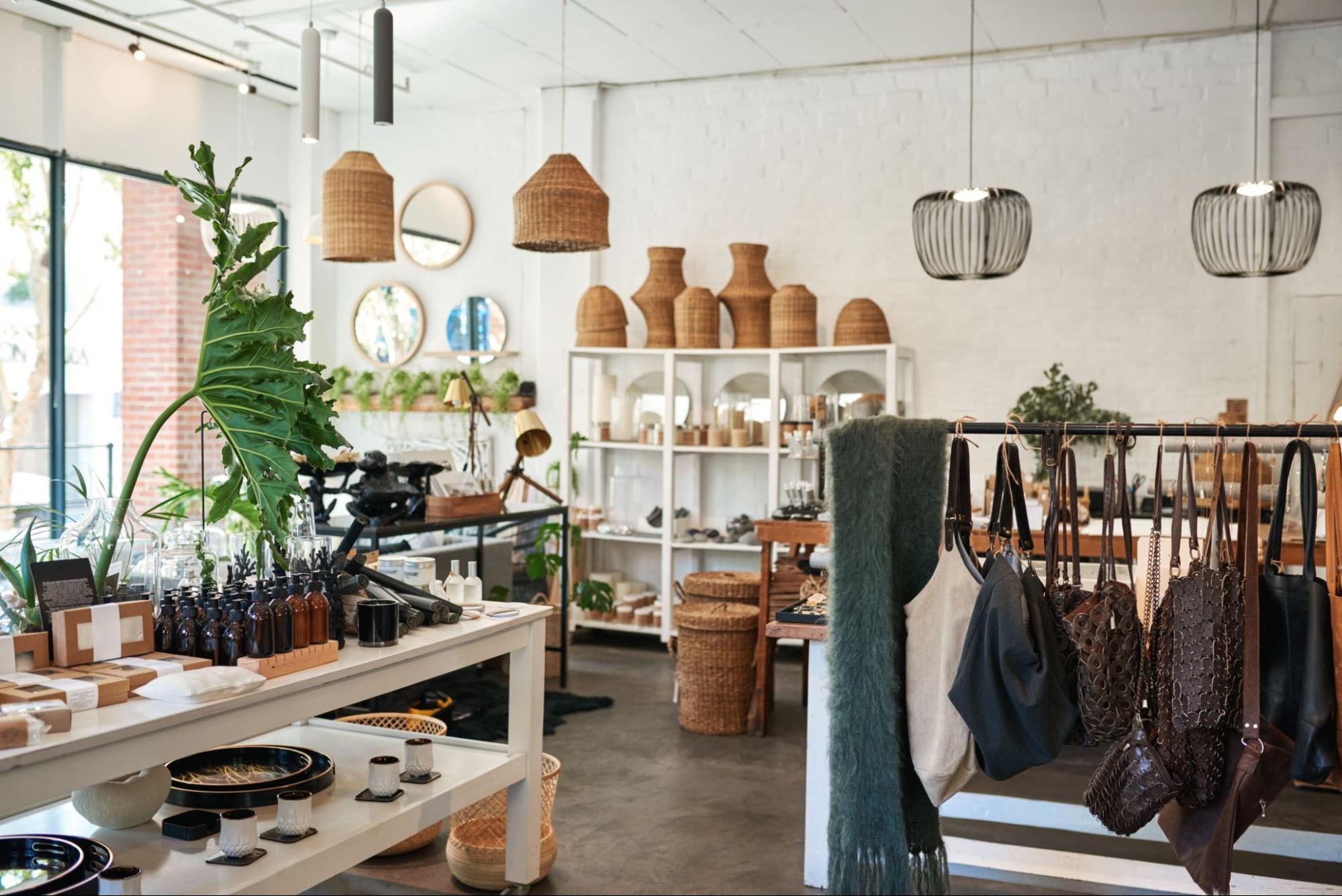
Retail stores consume significant energy due to continuous lighting, refrigeration, HVAC operation, and POS systems. These factors can quickly drive up utility costs.
The energy management tips for retail stores below cover quick wins that may pay off this month, mid-cost upgrades worth budgeting for, and longer-term moves that can reshape your retail utility costs over time.
Why Energy Management Matters for Retail Stores
Energy affects every part of your store. It keeps the space comfortable, help products stay fresh, and makes displays look their best. Managing your energy use helps make the store better for everyone who visits.
Common Retail Energy Cost Drivers
Most of a retail store’s energy bill comes from lighting, HVAC, and refrigeration. Display equipment, signage, and POS systems use the rest. According to the EIA, retail buildings (excluding malls) average about 64.1 MBtu per square foot, with space heating accounting for the most energy use.
How Energy Efficiency Supports Margins and Customer Experience
Reducing wasted energy can really improve your store’s atmosphere. Good lighting makes displays stand out, and keeping the temperature comfortable encourages shoppers to stay longer.
Maintained equipment reduces the risk of breakdowns that disrupt business. Strong energy efficiency lowers costs and may improve the overall shopping experience.
Your Power, Your Terms
Pick from short-term or long-term plans to enjoy maximum flexibility. You call the shots!
Start With a Retail Energy Audit
Before you can make any energy improvements, you need a clear picture of where your energy is being wasted. That’s where an energy audit comes in. Here’s what you can do:
Review Utility Bills and Usage Patterns
Take at least a year’s worth of utility bills and look for trends. Are costs higher in the summer or around the holidays? Is the HVAC running after the store closes?
Identify High-Use Areas Across the Store
Walk through your store and list all equipment that uses a lot of energy, such as HVAC, lighting, refrigeration, signage, displays, and office gear. Rank them by how much and how long they run. This list will help you see which changes will make the biggest difference.
Quick Energy-Saving Tips for Retail Stores
Some of the best energy-saving tips for retail stores cost nothing and can be done right away. Try the four tips below, and you’ll probably notice savings on your next bill.
Upgrade to LED Lighting
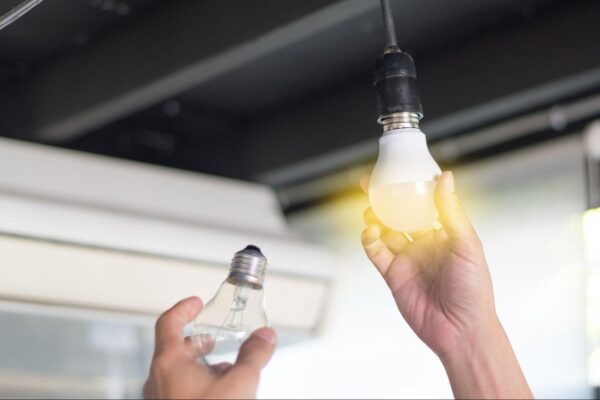
LED lights use much less electricity than fluorescent or halogen bulbs. Since store lights are on all day, you’ll see savings quickly. Most fixtures can use LED bulbs without any rewiring, so installation is simple.
Use Lighting Controls and Occupancy Sensors
Put motion sensors in places where people often forget to turn off the lights, like storage rooms or restrooms. For outdoor signs and parking lot lights, timers or dimmers can help cut down on wasted energy. Set it up once, and you won’t have to worry about it again.
Adjust Thermostats for Business Hours
Don’t heat or cool your store when it’s empty at night. Lowering the thermostat after hours cuts HVAC use. Even a small change during business hours can help, and most customers won’t notice a slight difference.
Turn Off Unused Displays, POS Devices, and Office Equipment
Displays, monitors, and POS systems use power even when not in use. Make it a habit to turn off unused equipment at closing. Printers, computers, and accessories should be set to sleep mode at the end of the day. Learn more about which “energy vampires” to look out for.
Improve HVAC Efficiency Without Losing Comfort
Heating and cooling can raise costs in a store, especially with customers coming and going all day. The goal is to keep everyone comfortable while saving energy. Small changes, such as fixing drafts or adjusting the thermostat, can lower your energy bill without making the store less pleasant for shoppers or staff.
Maintain Heating and Cooling Systems
Make sure someone checks the HVAC filters often, since dust builds up fast in a busy store. It’s also a good idea to have a professional look things over each season to catch problems early and keep everything working smoothly.
Seal Doors, Windows, and Entryways
Watch for drafts around doors and windows, especially where customers and deliveries come in. Simple fixes like weatherstripping, air curtains, or just tightening up a loose door can help keep warm or cool air inside and make your store more comfortable.
Use Programmable or Smart Thermostats
Set your thermostat to match when people are actually in the store. If you use a smart thermostat, it can handle the adjustments for you, so you don’t have to remember to turn things up or down at opening or closing time.
Manage Lighting for Displays, Signage, and Stockrooms
Good lighting helps sell products, but it also increases your energy bill. Focus bright lights where customers notice, and use less energy in other areas. If done right, you’ll save money without changing how your store looks to shoppers.
Balance Merchandising Needs With Energy Efficiency
Use bright lights only where you want to draw attention, such as the front window or special displays. In aisles or back rooms, use lower-watt bulbs or sensors so lights are not always on. You can also adjust light color to highlight products without increasing your energy bill.
Reduce After-Hours Lighting Waste
After closing, only a few lights need to stay on for security. Use timers to lower lighting overnight and daylight sensors for exterior signs. Walk through the store after closing to turn off any lights left on by mistake. This only takes a few minutes.
Reduce Energy Waste From Retail Equipment
Besides lighting and HVAC, store equipment also uses a lot of energy, though it’s easy to overlook. Focused energy conservation in retail equipment means starting with the categories that run the most hours.
Refrigeration and Food Retail Considerations
If your store uses refrigerated cases, that’s likely your biggest source of energy use. Make sure door gaskets are sealing well, clean the coils now and then, and keep cases fully stocked if possible. Refrigerators run more efficiently that way. When it’s time to replace a case, look for an efficient model. This can cut costs in the long run.
Office Equipment, Security Systems, and Standby Power
At closing time, turn off computers, printers, and anything else you don’t need overnight. If you use a power strip, you can switch everything off in one go. Security cameras and alarms need to stay on, but most other equipment can be powered down until morning.
Smart Power Strips and Equipment Scheduling
Try plugging things like coffee makers or display screens into smart power strips or timers. That way, they’ll turn off on their own when the store is closed, so you don’t have to remind anyone at the end of the day.
Train Employees on Energy-Saving Habits
Some of the most effective retail energy management tips for retail stores are people-focused. Show everyone can adopt a few simple habits, like flipping off lights when they’re not needed or checking for open doors. When the whole team’s on board, those small actions can make a real difference.
- Create Opening and Closing Energy Checklists: Just make a quick checklist for your team. Write down what to turn on in the morning, what to shut down at night. Post it where people won’t miss it. That way, nothing gets forgotten.
- Assign an Energy Champion or Team Lead: Pick someone for each shift to monitor energy-saving habits. It doesn’t need to be a fancy role. They can remind the team about drafts or equipment left running. A quick thank-you or shout-out goes a long way to keep everyone on board.
Use Energy Data to Make Smarter Business Decisions
Many retailers don’t use the energy data their utility provides, even though it’s easy to access online or by request. Reviewing this data helps you spot waste and decide where to make improvements.
Track Peak Demand and Seasonal Usage
Some energy companies bill you extra if you use a lot of power all at once. Take a look at when your store’s using the most energy, like during the holidays or during heat waves, and see if you can spread things out or cut back a little. Big spikes usually come from things like running all the lights or cranking up the AC at the same time.
Compare Store Locations or Departments
If you have more than one store, compare their energy use. Stores that use much more energy often have a fixable problem, like old HVAC, poor lighting, or missed closing routines.
Know When to Revisit Your Commercial Energy Plan
After you’ve made changes to lower your energy use and reduce retail energy costs, your usage pattern will change. This is a good time to review and compare commercial energy plans, since your old plan may no longer be the best fit.
Long-Term Energy Management Upgrades for Retailers
Once you’ve made smaller changes, bigger projects can save the most money over time, even if they cost more at first. Many of these upgrades qualify for rebates, tax breaks, or financing to help with the upfront cost.
Energy-Saving Appliances and Equipment
When you need to swap out a fridge, HVAC, or any major equipment, look for models that use less power even if they cost a bit more upfront. They’ll save you money on your bills in the long run, so it’s worth thinking about the total cost, not just the sticker price.
Building Insulation and Window Treatments
Adding insulation or window film can help keep the store comfortable and cut down on heating and cooling bills. If you have a lot of big windows, putting film on them can make a noticeable difference. Even adding a bit more insulation in storage areas can help you save over time.
Renewable Energy and Sustainability Options
Thinking about going solar? Putting up a few panels or asking your energy company about green options can make a difference. It doesn’t have to be all or nothing. Do what you can to show your business cares about the planet.
Your Power, Your Terms
Pick from short-term or long-term plans to enjoy maximum flexibility. You call the shots!
Retail Energy Use FAQs
In most stores, lighting and heating or cooling account for the largest share of energy use. If you sell food, refrigeration can be a big part too. Things like computers and checkout equipment add to the mix. How much each uses depends on your store’s size, location, and how long you’re open.
If you want to cut energy costs fast, try swapping in LED bulbs, setting your thermostat to match your hours, adding motion sensors where you don’t need lights on all the time, and making sure displays get turned off at closing. These changes are easy to do, and you’ll should see the savings right away.
Yes, in nearly every case. Retail spaces run lights for long hours every day, which shortens the payback period for LED upgrades compared to most other settings. LEDs also run cooler, reducing the HVAC load in summer.
Take a look at your energy use every month when you get your bill. It’s the best way to identify anything odd. Every few months, dig a little deeper to see if there are seasonal changes. If you’ve changed your store setup or got new equipment, it’s smart to do a full review once a year or so.
Yes. Your contract determines the rate per kilowatt-hour, the contract length, and any demand fees, and a plan that fits your actual usage keeps costs predictable. After you’ve cut waste and tracked your patterns, that’s the right time to compare options.
How Just Energy Supports Commercial Energy Needs
Commercial energy management is about making smart choices to lower your business’s energy use and costs. Just Energy works with businesses to give tailored quotes, flexible contract options, and support for renewable energy. Putting these strategies into practice can help you manage usage, and Just Energy can assist you in finding a plan that fits your goals.
Brought to you by justenergy.com
All images licensed from Adobe Stock.