

Gasification is a process that has gained increasing interest and importance in recent years as a clean and efficient energy solution. It involves converting solid carbon-based materials, such as biomass, coal, or waste materials, into a gaseous fuel known as syngas. This syngas can then be used for various applications, including electricity generation, heating, and the production of valuable chemicals.
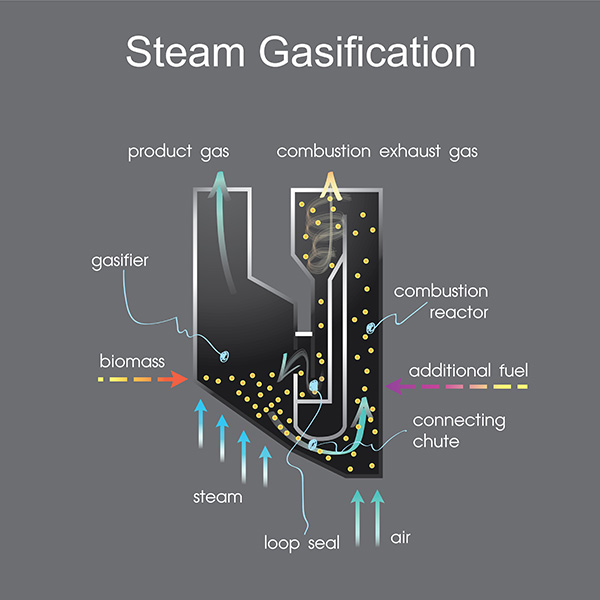
At its core, gasificationv is a thermochemical process that utilizes high temperatures, limited oxygen supply, and sometimes steam to convert the feedstock into a combustible gas. The process takes place inside a gasifier, which can come in different designs depending on the specific application and feedstock used.
One of the significant advantages of gasification is its ability to utilize a wide range of feedstocks, including agricultural residues, forestry waste, municipal solid waste, coal, and even plastics. This flexibility allows gasification to play a vital role in waste management and the transition to a more sustainable energy system.
Gasification offers several environmental benefits compared to traditional combustion technologies. Since gasification occurs in a low-oxygen environment, it significantly reduces the production of harmful pollutants like sulfur dioxide, nitrogen oxides, and particulate matter. This makes gasification a cleaner alternative for power generation and industrial processes, contributing to improved air quality and reduced greenhouse gas emissions.
Furthermore, gasification can be integrated with various complementary technologies to enhance its sustainability and efficiency. For example, combined heat and power (CHP) systems can capture waste heat from the gasification process and utilize it for district heating or other industrial processes. The integration of gasification with carbon capture and storage (CCS) technologies allows for the potential capture and storage of carbon emissions, further minimizing the environmental footprint.
In addition to its environmental benefits, gasification also offers economic advantages. The syngas produced during gasification can be harnessed as a versatile fuel, suitable for a wide range of applications. It can be used in gas turbines to generate electricity, in fuel cells for efficient power production, or as a feedstock for the synthesis of valuable chemical compounds. This versatility opens up opportunities for revenue generation and resource optimization. Gasification can also provide economic benefits by reducing dependence on fossil fuels and creating opportunities for local energy production and job creation.
It is worth noting that while gasification offers numerous advantages, there are also challenges that need to be addressed. The capital cost of gasification plants can be significant, requiring large initial investments. The process also requires careful feedstock selection and preparation to ensure optimal performance and prevent issues such as tar formation. Furthermore, the proper handling and disposal of by-products and ash generated during gasification must be considered to ensure environmental sustainability.
In conclusion, gasification holds great promise as an environmentally friendly and economically viable energy solution. Its ability to convert a variety of feedstocks into a cleaner and more versatile syngas makes it a valuable technology in the fight against climate change and the transition to a low-carbon future. As research and development continue to advance, gasification is expected to play an increasingly significant role in our energy systems, contributing to a more sustainable and resilient world.
What Is Gasification?
Gasification is a versatile technology that can utilize various feedstocks, including agricultural residues, forestry waste, municipal solid waste, coal, and even plastics. The process takes place inside a gasifier, which can come in different designs depending on the specific application and feedstock used.
One of the significant advantages of gasification is its ability to significantly reduce greenhouse gas emissions. Since the gasification process occurs in a low-oxygen environment, it reduces the production of harmful pollutants like sulfur dioxide, nitrogen oxides, and particulate matter.
Gasification is a promising technology that can play a vital role in waste management and the transition to a more sustainable energy system. Despite the challenges and considerations, gasification is expected to grow in popularity and become an essential part of our energy systems in the future.
How Does Gasification Contribute to Waste Management?
Gasification plays a significant role in waste management by converting various waste materials into useful products, such as electricity, heat, or chemicals. Gasification eliminates the need for landfills and reduces the amount of waste in the environment. Gasification can accept many waste input streams ranging from municipal solid waste to industrial and medical waste, which makes it a versatile waste treatment technology 2.
Gasification presents a sustainable way to recover energy from waste. Rather than emitting the greenhouse gases, such as methane and carbon dioxide, that result from landfilling waste, gasification can effectively reduce these emissions by producing clean and reliable energy A study by the International Energy Agency (IEA) estimates the potential of gasification to reduce greenhouse gas emissions by up to 18 billion tons by 2050
One of the benefits of gasification compared to other waste management technologies is that the process produces significantly less waste and has higher energy conversion rates than other processes such as incineration. Additionally, gasification can produce by-products such as biochar and syngas, which can be useful products themselves
Overall, gasification is an essential part of the waste management industry. By effectively managing various waste streams and producing energy and valuable products, gasification offers a promising solution for the current waste management challenges.
What Role Does Gasification Play in the Hydrogen Economy?
Gasification plays a significant and multifaceted role in the hydrogen economy, which is characterized by the increased production, distribution, and utilization of hydrogen as a clean and versatile energy carrier. Here are several key roles that gasification plays in advancing the hydrogen economy:
- Hydrogen Production: Gasification can be used to produce hydrogen (H2) from a variety of feedstocks, including coal, biomass, and natural gas. This hydrogen can serve as a clean fuel for fuel cell vehicles, industrial processes, and power generation, supporting the growth of hydrogen as an energy source.
- Hydrogen Purity: Gasification can produce high-purity hydrogen, which is essential for many applications, including fuel cells and chemical processes. The syngas produced through gasification can be further processed to purify the hydrogen content.
- Integration with Carbon Capture: Gasification can be combined with carbon capture and storage (CCS) technologies to capture carbon dioxide (CO2) emissions from hydrogen production. This is crucial for mitigating greenhouse gas emissions associated with hydrogen production from fossil fuels.
- Hydrogen as an Energy Carrier: Hydrogen produced through gasification can be used as an energy carrier, storing and transporting renewable energy from intermittent sources like wind and solar. It can be used to balance energy supply and demand and enhance grid stability.
- Green Hydrogen: Gasification can enable the production of “green hydrogen” when renewable feedstocks, such as biomass or organic waste, are used. Green hydrogen is produced using renewable energy sources and has a low carbon footprint, making it a sustainable fuel.
- Hydrogen Storage: Hydrogen produced from gasification can be stored for later use, offering a solution to store excess renewable energy and release it when needed, thus contributing to a more reliable and resilient energy system.
- Industrial Hydrogen: Gasification can supply hydrogen for various industrial processes, including the production of chemicals, refining, and metallurgy, where hydrogen serves as a crucial feedstock or reducing agent.
- Hydrogen Infrastructure: Gasification facilities can be integrated into existing hydrogen infrastructure, such as pipelines and storage facilities, supporting the expansion of hydrogen distribution networks.
- Hydrogen Blending: Hydrogen produced through gasification can be blended with natural gas to create “hydrogen-enriched natural gas,” reducing the carbon intensity of natural gas and enabling a gradual transition to cleaner energy sources.
In summary, gasification is a pivotal technology that contributes to the hydrogen economy by enabling hydrogen production, ensuring its purity, and providing solutions for carbon capture and storage. As the world shifts toward cleaner and more sustainable energy systems, gasification plays a vital role in advancing the use of hydrogen as a clean and versatile energy carrier.
What Role Does Gasification Play in the Hydrogen Economy?
Gasification plays a crucial role in the hydrogen economy by enabling the production of hydrogen (H2), a clean and versatile energy carrier. Here are several key roles that gasification plays in advancing the hydrogen economy:
- Hydrogen Production: Gasification can convert a wide range of feedstocks, including coal, biomass, and waste materials, into syngas (a mixture of hydrogen and carbon monoxide). This syngas can then be further processed to separate and purify the hydrogen, making it suitable for various applications.
- Hydrogen Purity: Gasification can produce high-purity hydrogen, which is essential for many hydrogen applications, including fuel cells. The syngas generated through gasification can undergo purification steps to remove impurities and ensure hydrogen quality.
- Diverse Feedstock Sources: Gasification’s flexibility allows for the use of various feedstocks, including renewable sources like biomass and waste materials. This promotes the production of “green hydrogen” when renewable feedstocks are used, aligning with sustainability and carbon reduction goals.
- Carbon Capture and Utilization (CCU): Gasification can integrate carbon capture and utilization (CCU) technologies to capture and store carbon dioxide (CO2) emissions generated during the hydrogen production process. This reduces the carbon footprint of hydrogen production, supporting emissions reduction targets.
- Energy Storage: Hydrogen produced through gasification can serve as a means of energy storage. Excess renewable energy, such as wind or solar power, can be used to produce hydrogen during periods of surplus energy, which can then be stored and used during periods of high demand or when renewable energy generation is low.
- Transport and Distribution: Hydrogen produced via gasification can be transported and distributed through existing infrastructure, including pipelines and compressed hydrogen gas tanks. This infrastructure supports the deployment of hydrogen as a clean fuel for various applications, such as fuel cell vehicles.
- Industrial Hydrogen: Gasification provides a source of hydrogen for industrial applications, including the production of chemicals, petroleum refining, and metal processing. These industries rely on hydrogen as a crucial feedstock and reducing agent.
- Hydrogen Blending: Hydrogen produced through gasification can be blended with natural gas, creating “hydrogen-enriched natural gas.” This blended fuel has a lower carbon intensity than pure natural gas, making it a transitional solution for reducing emissions in existing natural gas infrastructure.
Overall, gasification technology contributes to the hydrogen economy by facilitating the production, purification, and distribution of hydrogen from a variety of feedstocks. As the world transitions to cleaner and more sustainable energy systems, gasification plays a pivotal role in enabling the use of hydrogen as a clean and efficient energy carrier.

Can Gasification Be Used in Industrial Processes?
Yes, gasification can be and is commonly used in industrial processes. Gasification technology offers several advantages for various industrial applications, including:
- Heat and Power Generation: Gasification can provide a reliable source of heat and power for industrial facilities. The syngas produced can be used in gas turbines, steam boilers, or combined heat and power (CHP) systems to generate electricity and provide process heat, reducing reliance on fossil fuels and lowering greenhouse gas emissions.
- Chemical Production: Gasification can serve as a feedstock for chemical production. The syngas produced can be converted into various chemicals and intermediates, such as methanol, ammonia, and synthetic natural gas (SNG). This supports the manufacturing of essential industrial chemicals.
- Metallurgy: Gasification can supply high-temperature syngas for metal smelting and refining processes. It can serve as a reducing agent in metallurgical operations, facilitating the extraction of metals from ores.
- Glass and Ceramic Manufacturing: Gasification can provide the high temperatures required for glass and ceramic production. The clean-burning characteristics of syngas reduce emissions and contribute to product quality.
- Pulp and Paper Industry: Syngas produced through gasification can replace or supplement traditional fossil fuels in pulp and paper mills, reducing emissions and energy costs. It can be used in drying processes and for steam generation.
- Food Processing: Gasification can supply process heat for food processing facilities, supporting cooking, drying, and other thermal processes while minimizing environmental impact.
- Textile Industry: Industrial gasification can offer efficient and sustainable energy sources for textile manufacturing processes, such as dyeing and drying.
- Cement Production: Gasification can provide high-temperature heat for cement production, which is energy-intensive. This helps reduce greenhouse gas emissions associated with cement manufacturing.
- Refining and Petrochemicals: Gasification can be used in petroleum refining processes to produce hydrogen-rich syngas for hydrotreating and other refining operations. It can also serve as a source of hydrogen for various petrochemical processes.
- Environmental Control: In some cases, gasification can be employed for environmental control purposes, such as the treatment of hazardous waste materials or the destruction of pollutants.
The versatility of gasification technology makes it suitable for a wide range of industrial processes. Its ability to utilize various feedstocks, produce syngas at high temperatures, and reduce emissions makes it an attractive option for industries looking to improve efficiency, reduce environmental impact, and achieve sustainability goals.
What Are the Challenges Associated With Gasification?
Gasification is a promising technology with numerous benefits, but it also faces several challenges and obstacles that can impact its widespread adoption and efficiency. Some of the key challenges associated with gasification include:
- Feedstock Availability and Quality: The availability and consistency of feedstock can be a challenge. Ensuring a reliable and sustainable supply of feedstock, especially for biomass gasification, can be difficult. Variations in feedstock quality can affect gasification efficiency and product quality.
- Costs and Economics: Gasification projects often require significant capital investments, which can make them financially challenging. The costs associated with equipment, infrastructure, and operation must be carefully managed to ensure cost-effectiveness and competitiveness with other energy sources.
- Process Efficiency: Achieving high gasification efficiency can be challenging. Variations in feedstock composition, gasifier design, and operational factors can affect overall efficiency, including the conversion of feedstock into syngas.
- Environmental Concerns: While gasification is generally considered environmentally friendly compared to combustion, there can still be environmental challenges. For example, gasifiers may emit trace pollutants, and the management of waste streams, such as ash and tar, can be environmentally sensitive.
- Scale-Up Challenges: Scaling up gasification processes from laboratory or pilot-scale to commercial-scale can be complex. Ensuring consistent performance, reliability, and safety at larger scales is essential.
- Gas Cleanup: Syngas produced through gasification often requires extensive cleaning to remove impurities like sulfur compounds, particulate matter, and tars. Gas cleanup processes can be energy-intensive and costly.
- Carbon Capture and Storage (CCS): Integrating CCS technologies to capture and store carbon dioxide (CO2) emissions from gasification can be technically challenging and add costs to the process.
- Regulatory and Permitting Hurdles: Gasification projects may face regulatory and permitting challenges, which can vary by region and jurisdiction. Obtaining necessary permits for emissions, waste disposal, and land use can be time-consuming.
- Technological Maturity: While gasification is a well-established technology, some advanced gasification processes and applications are still in the development and demonstration stages. Ensuring the reliability and scalability of these newer technologies can be a challenge.
- Public Perception and Acceptance: Gasification projects can face public opposition and skepticism, particularly if they are located near populated areas. Public perception and acceptance can influence project approval and community support.
- Competition with Other Technologies: Gasification competes with other energy and waste management technologies, and the choice of technology depends on factors like feedstock availability, cost, and environmental goals.
Despite these challenges, ongoing research and development efforts are focused on addressing these issues and improving the efficiency and sustainability of gasification technology. As the energy landscape evolves, gasification is expected to play a valuable role in providing clean energy solutions and addressing environmental concerns.
How Does Gasification Contribute to a Circular Economy?
Gasification contributes significantly to a circular economy by promoting resource efficiency, reducing waste, and enabling the sustainable use of resources. Here are ways in which gasification supports the principles of a circular economy:
- Waste-to-Energy Conversion: Gasification can convert a wide range of organic waste materials, including municipal solid waste (MSW) and industrial waste, into valuable products like syngas and heat. This reduces the volume of waste sent to landfills, extending the lifespan of landfills and minimizing the environmental impact of waste disposal.
- Biomass Utilization: Gasification of biomass, including agricultural residues and forestry byproducts, allows for the efficient utilization of organic materials that might otherwise be discarded or left to decompose, releasing greenhouse gases.
- Waste Biomass Valorization: Gasification enables the conversion of low-value or waste biomass, such as agricultural and forestry residues, into bioenergy, biofuels, and other bio-based products, thus extracting value from materials that would otherwise go unused.
- Closed-Loop Energy Systems: By converting waste materials and biomass into energy and valuable products, gasification supports closed-loop energy systems where resources are continuously reused and recycled, reducing the need for new raw materials.
- Carbon Capture and Utilization (CCU): Gasification can integrate carbon capture and utilization (CCU) technologies to capture and utilize carbon dioxide (CO2) emissions, further reducing the carbon footprint of the overall process.
- Integration with Recycling: In some cases, gasification can complement recycling efforts by processing materials that are not easily recyclable, ensuring a more comprehensive approach to waste management.
- Production of Chemicals and Fuels: Gasification can produce syngas that serves as a feedstock for the production of chemicals, synthetic fuels, and other valuable materials, supporting the circular economy by reducing the reliance on fossil-based feedstocks.
- Biochar Production: In certain gasification processes, biochar, a stable form of carbon, can be produced as a co-product. Biochar can be used as a soil conditioner to improve agricultural productivity and carbon sequestration, further contributing to circular and sustainable agriculture.
- Resource Conservation: Gasification extracts the maximum value from carbon-rich materials, conserving resources and reducing the need for virgin materials extraction.
- Renewable Energy Generation: Gasification of renewable feedstocks, such as biomass and waste, produces clean energy, contributing to a shift away from fossil fuels and toward a more sustainable energy system.
Overall, gasification plays a crucial role in closing the loop of resource utilization by efficiently converting waste and low-value materials into valuable products and energy. This aligns with the principles of a circular economy, which seeks to minimize waste, reduce environmental impact, and maximize resource efficiency.
Gasification stands as a powerful and transformative technology that holds the key to a more sustainable and circular economy. Its ability to convert a diverse range of feedstocks, from waste materials to biomass, into valuable energy, fuels, and chemicals is nothing short of remarkable. Gasification not only reduces waste and environmental impact but also contributes to efficient resource utilization and cleaner energy production.
As we face pressing global challenges such as climate change and resource scarcity, gasification emerges as a beacon of hope. It bridges the gap between our reliance on traditional fossil fuels and the promise of renewable, low-carbon energy systems. By turning waste into energy and capturing carbon emissions, gasification is at the forefront of the battle against greenhouse gases.
Furthermore, gasification’s versatility extends beyond power generation, encompassing industries such as chemicals, agriculture, and transportation. Its contributions to a circular economy, where resources are reused and recycled, cannot be overstated.
With ongoing advancements and research, gasification continues to evolve, addressing challenges and unlocking new possibilities. As we look to the future, gasification remains a vital tool in our journey toward a cleaner, more sustainable, and circular world, where waste becomes a resource and environmental responsibility becomes a shared commitment.
Brought to you by justenergy.com
All images licensed from Adobe Stock.