

hen you purchase a new home in Texas, some lenders will require a home inspection to ensure their assets are protected. These home inspections are not always required, though, and no Texas law exists making them compulsory. Even when you’re not required to get a home inspection, it’s a great idea to do so, as they can uncover hidden and costly problems now and in the future.
Continue reading to learn more about home inspections in Texas, what they do and don’t include, and why they’re so important.
What Are the Most Common Home Inspections?
When purchasing a home, it’s extremely important to get a home inspection to ensure there are no hidden issues that could require big repairs after the purchase. A home inspection also protects the lender if you get a mortgage, as it ensures the home is structurally sound, which lets the lender know the collateral on the loan is safe.
But what do most home inspections include? You can generally expect a Texas home inspector to check potentially costly items, such as the:
- Foundation
- Interior and exterior structural components
- Roof
- Heating, ventilation, and air-conditioning (HVAC) systems
- Plumbing
- Electrical systems
- Insulation
- Fireplaces and chimneys
How Much Does a Home Inspection Cost?
A home inspection’s cost will vary based on a range of factors, including the size and type of the home and the inspection company’s going rate per square foot. On average, a general home inspection from a certified home inspector in Texas runs between $375 and $475. You can also get specialized inspections that are more in-depth checks in specific areas of the home, such as the HVAC system, foundation, or roof.
Is an Inspection a Good Idea on a Home?

Yes, an inspection is a great idea for any home you’re considering purchasing. It allows you to identify any potential issues that could arise soon after purchasing the home and drain your bank account. It also allows you to back out of a purchase if the inspection uncovers something serious that you prefer not to deal with down the line.
For example, the current owner may be unaware of a weak foundation that could lead to major issues in the future. If the inspection uncovers this issue, you can either back out of the purchase altogether, request the seller repair it before purchasing the real estate, or knock the estimated repair costs off the home’s price.
What Are Red Flags in a Home Inspection?
There’s a wide range of potential red flags to look out for in a home inspection report. Some may be very obvious, but others might surprise you. Let’s review some red flags to be on the lookout for.
Big-Ticket Items
Watch out for items that can break the bank down the road. This includes the costliest home repairs, including HVAC system repairs or an aging roof. These can put a big dent in your bank account early into home ownership and may make it difficult to afford the mortgage and complete the repairs.
Structural Issues
Structural issues are something to pay close attention to, as these can greatly impact the longevity of your new home. A key indicator of potential structural issues is a cracked or crumbling foundation, which can be rather costly.
Another structural issue to look out for is termite damage. Whether the infestation is active or happened in the past, a termite inspection can review the damage done and determine whether or not it impacts the home’s future structural integrity.
Find out why over a million customers trust Just Energy!
Mold and Mildew
Mold can be a serious issue in a home. First, it can cause structural issues if left untreated. Second, many people are highly allergic to mold, and exposure to mold in a home can lead to prolonged respiratory issues for them.
Mold and mildew are also signs that there may be leaks in the home’s pipes, which can cause even more problems over time — even after repairing the mold.
Outdated Electrical Systems
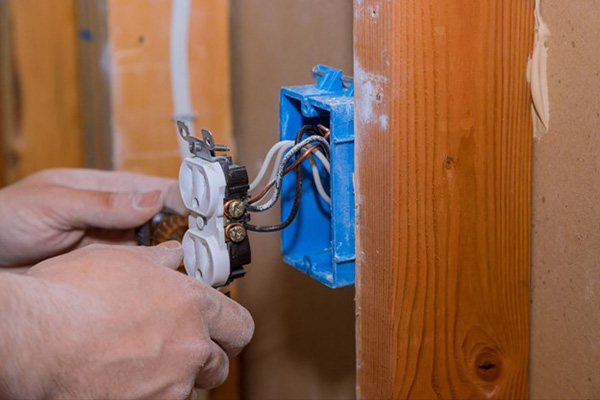
Electrical codes are constantly being updated to ensure homes are safe for years to come. If you’re considering purchasing an older home, its electrical system may no longer meet minimum requirements. If an inspector flags an outdated electrical system, it can cost thousands of dollars to rewire the home. This is a major red flag, so you may want to discuss making repairs with the seller before you agree to purchase the home.
What Are the Most Important Things to Look for When Buying a House?
When buying a new or pre-owned home, there’s no shortage of things to look out for. However, some aspects of the home are far more important than others. Let’s review the six most important things to look for in the home-buying process.
1. Price
Of course, the home purchase price is one of the first things to consider when buying a house. Not only does this price need to be in your budget, but you’ll also want to consider any potential problems or existing issues the inspection process uncovers. These problems can eat into your monthly budget and make affording the mortgage payment difficult.
2. Home Type
You also need to make sure the home aligns with your family’s needs. If you’ve grown tired of living on top of neighbors in a townhome or apartment, for example, a single-family home is a must. Make sure your potential new home has the right number of bedrooms and bathrooms for your comfort. Also consider other amenities, such as a great kitchen, a pool, a three-car garage, and whatever your non-negotiable features might be.
If you’re handling the home search yourself, this is relatively simple to control — you can make sure you only see homes that meet your criteria. When working with a real estate agent, you’ll want to be crystal clear about what is a priority in your new home and what is negotiable so the agent can find only houses that meet your needs.
3. Location
Location is another huge factor in the home-buying process. Ensure that your potential new home is in a setting you prefer, such as rural, suburb, or urban. You also want to consider what stores are nearby, the school district (if you have school-age children or plan on having kids), property taxes in that area, proximity to hospitals and fire stations, and more.
4. Home Size
The number of rooms is a great place to start, as mentioned earlier, but you’ll also want to consider the home’s overall square footage. For example, squeezing four bedrooms into just 1,000 square feet will likely leave little room for entertaining in common areas.
Don’t forget about the lot the home is on, as well. If you want a house with ample yard space, room for a patio or pool, or good land for gardening, be sure to factor those into your search criteria.
5. Home Condition
The home’s condition is another huge issue, as poor maintenance in a home can lead to numerous problems that can bust your budget down the road. This is where hiring a high-quality licensed home inspector really helps. They have the experience needed to find the easy-to-spot issues and those more complex, hidden issues — the ones that can become major problems later.
Some areas a quality home inspection will check out include the:
- Roof: Home inspections will include checking for leaks and structural issues, such as rotten or damaged roof trusses, that can cause immediate or future problems.
- Foundation: The home inspection checklist will include checking the foundation for cracking, crumbling, and other structural issues. During the professional home inspection, the inspector will also check the ground the home sits on for sinkholes and other potential issues.
- Plumbing: A home inspection service will also check all the plumbing inside and outside the home for leaks. Leaks not only waste water, but water damage can also impact the home’s structural integrity if it causes rot in the wood used to build the home. The inspector will also check the water heater to ensure it functions correctly and is not outdated.
- Electrical: Most home inspections will also include a full electrical system review. The inspector’s detailed report will outline any wiring problems, code violations, or outdated systems that need replacing.
- Heating, ventilation, and air-conditioning (HVAC) systems: The HVAC system is one of the biggest draws on a home’s electrical system, especially in southern states such as Florida, Georgia, and Texas. A professional home inspector will examine the HVAC system for efficiency and malfunctions to ensure you know what you’re purchasing will work at peak efficiency for years to come.
- Windows: A property inspection also generally includes a review of the windows in the home. In a thorough inspection, the home inspector will determine the types of windows in the home and verify that they are up to code. The former can help you figure out if they’re high-efficiency windows or outdated ones. Outdated windows may lead to even more energy consumption.
6. Radon and mold
Radon is a natural, odorless, radioactive gas that can lead to lung cancer. Its concentrations are relatively low in Texas compared to other parts of the country, but it can still exceed the EPA limit in a home in the Lone Star State. Radon testing isn’t always included in Texas home inspections, but you may be able to add it on.
Another important test that’s not generally included in a home inspection is one for mold. Most home inspectors actually have exclusion clauses in their inspection reports stating they do not check for mold. Because of this, you’ll want to hire a mold specialist, as this fungus can cause damage to the home’s structure and result in illness — particularly for those with upper respiratory issues and mold allergies.
Home Inspections Can Save Cash Now and in the Future

While it may seem costly to have someone come in and inspect a prospective home for upward of $475, it’s well worth it in the long run. As mentioned above, a home inspection can help you save big money on hidden repairs shortly after buying the home or a few years later. It can also save you money by finding inefficiencies, such as an outdated HVAC system or drafty windows, that you can negotiate into the sale ahead of time.
After buying that new home, you can further enhance your savings by choosing an energy provider that offers the best rates in the area. Just Energy can help with this, as we have numerous cost-saving energy programs available. Check out all our energy programs and choose the best one for you.
Brought to you by justenergy.com
All images licensed from Adobe Stock.