

Solar panels are becoming an increasingly popular source of clean and renewable energy. As the world continues to combat climate change fueled by greenhouse gas (GHG) emissions, more people are shifting toward sustainable solutions.
But how do solar panels work? In this comprehensive guide, we’ll explore the basics of solar panels, whether tax credits are still available, costs, and more.
How Solar Panels Work
Solar panels generate electricity through the photovoltaic effect. Each panel has photovoltaic (PV) cells made of semiconductor material, usually silicon, arranged in positively and negatively charged layers. When photons from sunlight strike these cells, they knock electrons loose from their atoms, creating an electric field and setting electrons flowing in one direction. The moving electrons complete a circuit and produce direct current (DC) electricity.
Because homes and businesses run on alternating current (AC), the DC power passes through an inverter, which rapidly switches the current’s direction and converts it into usable AC electricity. The power is then ready to use in your home.
What Are Solar Panels Made Of?
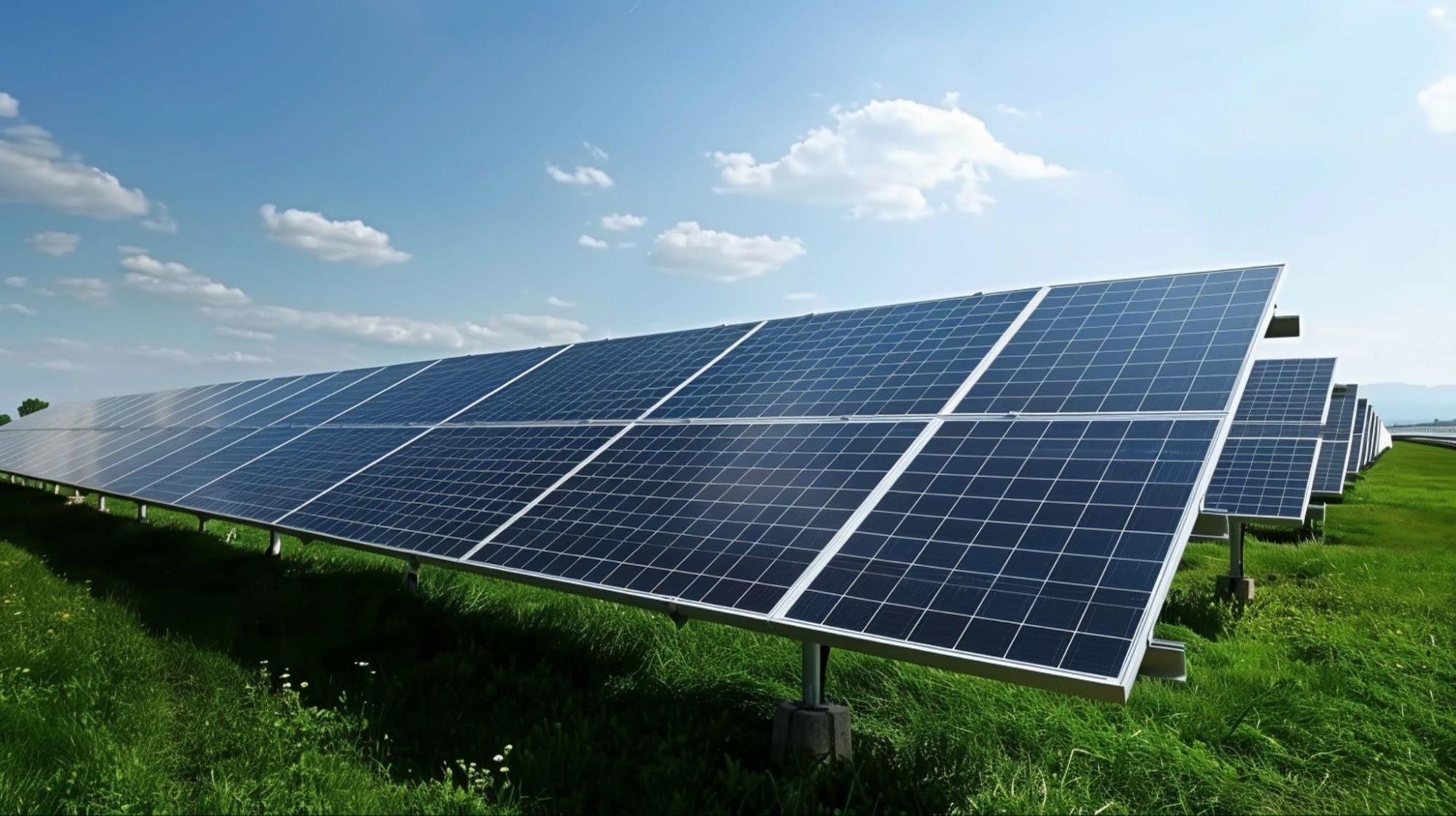
Solar panels have several crucial components. The most fundamental component is the photovoltaic cell, which uses sunlight’s photons to generate electricity. These cells sit in an encapsulant, a protective layer. The cells are generally sandwiched between a glass cover and a back sheet for structural support.
The PV cell comprises layers of semiconductor materials — 90 to 95% of solar panels use silicon as their semiconductor — specially treated to create an electric field.
Solar panels (also called PV panels) also feature an aluminum or stainless steel frame to ensure durability and stability. This frame protects the delicate components inside and makes it easy to install and mount solar systems on various surfaces, such as rooftops or ground-mounted structures.
Solar Panel Size and Energy Output
The standard residential solar panel size is 65 inches by 39 inches, has 72 cells, and generates between 250 and 400 watts of electricity. Some of the most efficient panels have a power output of up to 445 watts each.
Some manufacturers may produce residential panels with slight variations in size, but most adhere to the above dimensions.
Find out why over a million customers trust Just Energy!
What to Consider if You’re Exploring Solar Panels for Your Home
If you’re exploring installing solar panels in your home, consider these factors when choosing a company:
Solar provider reputation and reviews: Check out a company’s online reputation and track record. Dig into online reviews, customer testimonials, and industry certifications to ensure you choose a reliable and trustworthy provider.
Lease terms and conditions: Ask all potential lease companies for copies of their lease terms and conditions and review them thoroughly. Focus on lease duration, monthly payments, and any escalator clauses that can increase lease payments. Also, check for any early-termination terms in case your situation changes in the future.
Solar system’s expected performance and warranty: Check with each potential solar lease company about the solar system’s expected performance and the warranty. Reputable providers will guarantee the system’s energy production and provide coverage for any potential issues or malfunctions.
How to Know if Solar Panels Are Right for Your Home
The best way to know if you can benefit from having solar panels in your home is to check your electricity consumption, your roof’s remaining life expectancy, and the direction your roof faces.
You’ll want to review your electricity bills from the last 12 months to see whether your usage exceeds the average of 1,096 kWh per month.[1] South-facing roofs also receive the most direct sunlight and may benefit the most from solar panels, but you could also see savings with west- and east-facing roofs.
Moreover, your roof should have at least 10 years of life left. If yours is more than 15 years old, consider replacing it before installing solar panels.
Navigating a Solar Panel Lease
A solar panel lease is an agreement between a homeowner and a solar leasing company. This agreement allows the homeowner to use the solar energy system for a fixed period (typically 20 years).
During the lease period, the solar provider handles the solar panel installation and maintenance, and the homeowner enjoys benefits, such as clean energy generated, reduced utility bills, and energy independence.
In return, the homeowner pays a monthly lease fee. This fee is generally lower than their current electricity bill, so it’s a net financial benefit for the homeowner.
Pros and Cons
Here are some of the advantages and disadvantages of a solar panel lease.
Pros
- Lower upfront costs: The solar leasing company covers the cost of purchasing and installing the solar panels.
- Immediate savings: The electricity the system produces powers the home, reducing or eliminating demand for grid electricity.
- Zero maintenance responsibilities: Maintenance and repairs are the solar provider’s responsibility.
- Transferability: In most cases, you can transfer a solar panel to a new homeowner.
- Long-term savings: Solar panel lease payments are generally lower than your electricity bill.
Cons
- Long-term commitment: A solar panel lease generally requires homeowners to enter into a long-term contract, often 20 years.
- Monthly payments: The homeowners must make monthly payments to the solar provider throughout the lease term.
- Limited control: The solar provider has the right to determine the type and placement of the solar panels, as well as the upgrades or modifications you’re eligible for throughout the lease term.
- Home resale: The lease terms can complicate the sale process if you sell your home, or rule out potential buyers who are not interested in a lease agreement.
Are There Tax Credits for Solar Panels?
No, there are no federal or Texas state tax credits for consumers for solar panels or solar panel leases. There used to be a federal tax credit worth up to 30% of the cost of installing solar panels, but it didn’t apply to leases, and it expired at the end of 2025.
However, a commercial solar tax credit is still available for leased solar panel systems installed before January 2028. The solar panel company benefits directly from the tax credit, but you may benefit indirectly if they pass some of the savings onto you through lower monthly rates.
What is the Average Cost for Solar Panels?
On the low end, solar panels cost around $3 per watt installed, but costs vary depending on the type of panel you choose. Factors such as the solar panel system size and the number of panels influence total costs the most. Other factors, such as installation complexity, also contribute to how much you ultimately pay.
Your Power, Your Terms
Pick from short-term or long-term plans to enjoy maximum flexibility. You call the shots!
Solar Panels and Electricity Plans
Solar panels and some electricity plans are compatible because many providers offer solar buyback programs. When your solar panels generate more electricity than your household needs, the excess power is sent back to the electrical grid. Energy providers can provide bill credits or other compensation for this excess energy.
Before installing solar panels, check with providers how they handle excess energy generated and if a solar-specific plan could increase your savings.
If you do have solar panels, consider Just Energy’s new fixed-rate solar energy plan, called the Solar Advantage Plan.
FAQs about Solar Panels
Yes, you can generally install solar panels on almost any kind of roof. But whether solar panels can be installed on your roof depends on its age, condition, and structural integrity. Some roofing materials, like slate and wood shake, require specialized installation that not all providers offer.
Yes, adding solar panels to your home will likely increase your homeowners insurance cost because they increase the risk of a claim for insurers and your insurance coverage amounts. How much your insurance increases varies widely — as little as $15 per month in some cases and as much as a few hundred dollars per month in others. Check with your insurer about how your premiums may change.
Texas’s abundant sunshine and high electricity costs mean that many homeowners can benefit from installing solar panels in their homes. It’s possible you can see long-term savings and a good return on investment. Talk to a solar energy provider and your energy company to see how much you might be able to save.
Homes with solar panels owned and paid off by the homeowner are usually a positive for prospective buyers and could make your home more attractive on the market.
On the other hand, leased panels may be a deterrent for some potential buyers because they have to assume your contract and monthly payment. This could decrease your pool of potential buyers and make your home harder to sell.