


It probably doesn’t feel like your country’s national security interests are at play when you start up your automobile for the daily commute or charge your cell phone.
But, like it or not, humans are addicted to the fossil fuels that power our vehicles, homes, and industries. In fact, fossil fuels account for 84.2% of our global energy needs.
What’s more, around 22% of the world’s undiscovered fossil fuels are in the Arctic. Considering all these factors, the scrabble for the world’s energy resources becomes clearer. Coal, natural gas, oil, and even water are all up for grabs, with the victors enjoying continued energy security.
Policymakers and politicians wish to win elections and keep their citizens safe. But it’s a global game with energy resources spread around the world. Geopolitics dramatically influences the energy sector.
Therefore, the impact of energy on national security and foreign policy is profound. Let’s explore the fascinating world of security risks and opportunities our energy technologies present.
Defining the Impact of Energy on National Security and Foreign Policy
National security is keeping a nation safe from threats like terrorists, spies, famine, and war. It also means securing a stable energy supply affordable for a country’s citizens. Foreign policy is how a government interacts with other states.
Tie those together, and we see that international security is, in many ways, underpinned by energy security, and, ergo, U.S. national security. Countries aim for one of two scenarios: energy independence and energy security.
What Is Energy Independence vs. Energy Security?
Energy independence is when a country has enough natural resources to meet its own energy demands. The U.S. is not energy independent because it trades natural resources worldwide. Many think energy independence is hard to achieve in a globalized world.
Most countries aim instead for energy security. This more humdrum-sounding goal is for consistent and reliable energy that’s affordable within a country. Worldwide energy markets trading in hydrocarbons like oil, coal, natural gas, and other energy-related materials like lithium for electric batteries dictate a country’s energy security.
Energy independence and security don’t come from sitting atop a pile of coal or oil reserves. It also requires a healthy power grid, energy storage, renewable energy sources, and access to fossil fuels.
What Factors Influence Energy Security?
Energy security is secured through its accessibility, availability, affordability, and reliability. Policymakers need to mix domestic and foreign policy decisions to guarantee these four pillars in the short term and for the long run.
How Does Energy Insecurity Impact Countries?
Energy security issues can inhibit economic growth, trigger job losses, and prevent a country from operating properly. This reduction in financial and manufacturing capabilities can develop rapidly into social problems, bringing poverty and a lack of international investment.
Severe energy issues may cause people to move in large numbers and cause border issues. Energy security is usually a harbinger of economic growth.
How Does the Energy Sector Influence National Security?

National security requires a country to have a society that functions with access to affordable energy. This promotes economic growth and prosperity. Global events like war can disrupt this, as can extreme weather events, supply issues, and climate change.A country with access to affordable energy can promote economic growth and prosperity. Global events like war can disrupt this, as can extreme weather events, supply issues, and climate change.
We’re currently living through an example of energy influencing national security. Russia’s invasion of Ukraine sent shockwaves through geopolitics. European countries took political decisions to stop importing Russian natural gas and oil.
Russia retaliated by turning off the main Nord Stream natural gas supply pipeline to Germany, leaving Europe facing a massive shortfall in its energy needs. Global natural gas, coal, and oil prices skyrocketed, pushing record-breaking gasoline prices at the pumps and doubling people’s domestic energy bills.

Join us – we've been at this for more than 20 years, so you're in good hands.
That dependence on Russia became an energy transition boom for the United States. The U.S. upped its liquefied natural gas (LNG) exports to Europe and became the world’s largest exporter of LNG in 2022 and most likely will remain the same in 2023. But the Russian invasion highlighted the fragility of energy security.
How Does Climate Change Affect Energy Security?
Climate change should be seen as international rather than foreign policy. However, each country decides its climate targets, despite international goals.
For example, The Paris Agreement was signed by 196 world leaders at the United Nations Climate Change Conference (COP21). They promised to reduce greenhouse gas emissions and limit global warming by 2050 to 2.7 degrees Fahrenheit (1.5 degrees Celsius). However, it looks like the world will break that level by 2027.
But there are now two parallel races: one for fossil fuels, the other for renewable energy. China and the United States lead global growth, particularly for large-scale solar farms. In 2023, the world will add the equivalent power supply of Germany and Spain in renewables.
But solar panels require vast quantities of silicon, silver, copper, and aluminum. China produces 77% of the world’s polysilicon needs for solar panels, with reports of human rights issues in extracting the polluting coal used in its manufacture. The solution to climate change not only causes it but it also brings human suffering.
Extreme weather events are already causing energy misery. The deadly 2021 winter storm in Texas ruined the power grid for weeks. By 2025, some 61% of global hydropower power plants are at risk of not working because of drought.
In 2022, Italy’s well-established hydropower network, which provides 15% of the country’s power, was 40% below its average output thanks to drought. Spain’s 11% hydropower capacity was 30% below its average that same year due to water shortages.
Are Cyberattacks a Threat to National Energy Security?
Energy security, national security, and energy policy are intertwined as much as we are with technology. Power grids rely on advanced software and computing to run complex operations. Hackers and cyberattacks are becoming increasingly common.
NATO wants governments to safeguard their energy grids from hackers, and with good reason. There have been more than 40 attacks on energy-related infrastructures. More than half focused on the United States.
In May 2021, hackers cut off gas from the Colonial Pipeline in the U.S. Russian ransomware gang Clop recently targeted oil giants Shell with a hack. Oil supplies were stopped at the Amsterdam-Rotterdam-Antwerp (ARA) refining hub after a cyberattack in January 2022.
Many hackers claim to act freely, away from political influence. The risk to energy security from cyberattacks is clear. Governments must find out if attacks are from renegade hackers or state-sponsored. This combined threat means cybersecurity greatly influences national security and foreign policy, particularly around energy security.
Which Countries Have Energy Security?
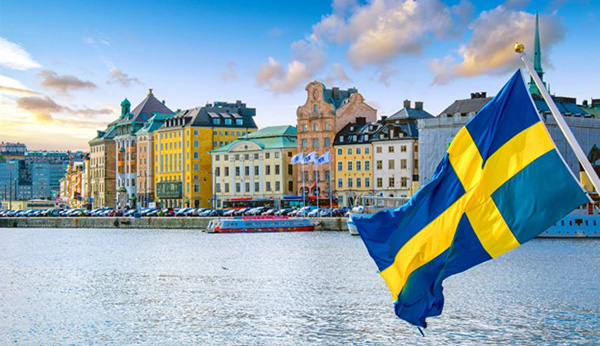
The World Energy Council (WEC) studied countries striving to achieve an energy transition from fossil fuels to renewable energy sources. The WEC measured each territory’s energy security, equity, and environmental sustainability.The World Energy Council (WEC) studied countries striving to achieve an energy transition from fossil fuels to renewable energy sources. The WEC measured each territory’s energy security, equity, and environmental sustainability.
Sweden, Denmark, and Finland are the top three energy-secure nations whose “robust and secure energy systems that manage supply and demand effectively.”
Interestingly, neither the global energy powerhouses of the U.S. or China appeared in the top 10 of any measurement parameter. The United States is 15th.
Countries in Africa often suffer energy insecurity. The lowest performer of the 128 countries studied was Niger. There are also surprises; oil-rich nations like Iraq and Iran have high energy insecurity despite their crude oil reserves.
Oil Players That Impact Energy, National Security, and Foreign Policy
Having fossil fuels or minerals required for renewable energy sources gives countries a lot of leverage on their energy security and that of others. Foreign policy on energy often dictates relations between countries.
Crude oil production brings great power, with just five countries controlling over half the world’s oil market. The United States leads oil production, followed by Saudi Arabia, Russia, and Canada. The Middle East has several more players in the game, with Iraq, Iran, and the United Arab Emirates (UAE).
Some of these countries’ reactions to the Russian invasion of Ukraine highlighted how supply disruptions affect energy. U.S. oil companies didn’t increase supply to keep consumer prices low; instead, they raised their per-gallon profits on what they had. The Organization of the Petroleum Exporting Countries (OPEC) did the same, pushing through oil production reductions with Russian cooperation to maintain high oil prices.
As they say in France, plus ça change, plus c’est la même chose — the more things change, the more they stay the same.
China has boosted its imports of Russian fossil fuels, India has increased its imports almost seven-fold, while Europe remains addicted to Russia’s hydrocarbons, especially Germany and the Netherlands.
What Is Coal and Natural Gas’s Role in Energy Security?
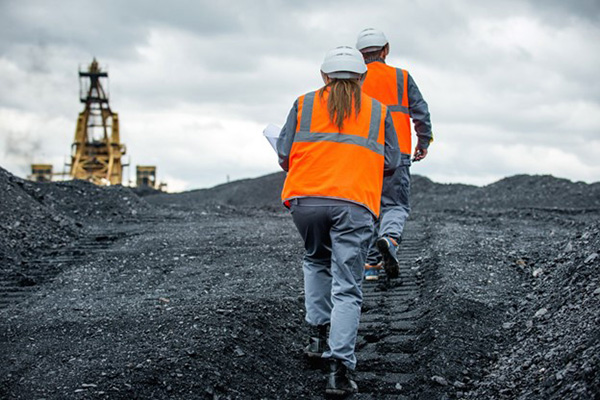
In 2021, coal satisfied 55% of China’s energy needs, and the country mined 47% of the coal extracted worldwide. It imports more coal than any nation, with India a distant second. In 2020, China burned 56% of all the coal globally.In 2021, coal satisfied 55% of China’s energy needs, and the country mined 47% of the coal extracted worldwide. It imports more coal than any nation, with India a distant second. In 2020, China burned 56% of all the coal globally.
China may appear to be reasonably self-sufficient in coal. But it has energy security challenges and is suspect to market conditions. After the Russian invasion of Ukraine, coal prices rocketed.
Then a new global trade picture emerged between Russia and China, hitting record levels, with China buying in the cheaper Russian energy supplies shunned by Europe. Access to these natural resources helped the country stave off possible power outages caused by coal shortages.
Japan represents the other side of Asia’s coal consumption; the country only achieves energy security by importing vast amounts of coal. Its reliance on imported coal is the opposite of energy security.
The United States produces about 23% of all natural gas, followed by Russia (17.4%). The U.S. burns 88% of that at home, while Russia is the world’s leading natural gas exporter. We’ve already seen how the U.S. government stepped up to replace Russian fossil fuel supplies after the Ukraine invasion, showing the impact of energy on national security and foreign policy.


I heard about Just Energy through a friend of mine. I went with them because of their low rate, and I save more energy too. With their service, our bills went down. Their people were nice as well.
Franklin Powe
Does the United States Have Energy Independence?
The United States has enough energy within its borders to achieve energy independence. Yet the country doesn’t have energy independence.
These contrasting statements only make sense once we examine the U.S. energy market, which wants to make a profit. For example, the nation’s shale and oil book produces light and sweet crude oil fit for export. But the country’s refineries want heavier and cruder oils to process.
It’s financially beneficial for the country to interact this way with the global oil markets. While the U.S. is not currently energy independent, Americans do enjoy energy security, thanks to their country’s natural resources, fossil fuel reserves, and access to clean energy sources.
What’s the Future Impact of Energy on National Security and Foreign Policy?
Many of the economic battles for fossil fuel ownership have been fought. Venezuela has the world’s largest oil reserves and the U.S. has the largest proven coal reserves. Russia possesses almost a quarter of the remaining natural gas reserves. China and the Middle East also hold great sway over energy markets.
Climate change policies will see a race for renewable energy sources and their associated materials alongside the need for more energy efficient behaviors at home. Renewables will be the world’s most significant electricity source by 2026. Trading will switch from raw hydrocarbon materials to those needed to make solar panels, large-scale batteries, and wind turbines.
In the long term, energy security will come to those who invest in the energy transition from renewable energy sources rather than relying on finite fossil fuels. This should help people retain access to affordable energy to power their homes, cars, and businesses.
The impact of energy on national security and foreign policy is a fluid river. Population growth or decline and climate change’s effects on arable land and natural resources will push governments into political and environmental corners.
The challenges facing foreign policymakers for energy security are many and complex. But you can do your part every day. Learn how to be more energy efficient even in a bigger home and educate yourself about choosing more renewable energy sources. Every bit helps.
Brought to you by justenergy.com
All images licensed from Adobe Stock.
Featured image: