

Energy production is a necessity in today’s life but much of it comes from sources that emit greenhouse gas (GHG) emissions. These GHG emissions are a large reason why we’re dealing with unprecedented climate change. But just how serious is it, and can you do anything about it?
Continue reading more about the impact of energy production and consumption on the environment, including climate change, and how you can do your part to reduce its impact.
How Does Energy Consumption Affect the Environment?
Of all electricity generation in the U.S. in 2021, 61% came from plants that burn fossil fuels (coal, oil, or natural gas), biomass, or municipal and industrial wastes. When these plants burn their fuel, they release a wide range of gases and toxins, such as carbon dioxide (CO2), sulfur dioxide (SO2), carbon monoxide (CO), and nitrogen oxides (NOx). They also release particulate matter (PM) and heavy metals.
Environmental science shows that each of these byproducts impacts our environment negatively in various ways. For example, CO2 is a greenhouse gas that can trap heat, leading to global warming, and SO2 can lead to acid rain, harming plants and animals.
So, how does our consumption impact all this? The fact is, the more we consume, the more the electricity plants need to burn to meet our energy demands. This leads to them emitting more of these gases and other harmful byproducts into the environment and atmosphere.
Our consumption level directly impacts the amount of emissions these plants put out. Making matters worse, in 2017 a whopping 28% of total global emissions were from electricity, which trailed only transportation at 29%.
How Does Energy Consumption Help the Environment?
While energy consumption generally harms the environment, you can take action to lower this impact. Let’s cover some of these options you have to reduce the impact of your energy consumption.
Choose a Green Energy Provider
Reducing the environmental impact of your energy consumption starts at the source, meaning where you get your energy from. If you live in an area without energy deregulation, this option may not be available.
However, if there is energy deregulation in your area, see which provider has the largest renewable energy mix to limit the amount of GHG emissions your electric consumption causes. This includes hydropower, solar, wind turbines, geothermal, and other sustainable energy sources.
This doesn’t mean you have zero options if you don’t live in a deregulated energy market. Some energy providers offer the option of shifting your consumption to existing clean energy sources for a fee or a slightly higher per-kilowatt rate. They often call this “green pricing.”
Reduce Your Energy Consumption
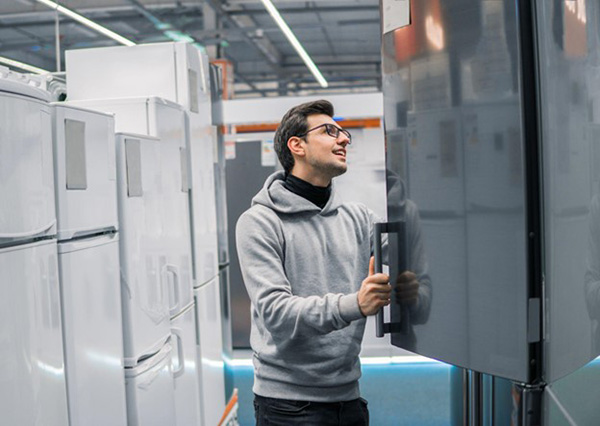
The next step in reducing the impact of your power consumption and your share of air pollution from power plants is simply reducing your consumption. You can do this in many ways, but a good place to start is with a home energy audit or home energy assessment.
These audits assess your home’s energy efficiency room by room. They can search for leaky window and door seals, inefficient ductwork, appliances with excessive electrical draw, and more. Some can even assess your personal energy use and recommend ways to lower consumption with small life changes. For example, unplug electronics you aren’t using (aka energy vampires), take shorter showers, or change the temperature on your thermostat.
After the assessment, you can act by replacing old, outdated, and inefficient appliances with new ones with less draw on the energy supply. This can include your refrigerator, clothes washer and dryer, heating and air conditioning systems, and more.
Swapping out appliances can get pricey but pay close attention to the Energy Guide labels — the bright yellow stickers that outline the estimated yearly electricity costs of certain appliances — and compare them to your old appliances’ consumption. You may find the electricity savings make up for the cost over time. Also, some local governments offer incentives for upgrading appliances requiring less electric power.
On top of some of the lifestyle changes mentioned above, some other changes you can make to reduce your energy consumption include:
- Performing timely maintenance on heating and air conditioning systems
- Closing your blinds and drapes at night to retain warm or cool air
- Preheating the oven right when you’re about to use it — not too early
- Washing and drying only full loads of laundry
- Plugging electronics into power strips and turning off the strips powering electronics you don’t need overnight, such as the television and computer
- Changing incandescent bulbs to LED lights
- Changing from a desktop to a laptop computer, which is up to 80% more efficient
- Remembering to turn off lights when you leave a room or installing motion-detecting light switches
Switch to Renewable Energy Sources at Home
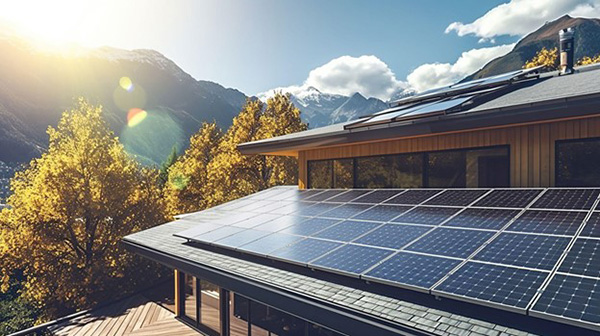
You can also put the power in your own hands, so to speak, by installing your own renewable energy technology. Putting a wind turbine on your property likely isn’t an option, but you could consider installing photovoltaic panels (solar panels). You might also look into switching to geothermal heating or installing a solar water heater or solar attic ventilation fans. All of these changes can reduce or offset your draw on local energy resources.
You can also take advantage of local and federal incentive programs to offset some of the costs associated with these switches. For example, the federal government offers a tax credit of up to 30% for installing solar energy from now through 2032. This credit then falls to 26% in 2033 and 22% in 2034. The credit expires in 2035.
Your Satisfaction is Our Priority
We're confident you'll love your plan, but if not, call us, and we’ll help you find the perfect plan without any extra cost.*
How Much Does Energy Production and Consumption Contribute to Climate Change?

Energy production is responsible for a huge share of CO2 emissions in the U.S., which means it’s also a major contributor to climate change and global warming. According to the U.S. Energy Information Administration (EIA), energy production led to 1,539 million metric tons of CO2 emissions in the U.S. in 2022. That’s approximately 31% of all energy-related CO2 emissions in the U.S.
The leading source of these energy-generation-related emissions was coal at 55%. Following it is natural gas at 43%, petroleum at 1%, and other sources at less than 1%.
On the energy consumption side, there’s a significant impact on climate change too. As we consume more electricity, power plants must increase power generation to make up for it. This ultimately leads to them burning more fossil fuels, creating more GHG emissions, and contributing even more to climate change.
This has become a cycle: As the planet continues to warm, the demand for residential and commercial cooling increases. This leads to even more consumption, which results in more carbon emissions that can further warm the climate.
Since the mid-1990s, the number of summer days requiring cooling has been on a steady upward trajectory. This is matched by the summer electricity used per capita in all 50 states rising from about 900 kilowatt-hours in the mid-1990s to around 1,400 kilowatt-hours in 2020.
What’s the Impact of Energy Use and Production on the Environment?
Every power-generation method impacts the environment in one way or another. Yes, even renewable energy. That’s because environmental impact goes beyond just GHG emissions and climate change. It also includes air quality, water quality, and land use. Let’s review some of these major climate impacts from energy production and use.
Air Quality 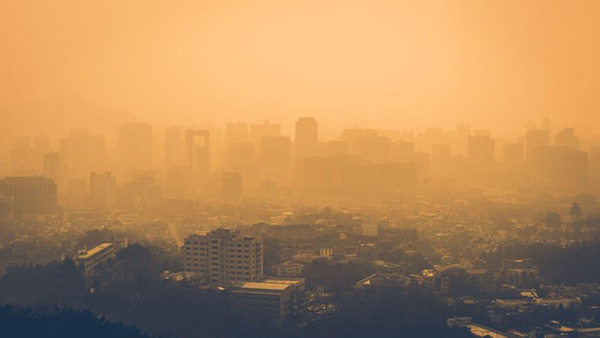
The release of GHG emissions in the air certainly causes climate change, but these and the other byproducts released from fossil-fuel-generated power can severely impact air quality. It releases things like sulfur dioxide (SO2), carbon monoxide (CO), and nitrogen oxides (NOx). They also release particulate matter (PM).
How do these byproducts impact air quality? According to the EIA, SO2 worsens respiratory issues and illnesses; NOx creates ground-level ozone, which can cause lung irritation and damage; and PM causes smog and can contribute to illnesses such as asthma and bronchitis.
Water Quality
Power plants that burn fossil fuels also release heavy metals, such as mercury, which can enter our waterways and harm fish or other marine life. This also can impact our food supply, as the contaminated fish could find its way to our plates. The U.S. Environmental Protection Agency (EPA) also notes these plants release a lot of wastewater used for cleaning, which also contains heavy metals that can get into the water. Not to mention the billions of gallons of water thermal power plants pull from local bodies of water.
Land Use
Land use is one environmental impact that spans all power generation, whether green or dirty. Power generation requires land, from building a coal-fired power plant to installing a solar panel or windmill farm. This can impact ecosystems and displace species that occupy that land, forcing them into smaller areas with more competition. Shrinking ecosystems can lead to portions of that species dying off.
This land use isn’t equal among all power plants, as some use more than others. The biggest offender is also one of the greenest powers, small to medium hydropower plants. They use a median of 33 square meters of land per megawatt-hour (MWh) of energy small to medium hydropower plants produce. Large hydropower plants producing over 660 MW are more land efficient at 14 square meters per MWh.
Nuclear power is the least demanding energy source at just 0.3 square meters per MWh. Solar panels fall in the middle at 3 to 19 square meters per MWh, depending on type and installation method.
What Types of Energy Production Are Harmful to the Environment?
As mentioned, all energy production harms the environment in one way or another. Fossil fuel energy production has the biggest impact as it results in land use, can worsen water quality, causes low air quality, and releases GHG emissions. However, green energy isn’t completely innocent as it also results in land use — significant land use for small to medium hydropower plants — that can displace species.
Energy Production FAQs
What role do efficiency and demand management play in lowering emissions?
Efficiency and demand play a role in lowering emissions by using less energy and shifting use away from peak demand, when plants often burn more fossil fuels. They help shrink your carbon footprint while easing grid strain.
What actions can households take to reduce their energy-related footprint?
Households can reduce their energy-related footprint by upgrading to efficient appliances, improving insulation, and choosing cleaner energy sources. Simple changes like turning off unused devices and adjusting thermostat settings add up quickly.
Reduce the Impact of Energy Production and Consumption on the Environment, Including Climate Change
Now that you’re familiar with the impact of energy production and consumption on the environment, including climate change, you may be prepared to do your part.
Fortunately, you can take many steps to lower the carbon footprint of your power consumption — turn off appliances when they’re not in use, use renewable energy sources when possible, and opt for a green power supplier.
Check out Just Energy’s electricity plans that use renewable energy to support a cleaner future.
Brought to you by justenergy.com
All images licensed from Adobe Stock.
Featured image: