

Energy generation and distribution are constantly changing and evolving as local, state, and national governments look to make their power grids as stable and sustainable as possible. One such change is the introduction of microgrids.
These localized power grids offer small areas a reliable power source, even when the main grid is unstable or experiencing interruptions.
Learn more about microgrids, including how they differ from traditional grids, their primary purpose, and whether they can take us into a greener, cleaner energy future.
What Is a Microgrid?
As its name suggests, a microgrid is a small-scale power grid. It can operate either independently or with the main power grid. These small electricity grids generate, store, and distribute energy to specific areas like schools, commercial facilities, public institutions, hospitals, airports, or private homes. As such, a microgrid is a type of distributed energy resource (DER).
Microgrid systems generally don’t rely on traditional on-site power plants. Instead, they integrate various energy sources to provide reliable electricity. Because microgrids operate independently, they have greater flexibility and can disconnect from the main grid during power outages and keep the electricity flowing to the community or facility they power. They can then seamlessly reconnect with the main grid when needed. This flexibility allows microgrids to enhance overall grid resilience and reduce the risk of widespread blackouts.
How Does a Microgrid Differ from a Traditional Power Grid?

The biggest difference between a microgrid and a traditional power grid (also known as a macrogrid) is size. While a macrogrid serves a large geographical area, a microgrid provides power to a localized community or even a single facility.
Another key distinction is that modern microgrids generally don’t use power plants for power generation. Instead, they increasingly focus on renewable and sustainable power sources. While fossil fuels still account for about 80% of microgrid energy generation, the trend is moving toward clean energy sources.
What Are the Key Components of a Microgrid?
Microgrids include several key components, including a distributed energy generation system, energy storage devices, load management devices, communication and control systems, inverters, and other equipment.
Energy Generation Systems
A microgrid’s energy generation system can vary greatly. While traditional microgrids like diesel generators still use fossil fuels, today’s newer microgrids lean toward greener solutions like solar energy, wind power, combined heat and power (CHP) units, and even nuclear or fuel-cell technology. This ensures a diversified and sustainable power supply that reduces greenhouse gas emissions (GHG).
Energy Storage
To help maximize the effectiveness of their power generation, many microgrids include energy storage. This generally includes a collection of lithium-ion battery packs that store excess energy and then distribute it when needed most. For example, a solar panel-powered microgrid may create excess energy when the sun shines. It stores that excess energy in the batteries and distributes it at nighttime when there’s still energy demand but no sunlight to fuel power generation.
Load Management
Like any power generation station, a microgrid must deal with varying loads throughout the day. For example, if a large piece of machinery starts up and draws more power from the microgrid, the grid must respond to this extra demand. Microgrids will do this in one of two ways.
The first way to manage the load is by increasing the power supply to meet the higher demand. The second (and more efficient) way, which is generally only useful for microgrids that power a single facility, is to shut down an unused system to balance the overall demand across the grid without increasing generation. For instance, the system could shut down the heating in an area of the building that’s unused at the time.
Control and Communication Systems
Demand on a microgrid can vary throughout each day so it must be prepared to make fast changes. This is where high-tech control and communication systems come into play. Various controllers and sensors throughout the grid can detect increased loads and adjust power distribution to keep the grid stable during peak demand.
On top of these sensors is a Supervisory Control and Data Acquisition (SCADA) system that’s responsible for data collection and distributing instruction. These SCADA systems maximize the use of renewable energy to meet power demands while adding in fossil fuel energy as needed to prevent the grid from crashing.
Some more high-tech SCADA systems rely on artificial intelligence (AI) and machine learning (ML) to better predict and manage load variations, further minimizing fossil fuel reliance.
Inverters and Other Equipment
Like any power generation and distribution network, a microgrid requires the basics to transmit energy — this includes cables, circuit breakers, transformers, inverters, and other components. These ensure all the power flows to the areas it’s needed and also offer protection from overloads with automatic transfer switches and other devices.
What Is the Primary Purpose of a Microgrid?
The primary function of a microgrid is to provide reliable and efficient power to a specific area or facility.
A secondary purpose of these microgrid projects is to reduce our carbon footprint. Because many modern microgrids use renewable energy sources, they help reduce greenhouse gas emissions and promote energy independence and sustainability. These small utility grids also offer the potential for energy cost savings, improved grid resilience, and better energy efficiency.
What Types of Renewable Energy Sources Can Be Integrated into Microgrids?
Microgrids can include various renewable energy sources depending on the available resources, local climate, and other variables.
A common renewable energy source for microgrids is solar photovoltaic (PV) panels. These solar panels offer easy installation and scalability to grow with power demand. Naturally, regions with ample sunshine (like Texas and California) are an ideal fit as they can generate more power more consistently.
In areas with steady winds, wind turbines can be used to generate electricity. Other energy solutions include biomass and geothermal energy systems that use organic matter and heat from the Earth’s core, respectively, to generate electricity.
Find out why over a million customers trust Just Energy!
What Are the Benefits of Microgrids?
Microgrids offer a variety of benefits, ranging from greater energy stability and autonomy to sustainability. Let’s take a closer look at some of the upsides.
Energy Stability
Microgrids operate in tandem with a macrogrid but they can also operate independently, which allows for more stability. For instance, if the main power grid goes down for some reason — such as a power outage, technical issues, or natural disasters like the Texas winter storm of 2021 — the microgrid can take over power generation and keep the lights on.
Energy Reliability
Microgrids are generally positioned near their consumers, whether it’s a single facility or a small community. This proximity to their consumers means less distance for the energy to flow before reaching its destination and fewer points of potential failure, which helps increase reliability.
Energy Autonomy
Microgrids allow autonomous power generation and storage for a smaller community or facility. This gives the local area greater autonomy to balance out its own power loads without relying on a macrogrid.
Sustainability
Microgrids often use sustainable and renewable energy, such as wind or solar power. This allows them to increase sustainability by lowering reliance on fossil fuels. It also helps reduce GHG emissions, which is instrumental in the battle against climate change.
Scalability
Another key benefit of a microgrid is its scalability. As a community or facility grows, the microgrid can grow along with it to meet new demands with relative ease by adding more solar panels or additional wind turbines.
What Are the Different Types of Microgrids?

Different types of microgrids cater to various power needs. Let’s review some of these microgrid energy solutions and how they differ.
Remote Microgrids
Remote microgrids serve isolated locations, such as remote communities or military bases, where access to the main grid is limited. These grids operate in “island mode” at all times, meaning they are 100% self-sufficient and require no connection to a macrogrid.
Grid-Connected Microgrids
Grid-connected microgrids have a direct connection to a macrogrid via a switching mechanism. This allows them to disconnect and operate in “island mode” and then reconnect seamlessly as needed (which is particularly important during peak demand).
Also, this model uses the microgrid as a backup power source. So, if the macrogrid goes out, the facility still functions as normal. These systems are ideal for hospitals, college campuses, and other power-dependent organizations.
Networked Microgrids
These systems include several microgrids connected to the same grid circuit to serve a large area. They use a control system to coordinate each grid to ensure maximum efficiency, whether each grid operates in island mode or ties into the macrogrid.
How Is the Future of Microgrids Shaping the Energy Landscape?
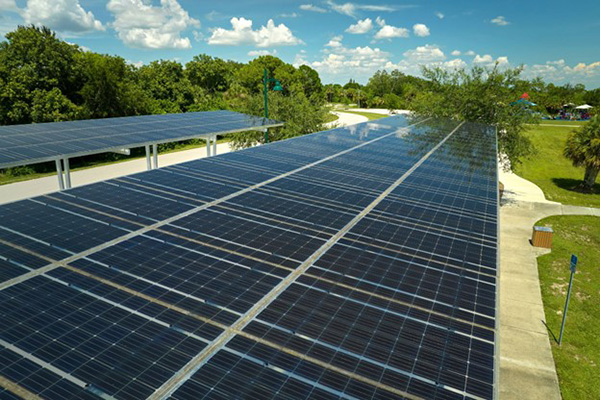
The future of microgrids holds great promise for shaping the energy landscape. As the demand for decentralized power generation and renewable energy rises, microgrids offer a flexible and sustainable solution.
With advancements in control systems, energy storage technologies, and grid interconnectivity, microgrids can help more people and places achieve energy independence, reduce carbon emissions, and improve overall grid resilience.
According to the Microgrid Resources Coalition, there are currently 461 operational microgrids in the United States, providing 3.1 gigawatts of reliable electricity. As the world transitions toward a clean energy future, microgrids can be crucial for future generations.
Microgrids: Small Changes Making a Big Impact
Microgrids are an effective way to generate electricity onsite rather than relying on the main power grid. These localized and decentralized power sources offer greater flexibility, autonomy, and cleaner energy.
However, microgrids aren’t an option for everyone and there’s still a long way to go for greater advancements and adoption. Fortunately, you have alternative ways to save on energy and even lower your energy costs now. Take a look at green energy plans from Just Energy to suit your needs, reduce your carbon footprint, and promote sustainable energy sources like solar and wind.
Brought to you by justenergy.com
All images licensed from Adobe Stock.