

When winter arrives in Ohio, it brings with it a magical transformation that enchants both locals and visitors alike. The state undergoes a picturesque change as it becomes a haven for snowy landscapes, cozy getaways, and a plethora of exciting seasonal activities. From charming small towns to bustling cities, Ohio offers a diverse range of experiences that make the winter season truly special.
One of the most enchanting aspects of winter in Ohio is its snow-covered landscapes. As the snowflakes gently blanket the terrain, the state takes on a serene and ethereal beauty. Whether it’s the rolling hills of the countryside or the urban parks of the cities, the white layer of snow adds a touch of wonder to every corner. Residents and tourists eagerly await the first snowfall, signaling the beginning of a season filled with outdoor adventures and indoor comforts.
For those seeking outdoor thrills, Ohio’s winter offers a variety of activities to get your adrenaline pumping. Skiing and snowboarding enthusiasts flock to the state’s ski resorts, such as Snow Trails and Boston Mills/Brandywine, to carve through the powdery slopes. The thrill of gliding down the hills surrounded by picturesque vistas is an experience that leaves a lasting impression.
If you prefer a slower pace, winter hiking and snowshoeing provide the perfect opportunity to explore Ohio’s natural beauty at a leisurely rhythm. Trails wind through snow-draped forests, leading to frozen waterfalls and tranquil lakes. State parks like Hocking Hills and Cuyahoga Valley come alive in winter, offering a serene escape from the hustle and bustle of everyday life.
As the temperature drops, Ohio’s charming towns transform into winter wonderlands. Festive lights adorn the streets, and cozy cafes invite you to warm up with a cup of hot cocoa. Town squares become gathering places for holiday markets and cheerful events. Communities come together to celebrate the season, fostering a sense of unity and shared joy.
For those seeking indoor comfort, Ohio offers a rich array of options. Boutique shops are stocked with unique finds, making holiday shopping a delightful experience. Galleries and museums provide cultural enrichment, while theaters and performance venues offer entertainment that warms the soul.
When it comes to accommodations, Ohio doesn’t disappoint. Rustic cabins nestled in the woods offer a romantic retreat, complete with crackling fireplaces and bubbling hot tubs. Luxury resorts pamper guests with spa treatments and gourmet dining, creating a perfect blend of relaxation and indulgence.
As winter deepens, Ohio’s calendar fills with seasonal events that bring the community closer together. Winter festivals, ice sculpting competitions, and holiday parades are just a few examples of the vibrant happenings that take place across the state. These events capture the essence of winter’s magic and provide opportunities for creating cherished memories with loved ones.
What Is the Weather Like in Ohio in Winter?
In Ohio, the weather during the winter months (generally December to February) varies across the state due to its diverse geography. Generally, winters in Ohio are cold and can range from moderately snowy to quite snowy, with temperatures typically falling below freezing.
Northern Ohio, particularly cities like Cleveland and Toledo, experiences colder temperatures and heavier snowfall due to their proximity to the Great Lakes. Lake-effect snow can lead to significant accumulations, impacting travel and daily activities.
Central Ohio, including cities like Columbus, experiences milder temperatures compared to the north but still sees cold conditions and occasional snowfall. The amount of snow can vary from year to year.
Southern Ohio, including Cincinnati and areas along the Ohio River, tends to have slightly milder winters compared to the northern parts of the state. While snowfall is less frequent and generally lighter, cold temperatures are still common.
It’s important to note that winter weather in Ohio can be unpredictable, with occasional periods of extreme cold and winter storms. Residents and visitors should be prepared for fluctuating temperatures, the possibility of snow and ice, and potential travel disruptions during the winter months.
What Is the Coldest Month in Ohio?
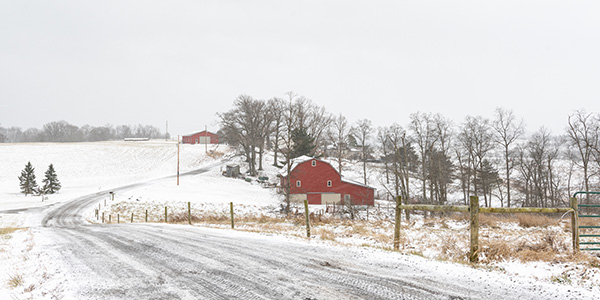
In Ohio, the coldest month of the year is generally January. As the heart of winter sets in, temperatures across the state tend to plummet to their lowest points. During this month, Ohioans and residents of the state experience the full brunt of the winter chill. The landscape often transforms into a winter wonderland, with snow-covered fields and frost-kissed trees creating a picturesque scene.
Throughout January, cities and towns in Ohio commonly see average daily high temperatures ranging from the upper 20s to mid-30s Fahrenheit (around -2°C to 2°C), while average low temperatures can dip down to the teens and even single digits Fahrenheit (-9°C to -2°C). However, it’s essential to note that these are just averages, and actual temperatures can vary from year to year and from one region of the state to another.
The coldest temperatures are often experienced in the northern parts of Ohio, closer to the Great Lakes, due to the influence of lake-effect snow and cold air masses moving across the region. Cities such as Cleveland, Toledo, and Akron tend to bear the brunt of these extreme cold snaps.
As January unfolds, Ohio residents bundle up to brave the cold, and communities come alive with winter activities, from ice skating and sledding to enjoying warm beverages by the fireplace. Despite the chill, there’s a certain charm to Ohio’s winter, as people come together to embrace the season and find joy in its unique offerings.
How Many Months Is Winter in Ohio?
Winter in Ohio typically spans three months, covering the months of December, January, and February. These months are considered the coldest of the year in the state, with temperatures often falling below freezing and snowfall being common, especially in the northern parts of Ohio. While the exact timing and intensity of winter weather can vary from year to year, this three-month period is generally when Ohio experiences its most significant winter conditions.
During this extended three-month winter span, Ohio undergoes a gradual transformation. December marks the onset of the season, with temperatures starting to drop and occasional snowfall dusting the landscape. As the holiday spirit takes hold, communities light up with festive decorations, and the anticipation of winter activities grows.
By the time January arrives, winter is in full swing. The coldest temperatures of the year are experienced, and snowfall becomes more consistent, especially in the northern and central regions. Ohioans bundle up in warm coats, scarves, and hats as they navigate the chilly outdoor conditions. While the cold might be daunting, it also creates the perfect backdrop for indoor gatherings, cozy firesides, and holiday celebrations.
As February follows, there’s a subtle shift in the air. While winter’s grip remains strong, there are glimpses of the impending arrival of spring. Days become slightly longer, and there’s a sense of anticipation as Ohioans start to look forward to milder weather ahead. Despite this, February can still bring significant snow and cold temperatures, reminding everyone that winter is not quite ready to release its grasp.
By the end of February, Ohio begins to experience hints of the changing seasons, with occasional milder days and the promise of spring just around the corner. As the snow begins to melt and the days gradually warm, winter slowly gives way to the renewal of life that comes with spring. But for those three months—December, January, and February—Ohioans embrace the challenges and joys that winter brings, creating a unique tapestry of experiences that make up the state’s winter season.
Find out why over a million customers trust Just Energy!
Are Winters Getting Warmer in Ohio?
Yes, winters in Ohio, like many other parts of the world, have been experiencing a trend of warming temperatures over the past few decades. This phenomenon is part of the broader global pattern of climate change. While year-to-year variations can still lead to cold and snowy winters, the overall long-term trend indicates that winters in Ohio and across much of the United States have become milder on average.
Several indicators point to this warming trend:
- Rising Temperatures: Average winter temperatures in Ohio have been increasing over the years. Warmer winter temperatures can lead to reduced snowfall and shorter durations of extreme cold.
- Reduced Snowfall: In many parts of Ohio, there has been a decrease in the amount of snowfall during the winter months. This can have various implications for winter activities, water resources, and ecosystems.
- Earlier Spring Arrival: Warming winters often result in an earlier onset of spring, with plants blooming and animals emerging earlier than they historically would.
- Decreased Ice Cover: Lakes and rivers in Ohio, including Lake Erie, have been experiencing reduced ice cover during the winter months due to warmer temperatures. This can impact aquatic ecosystems and regional weather patterns.
It’s important to note that while warming trends are observed on a global scale, local variations and short-term fluctuations can still occur. Climate change is a complex phenomenon influenced by a range of factors, and its effects can manifest differently in different regions.
Efforts to mitigate the impacts of climate change and adapt to the changing climate are crucial to minimizing the potential risks associated with warming winters and other climatic shifts.
What Is Ohio’s Snowiest Month?
The snowiest month in Ohio can vary depending on the region and year, but typically, the months of January and February tend to be the snowiest. During these months, Ohio experiences its coldest temperatures, which can lead to increased chances of snowfall.
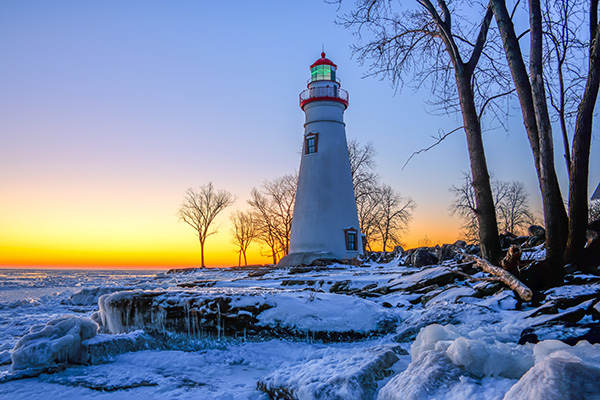
January, in particular, is often considered one of the snowiest months in Ohio. Cold air masses and moisture-laden weather systems can combine to create ideal conditions for significant snow accumulation. Lake-effect snow, generated by the relatively warmer waters of the Great Lakes meeting cold air, can also contribute to heavy snowfall in northern parts of the state, especially along the shores of Lake Erie.
February is also known for its substantial snowfall in Ohio, especially during the early part of the month. As temperatures gradually begin to rise toward the end of February, the frequency and intensity of snowfall typically start to decrease, marking the transition from the peak of winter to the gradual arrival of spring.
It’s important to note that while January and February are historically the snowiest months, snowfall can occur in other months as well, including December and March. Variations in weather patterns from year to year can lead to deviations from the historical norms, so actual snowfall amounts and timing can vary.
Where in Ohio Gets the Most Snow?
Northeastern Ohio, particularly areas near Lake Erie, receives the most snowfall in Ohio. This is primarily due to the phenomenon known as lake-effect snow, which occurs when cold air passes over the relatively warmer waters of the Great Lakes. The moisture from the lakes combines with the cold air to create heavy and localized snowfall bands downwind of the lakes.
Cities like Cleveland, Toledo, and cities in the snowbelt region of northeastern Ohio, including areas in Ashtabula, Geauga, and Lake counties, experience some of the highest snowfall amounts in the state. These areas can receive significant snow accumulations, often measured in feet rather than inches, especially during the peak winter months of January and February.
Lake-effect snow can lead to dramatic variations in snowfall amounts over relatively short distances. While areas directly downwind of the lakes might experience heavy snowfall, other regions of Ohio, particularly in the southwestern and southern parts of the state, may receive considerably less snow.
It’s important to note that lake-effect snow is a localized phenomenon, so snowfall amounts can vary widely within Ohio. Other factors, such as elevation and prevailing wind patterns, can also influence snowfall distribution across the state.
Lake-effect snow is a meteorological phenomenon that significantly impacts the distribution of snowfall in Ohio. Cities along the southern shore of Lake Erie, such as Cleveland and Erie, are particularly susceptible to heavy snowfall due to this process. The prevailing westerly winds pick up moisture from the lake’s surface and deposit it as snow when the air reaches colder inland areas.
The snowbelt region of northeastern Ohio is especially renowned for its heavy snowfall. Communities in this area are accustomed to navigating through substantial snow accumulations during the winter months. This heavy snowfall contributes to the development of winter sports and activities, such as skiing and snowmobiling, that are enjoyed by both residents and visitors.
Despite the challenges that come with heavy snowfall, many Ohioans embrace the unique beauty and recreational opportunities it provides. Local economies often cater to winter tourism and outdoor enthusiasts, fostering a sense of community pride in their ability to thrive even in the face of wintry weather conditions.
As winters evolve due to changing climate patterns, understanding and preparing for the effects of lake-effect snow become increasingly important. With advancements in weather forecasting, communities can better anticipate and respond to heavy snowfall events, ensuring safety and minimizing disruptions in daily life.
Ohio Winters In Summary
Ohio’s winter season is a time of enchantment and joy. With its snow-covered landscapes, exciting outdoor activities, cozy getaways, and vibrant community events, the state offers a multifaceted experience that appeals to a wide range of preferences. Whether you’re an adventure seeker, a nature enthusiast, or someone who simply enjoys the warmth of a crackling fire, Ohio welcomes you to embrace the beauty and wonder of winter.
In the heart of Ohio’s winter season lies a tapestry of enchantment and camaraderie that captivates all who experience it. From the tranquil beauty of snow-covered landscapes to the pulse-quickening rush of skiing down powdery slopes, Ohio offers a spectrum of delights for every winter enthusiast. Charming towns come alive with festive lights, inviting all to partake in the warmth of community gatherings and holiday markets. The season weaves a sense of togetherness, where laughter mingles with the crisp winter air, and the joy of shared experiences creates lasting memories.
As the snow falls softly and the world transforms into a wonderland of white, Ohioans and visitors alike find themselves drawn to the simple pleasures of the season. Whether exploring frozen trails or seeking solace in a cozy cabin, there is a sense of tranquility that accompanies the winter months. From the exhilaration of outdoor adventures to the comfort of indoor indulgences, Ohio’s winter season offers a canvas upon which countless unique stories unfold.
In the end, the winter season in Ohio is not just a passage of time but a celebration of life’s richness. It’s a reminder that even in the hush of the snowfall, there is a vibrant spirit that connects us all – a spirit of wonder, unity, and appreciation for the beauty that emerges when the world is blanketed in winter’s embrace.
Brought to you by amigoenergy
All images licensed from Adobe Stock.