

If you’ve ever looked at your Ontario hydro bill and noticed the “delivery” charge near the top, you’re not alone if the number seems surprisingly high. Many people aren’t sure what this fee covers or why it doesn’t always drop when they use less power.
In this guide, you’ll find Ontario hydro delivery charges explained in plain language. We’ll walk you through what’s included in Ontario electricity delivery charges, why they work the way they do, and who’s responsible for setting the rates.
What Are Ontario Electricity Delivery Charges?
Ontario electricity delivery charges are one charge you’ll see on your electricity bill. Once you understand what they cover, the rest of your statement will make more sense.
Delivery Charges vs. Electricity Charges
When you look at your bill, you’ll notice both electricity charges and delivery charges. The electricity charge is for the power you actually use. The delivery charge pays for all the systems, like wires and poles, that bring that power from the grid to your home or business. They’re both on your bill, but each one covers something different.
Why Delivery Charges Appear on Your Hydro Bill
Every Ontario customer helps pay to move electricity from power plants to the wires near their home. Because the system needs constant maintenance and operation, the electricity delivery fee Ontario customers pay appears on almost every bill in the province.

Go with the pros – we've been around for 20+ years, making us your trusted choice.
What Do Delivery Charges Pay For?
It’s easy to think of “delivery” as a truck rolling up to your house, but in this case, the delivery charge pays for everything needed to safely bring electricity from the grid all the way to your meter.
Transmission Lines
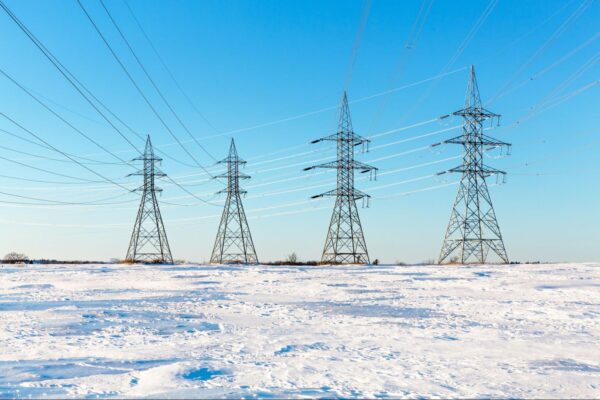
Part of the transmission and distribution charges Ontario customers see on their bill pays for the province’s high-voltage transmission system. This network of towers and long-distance power lines moves electricity from where it’s made to different parts of the province.
Local Distribution Systems
Your local utility looks after the poles, transformers, and underground cables in your area. These pieces of equipment lower the voltage once the electricity reaches your neighbourhood, then deliver it straight to your meter.
Customer Service, Metering, and Billing
Part of the delivery charge goes toward daily customer service tasks, such as reading meters, managing accounts, handling service requests, and preparing bills.
Line Loss Adjustment
Some electricity is always lost as heat when it travels over long wires. The line loss adjustment Ontario utilities apply recovers the cost of these unavoidable losses.
Why Are My Ontario Electricity Delivery Charges So High?
Many customers ask, why are delivery charges so high in Ontario? It can be frustrating to use less electricity but see little change in the delivery part of your bill. This happens because of the way the charge is set up.
Some Delivery Charges Are Fixed
Part of the delivery charges on Ontario electricity bills is a flat monthly fee. You pay it whether you use one kilowatt-hour or a thousand, so your bill won’t drop to zero even if your usage is very low.
The rest of the delivery charge depends on how much electricity you use. The more kilowatt-hours you use in a billing period, the larger this variable part of the charge will be.
Grid Maintenance and Infrastructure Costs Are Built In
Ontario’s grid covers thousands of kilometres of lines and equipment. Long-term maintenance, storm response, and planned upgrades are all included in the delivery rates approved by the OEB.
Delivery Charges Are Separate From Electricity Supply Rates
Switching to a different price plan or supplier won’t lower your delivery costs. Supply and delivery are governed by separate rules, so changes to one rarely affect the other.
What Is Included in the Delivery Line on an Ontario Electricity Bill?
The Ontario electricity bill delivery line is usually shown as one number, but behind it are several different fees working together to get power to your property. Depending on your provider, you might see everything grouped or each part listed separately. Business customers sometimes see additional delivery items based on their usage patterns.
| Delivery Component | What It Covers | How It’s Changed |
| Customer / account charge | Account servicing, billing, and customer support | Usually fixed |
| Distribution charge | Local utility poles, wires, transformers, and outage response | Mix of fixed and per-kWh |
| Transmission charge | Use of Ontario’s high-voltage grid | Per kWh |
| Line loss adjustment | Electricity lost as heat between generator and meter | Per kWh |
| Metering charge | Meter operation, data collection, and reading | Usually fixed |
| Other OEB-approved adjustments | Utility-specific items approved by the regulator | Varies |
Disclaimer: Bill labels vary between utilities. Check your statement for the exact wording your provider uses.
Delivery Charges vs. Other Charges on Your Ontario Electricity Bill
Delivery is just one of several categories on a typical Ontario electricity bill. Understanding how the other charges fit together can help you read your bill more easily.
Electricity Charges
This part of your bill covers the power you used during the billing period. For many homes and small businesses, it follows Time-of-Use, Ultra-Low Overnight, or Tiered pricing set by the OEB.
Regulatory Charges
Regulatory charges help fund the operation of Ontario’s electricity market and system. They apply to every customer in the province.
Global Adjustment
The Global Adjustment is different from delivery and shouldn’t be confused with it. For TOU, ULO, and Tiered customers, it’s already included in the published price. Customers on an energy retailer contract may see it as its own line.
Ontario Electricity Rebate and HST
Eligible customers may qualify for the Ontario Electricity Rebate, which reduces the subtotal before tax. HST is then added to get the final total.

Can You Reduce Ontario Electricity Delivery Charges?
Every monthly statement includes Ontario electricity delivery charges, and while you can’t eliminate them, you can affect the amount you pay. Knowing which fees are fixed and which shift with your usage can help you better manage your monthly costs.
Lower Usage Can Reduce Some Variable Delivery Charges
Cutting back on electricity use can reduce the portion of your delivery charge that’s tied to consumption. Simple steps like improving insulation, switching to LEDs, upgrading to efficient appliances, or adjusting your thermostat can make a difference over time.
Why Some Delivery Charges Stay the Same
Some parts of your delivery charge are fixed, meaning they don’t go down if your electricity use drops. That’s why you might notice your delivery fee doesn’t change much, even if you’re using less power that month.
Compare Price Plans, But Understand the Limits
Time-of-Use (TOU), Ultra-Low Overnight (ULO), and Tiered price plans mainly affect the supply part of your bill, not delivery charges. If you want to see how different plans might change your total costs, the Ontario Energy Board’s bill calculator can help you compare your options.
Review Your Bill for Errors or Unusual Changes
Unusual charges or differences on your electricity bill can happen from time to time. If you’re unsure about a total or notice something unfamiliar, like an estimated read or a billing period that seems different, your local utility can help clear things up if you get in touch.
Do You Still Pay Delivery Charges With an Energy Retailer?
Many Ontario customers sign up with an energy retailer, but this is also a common source of confusion about how the bill will change.
- Delivery Charges Apply with Energy Retailers: Energy retailers don’t own or operate the local wires and poles in your neighborhood. Your local utility still delivers electricity and bills the regulated delivery charges, no matter what supply contract you have.
- Retail Energy Contracts: A retail contract usually affects the supply rate or how supply-related charges are shown, but it doesn’t replace or remove the regulated delivery charges your local utility must apply.
Example: How Delivery Charges Can Affect Your Total Bill
Let’s say your household uses 500 kWh in a month. Your bill will start with the supply charge, based on your price plan or retailer agreement. Next comes the delivery charge, which includes a fixed monthly fee and usage-based charges for distribution, transmission, and line loss. Regulatory charges are added after that. If you qualify, the Ontario Electricity Rebate is applied before HST is calculated.
The dollar amounts can vary by utility or plan, but the steps in this process are the same across Ontario. This example is just to show how charges appear on a typical bill.
When Should You Contact Your Utility About Delivery Charges?
Most questions about delivery charges are best directed to the company that owns the wires running to your home. There are a few situations where it’s a good idea to call them.
- Your Delivery Charge Suddenly Spiked: If your delivery charge suddenly goes up from one month to the next, but your electricity use hasn’t really changed, it’s worth looking into. There could be a billing adjustment or another reason for the increase.
- Your Billing Period Is Longer Than Usual: Sometimes, your bill might cover more days than a typical month. While the total amount will be higher, your daily average should stay about the same. If you see a bigger bill, check the billing period first. It might just be a longer cycle.
- Your Meter Reading Looks Incorrect: If the reading on your bill doesn’t match what’s shown on the meter, your utility can check it and update the record.
- You Moved or Changed Service Type: Moving to a new address, opening a new account, or changing your rate class can all change which delivery charges apply.
- You Need Help Understanding Utility-Specific Rate Classes: Each utility has its own rate classes for residential, small business, and other customer types. For questions about supply plans or retailer contracts, Just Energy customers can contact Just Energy directly.
FAQs About Ontario Electricity Delivery Charges
What are delivery charges on an Ontario electricity bill?
Delivery charges pay for getting electricity from the province’s power grid all the way to your home or business. This includes the cost of maintaining and operating the equipment needed to deliver electricity safely and reliably.
Who sets electricity delivery charges in Ontario?
The Ontario Energy Board reviews and approves the rates, and your local utility applies them to each bill.
Why are my delivery charges high when I used very little electricity?
A portion of the delivery charge is a fixed monthly amount that doesn’t change when your usage drops.
Can I avoid delivery charges by switching electricity providers?
No. Your local utility still delivers the electricity and applies the delivery charges, regardless of who supplies your power.
Are delivery charges the same as electricity charges?
No. Electricity charges cover the power itself, while delivery charges cover the cost of moving it to your home or business.
Can I reduce delivery charges?
Reducing your overall electricity use can lower the variable portion, but the fixed monthly amount generally stays the same.

Plans With Perks
Enjoy free nights or weekends and earn bill credits, making your electricity plan work for you.
The Bottom Line
Ontario electricity delivery charges are a standard part of every monthly bill. Knowing what these charges support, who approves them, and how your usage affects the total can make it easier to understand your statement.
Just Energy offers electricity plans designed to give Ontario customers more predictability over their monthly costs. Explore Ontario plan options to find one that fits your household.
Brought to you by justenergy.com
All images licensed from Adobe Stock.