

Power-to-X, or PtX, is the process of turning renewable electricity into energy storage. PtX allows us to capture excess renewable energy in various forms for later use.
PtX comes as the world is undergoing an energy transition from fossil fuels to renewable energy sources, using mass electrification to reduce the greenhouse gas emissions (GGC) causing climate change. Is Power-to-X set to become a vital part of this new energy cycle?
Let’s see how Power-to-X projects are helping to push renewable power generation into a more efficient machine on the world’s journey to net-zero emissions.
What Is the Definition of Power-to-X Technology?
Renewable energy from sources like wind power and solar power are great for reducing carbon dioxide emissions. However, they’re intermittent, meaning they aren’t always reliable. For instance, the sun doesn’t always shine and the wind doesn’t always blow.
Conversely, these renewable energy sources may produce more energy than the power grid requires on bright days or during strong winds. Currently, some regions store renewable energy in pumped hydro storage reservoirs. But not everywhere has this option, and with large-scale battery storage in its infancy, much excess renewable electricity runs the risk of being wasted.
Power-to-X technology’s role is to capture this excess electricity and store it in another form, called an energy carrier, for later use. That energy carrier can later be burned, warmed, or used as fuel in many practical ways.
How Does Power-to-X Technology Store Energy?
Around two-thirds of global electricity generation may come from renewable energy sources by 2050. Power-to-X technology aims to turn excess emissions-free electricity into fuels like:
- Green hydrogen
- Synthetic fuels and chemicals like methane, methanol, and ammonia
- Synthetic natural gas
- Liquid fuels
Turning electricity into a gas becomes Power-to-Gas (PtG) or Power-to-Liquid (PtL) when making synthetic fuels. Some liquid fuels may also be called e-fuels, depending on their final use.
These energy storage systems have multiple uses for industrial processes or homeowners that want to be carbon neutral. They can be used within existing processes or burned and converted into electricity later.
Why Is Green Hydrogen Important to Power-to-X?
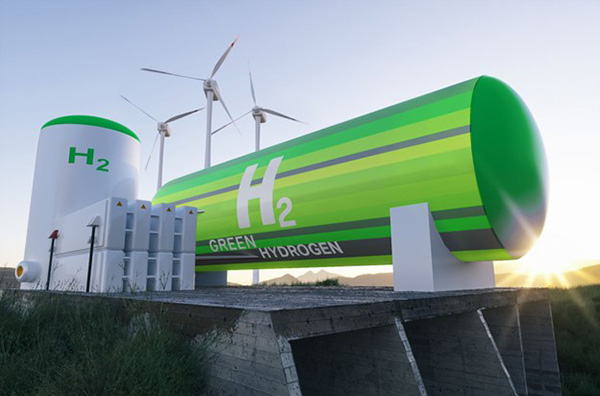
Green hydrogen is one of the potential stars of a future low-carbon society. It produces only water vapor when burned, yet its power can drive many of our energy systems, from vehicles to heating homes. It’s also central to the PtX model because it’s a hub for collecting and redistributing energy.
Currently, most hydrogen gas comes as a byproduct of processes at petroleum and natural gas refineries. Another option is through water electrolysis, splitting hydrogen (H2) from oxygen (0) in water molecules (H20).
The trick is to make green or renewable hydrogen using a carbon-free electricity source to power that electrolysis. For example, solar panels could run the electrolyzers that split the hydrogen from oxygen. This produces hydrogen fuel without carbon emissions.
In Europe, the European Union thinks renewable hydrogen production could meet 24% of the world’s energy demands by 2050 as part of a €630 billion (Euro) market. Once produced, hydrogen gas may also undergo synthesis and become a useful product across many industries.
What Are Uses for Green Hydrogen in Power-to-X Technology?
PtX allows for what is known as sector coupling, the broadening integration of energy using sectors with those that provide the power. Here’s how.
First, hydrogen storage is possible because hydrogen can be compressed, stored, and transported as a gas or liquid. Excess renewable energy production could create hydrogen for later use, where and when required. This fuel production model saves wasting renewable energy and allows us to move excess renewable energy around.
Heating is a vast potential market for Power-to-X technology. Green hydrogen may replace traditional fossil fuels and hydrocarbons, for example, powering steel-making processes instead of burning coal. However, many industries are challenging to decarbonize because of their intense energy requirements.
Some power plants may mix green hydrogen with natural gas to create electricity. Still, many think the gas grid is not 100% ready for the switch. Even so, in the United Kingdom, three million homes will have hydrogen-ready boilers by 2030. With a relatively simple valve refitting, many natural gas appliances can already run on a blend of 20% hydrogen and 80% natural gas.
These PtX processes are changing excess renewable energy into another form, an energy carrier, which can then be exploited elsewhere in a different form.
Power-to-X Technology and Carbon Emissions

Power-to-X pushes other industries into a climate-neutral space. Green hydrogen requires a carbon source to create synthetic fuels like methane and methanol. Carbon-intensive industries like cement can reduce their emissions through carbon capture. This carbon mixes with green hydrogen to form methane and methanol. The result is less carbon in the atmosphere, promoting sustainability.
Transport systems are ripe for decarbonization using PtX. Shipping, aviation, and trucks require vast amounts of power to operate, something heavy electric batteries may never achieve. But green hydrogen can create synthetic fuels that “drop-in” into existing aircraft engines.
Feasibility studies and pilot projects for green hydrogen-powered ships continue. Hydrogen is bulky and challenging to store aboard, requiring incredibly low temperatures to remain stable. Hydrogen-powered boats could become almost entirely emissions-free as they sail the seas.
Some electric vehicles run on hydrogen fuel cells, converting compressed hydrogen gas into electrical energy to power the car. Countries, including Germany and France, are testing hydrogen-fuel-cell-powered garbage trucks.
Furthermore, green hydrogen mixed with nitrogen produces the chemical feedstock ammonia, from which the farming industry makes fertilizer. The Puertollano power plant under construction in Spain will use 100 megawatts of solar power to create green hydrogen, green fertilizers, and ammonia. Farms could even capture carbon from their biomass systems.
How Does “Power to Gas” (PtG) Work?
Power-to-gas (PtG) describes renewable energy’s journey from generating electricity to creating gases like hydrogen or methane. That electricity, via electrolysis, converts into hydrogen gas. Hydrogen gas can also be mixed with carbon dioxide to produce methane. The original power has changed to gas, whose power may be transported or utilized as energy in another format.
What Are the Environmental Advantages of PtX Systems?

Power-to-X systems offer several environmental advantages to the energy sector, including lower greenhouse gas emissions and higher energy efficiency.
Excess renewable energy generation isn’t lost but stored, improving the efficiency of wind and solar farms. Electrolysis creates green hydrogen, reducing dependency on hydrogen currently captured during petroleum and natural gas extraction processes.
The synthetic fuels that come from mixing green hydrogen with carbon dioxide also help reduce overall carbon emissions. Carbon capture schemes have somewhere helpful and profitable to send their captured carbon, rather than allowing it to escape into the atmosphere.
Renewable hydrogen-powered electric fuel cell vehicles emit no tailpipe emissions. That’s vital, considering the global transport sector produces 28% of greenhouse gas emissions.

Join us – we've been at this for more than 20 years, so you're in good hands.
What Are the Disadvantages of Large-Scale PtX Systems?
Power-to-X is not a panacea for all energy ills, especially as it remains relatively niche and small-scale. There are some disadvantages with large-scale PtX, including:
- The high costs of renewable electrolysis to generate green hydrogen could result in higher energy bills.
- Liquefied hydrogen needs storing below -423 degrees Fahrenheit (-252.8 degrees Celsius), making storage and transport expensive.
- Infrastructure investment to store and transport green hydrogen is significant.
- Power-to-X and Carbon capture do not address the root cause of carbon dioxide emissions generated by power plants or fossil fuel use in general.
- A possible lack of affordable captured carbon to create synthetic fuels affects affordability.
- Hydrogen is one of the smallest atoms, making leaks harder to contain. Leaking hydrogen can react with methane and increase methane accumulation in the atmosphere.
- There is local resistance from people to using hydrogen to heat their homes, as seen by recent UK pilot schemes being rejected and dropped.
What Are the World’s Biggest Power-to-X Projects?
Many Power-to-X projects are in the pipeline. Of note is the HyDeal Ambition (67GW) project, which will carry green hydrogen across Spain, France, and Germany.
Kazakhstan has plans for a 30GW wind and solar-based system to produce up to 3 million tons of hydrogen annually, set for completion in 2028.
Denmark has launched an ambitious PtX plan to take advantage of its expanding wind turbine network. The country has targeted six gigawatts of electrolysis power by 2030 to support various industries’ switch to lower-emission fuels.
Mauritania is assessing a 30GW green hydrogen development worth $40 billion, with another 2030 target to come online.
How Will PtX Integrate Renewables into the Power Grid?
Power-to-X technology allows us to deal with the issue of energy lost by intermittent renewable energy sources.
Power grids cannot always cope or have storage for times when renewable energy sources produce more electricity than is consumed. PtX takes that stress away from the grid and provides an alternative: when demand exceeds consumption, switch those renewable energy sources to electrolysis and store the energy as renewable hydrogen.
Power grid operators will have more tools to balance supply and demand across the grid and not worry about losing potential energy.
Is Power-to-X Technology the Future of Renewable Energy?
Renewable energy sources could benefit significantly from Power-to-X technology advances. Excess renewable energy isn’t lost but made the most of.
Electricity becomes green hydrogen via electrolysis. Industries can then pick and choose where and how to use that hydrogen, transporting it where it’s needed. Moreover, mix it with captured carbon to create e-fuels like methane or kerosene or chemical feedstocks like ammonia to increase its adaptability.
Lastly, the products created can always be turned back into electricity and loaded back into the power grid. Power-to-X, or PtX, is a clever way to deal with several issues, from carbon emissions to intermittent renewable energy. There’s also great potential for it to power shipping and aviation.
However, the jury is out on whether it can scale sufficiently. Depending on what happens to the green hydrogen, PtX is more of a carbon-neutral solution than a strict emissions reducer. It mitigates emissions some industries cannot avoid as much as a climate change-winning technology that will carry us into the future.
Brought to you by justenergy.com
All images licensed from Adobe Stock.