
Summary: The broad definition of energy is the ability to do work, but beyond that, there are different types of energy and a variety of sources of energy that we use every day.
Most of us have a general idea of what energy is and the role it plays in our lives, but what is the actual scientific definition of energy? The nitty-gritty details of what energy is can be complicated. It’s common to be a bit foggy when it comes down to fully understanding energy-related questions.
In this article, we’ll clear it all up as we provide an energy definition and explain all the details that can seem baffling. Where does energy come from? Where is energy stored? What are the forms of energy? Read on to learn these answers and much more.
What is the Definition of Energy?
The word energy can mean different things in different contexts. Here, we will be talking about the definition of energy in science.
In science, energy is the ability to do work. In other words, everything that can do work has energy.
Doing work is also known as causing or making change. Energy is either transformed or transferred every time work is done. This means that since it changes forms every time it’s used, the amount of energy in the universe will forever remain the same.
Why Is Energy Important?
Why do we need energy? Simply put, without energy, there is no life. But what specifically makes energy so important to our lives? Well, try thinking of something that does not use energy. It’s unlikely you can come up with an answer. A hot drink in a cup, a sleeping baby, a bouncing ball, even a beating heart all have energy.
9 Reasons Energy Is Important In Our Lives:
- Breathing
- Digestion
- Growing
- Healing
- Communication
- Heat
- Light
- Power
- Travel
The bottom line is that life runs on energy. The more active we are, the more energy we need. Since we can’t recycle and reuse energy, we have to take in a regular energy stream.
What Are the Types of Energy?
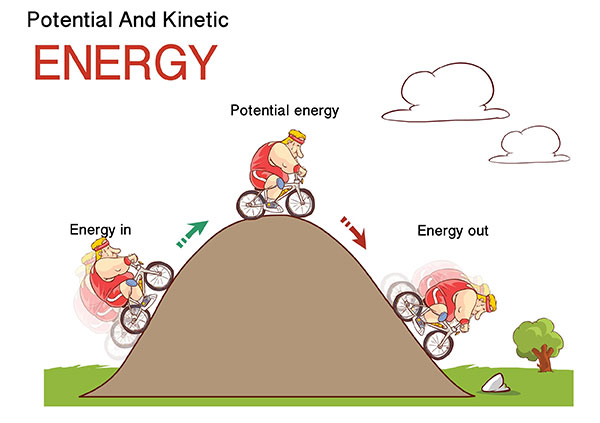
There are two main types of energy: kinetic energy and potential energy. Of course, there are many different forms of energy, but before we dive into that, let’s learn a bit more about these two main categories of types of energy.
What Is Kinetic Energy?
Kinetic energy is known as the energy of motion. For an object to have kinetic energy, something must do work to it. When an airplane is in flight, an item falls, or the wind blows, it has kinetic energy. The more mass and the more velocity an object has, the more kinetic energy it has. Kinetic energy is measured in joules (J), the largest unit of energy.
Types of kinetic energy include:
- Electrical energy
- Motion energy
- Radiant energy (electromagnetic radiation)
- Sound energy
- Thermal energy
What Is Potential Energy?
Potential energy is the stored energy within an object resulting from an object’s arrangement, position, or state. A parked car sitting at the top of a hill and a lightbulb that’s turned off are examples of objects with potential energy.
Types of energy that fit the potential energy definition:
- Gravitational potential energy
- Chemical energy
- Mechanical energy
- Strong nuclear potential energy
- Weak nuclear potential energy
Energy is the ability to do work, but you need energy to do that work. Potential energy can convert into kinetic energy and vice-versa.


I heard about Just Energy through a friend of mine. I went with them because of their low rate, and I save more energy too. With their service, our bills went down. Their people were nice as well.
Franklin Powe
Where Is Energy Stored in a Molecule?

Chemical energy is the potential energy found within atoms, chemical bonds, and subatomic particles within molecules. It can be the energy of both the electron arrangement and the energy stored in chemical bonds. As chemical bonds break and new ones form, a chemical reaction occurs, which is the only time that chemical energy can be observed and measured.
What Is Stored Energy Called?
Stored energy within an object is called potential energy. This means that when an object has energy stored up, it’s waiting to do work. In other words, it has the potential to start moving. Once that stored energy is placed into motion by force, it converts into kinetic energy.
What Are the Different Forms of Energy?
We’ve established that we classify energy into two main types — potential and kinetic energy. But when we talk about the definition of energy in science, there are different forms of it that we may be discussing. But what are energy forms?
Listed below are the 14 most common forms of energy:
- Chemical energy
- Electrical energy
- Electromagnetic energy
- Gravitational energy
- Heat energy
- Hydro energy
- Magnetic energy
- Mechanical energy
- Nuclear energy
- Radiant energy
- Solar energy
- Sound energy
- Thermal energy
- Wind energy
Is Light a Form of Energy?
Yes, light energy is one form of energy. More specifically, light energy is a form of electromagnetic radiation that we use in microwaves, radio waves, and X-ray machines. We refer to the form of electromagnetic waves that we can see as visible light.
Light energy is fascinating because it is both the fastest known substance in the universe and the only form of energy we can see with the human eye. Much like other forms of energy, light energy can be transformed. For example, photosynthesis occurs when plants absorb light energy and change it into chemical energy.
Various sources produce different kinds of light. When heat sources such as the sun or a lightbulb make light, we call it incandescent light. Alternatively, TVs and fireflies are examples of luminescent light, which is light produced by materials and substances that are not hot.
What Type of Energy Is Food?
Chemical energy is the energy that is associated with food. When we eat food, our bodies store the chemical bonds of atoms and molecules to help us stay warm, healthy, and active. That stored energy is later released through digestion.
All foods provide different amounts of energy, which we measure in calories. When we eat, our bodies convert the calories (which are the stored energy) into chemical energy, allowing us to do work. You can measure the energy you get from food by counting your calorie intake.
Most of the energy we gain from the food we eat comes from carbohydrates, fats, and proteins. The Dietary Reference Intakes set by the U.S. government recommend that about half of our daily energy intake should be from carbohydrates. We should then get 20%-35% from fat and the remaining 10%-35% from protein.
How is Energy Created?
According to the law of conservation of energy, energy cannot be created or destroyed. It can only be transferred from one object to another or changed from one form into another.
Conservation of energy is directly related to the first law of thermodynamics. This physical law states that the total energy of a system and its surroundings remain constant.
So, if we can’t create energy, how did the infinite amount of energy we have today come to be? That remains a bit of a mystery. But to put these laws into the perspective of how we experience them in everyday life, let’s look at a few examples.
Law of Conservation of Energy: Real-Life Examples
- In a car collision, energy transfers from one car to the other. This sends them in the opposite directions from which they had been traveling. Another possible scenario is when a moving car hits a parked vehicle. The moving vehicle transfers energy, which causes the parked car to move.
- When we roll a ball across the floor, energy transfers from our moving arm to the ball, causing the ball to move.
- The potential energy of gas or oil changes into heat energy to warm up your home.
What Are the Types of Energy Sources?

If energy cannot be created, then where can it be found? Well, there are two main types of energy sources that humans have learned to harness. They are classified as fossil fuels and renewable energy sources.
Fossil fuels are nonrenewable and sometimes referred to as dirty energy sources due to the greenhouse gases they emit. Yet fossil fuels currently source over 80% of our global energy use.
The three types of fossil fuels in widespread commercial use are:
What is Renewable Energy?
Alternative energy is a substitute for using fossil fuels and generally has a low environmental impact. Natural sources of energy are known as renewable energy sources. Unlike fossil fuels, renewable energy is a natural process that can’t be exhausted since it can regenerate indefinitely.
Here are nine alternative sources of energy:
- Biomass energy
- Geothermal energy
- Hydroelectric energy
- Hydrogen energy
- Nuclear power
- Solar energy
- Tidal energy
- Wave energy
- Wind energy
As consumers, we can positively impact the environment by using so-called greener energy solutions such as alternative and renewable energy sources. Many energy providers offer eco-friendly plans that help protect the environment and produce electricity sustainably. As alternative sources of energy grow in availability and decrease in cost, it’s becoming easier for consumers to go green.
Where Does Most of Our Electrical Energy Come From?
The top three sources of energy used in the United States are fossil fuels — coal, petroleum, and natural gas. Meanwhile, other countries are prioritizing or have adopted alternative and renewable energy sources. For example, in France nuclear power is the number one source of energy, while Canada relies heavily on hydropower to generate electricity.
Fortunately, other electrical energy sources are increasing in availability around the world, including biomass, hydroelectric stations, nuclear power plants, solar energy, and wind energy.
Where Is Our Electrical Energy Stored?
-
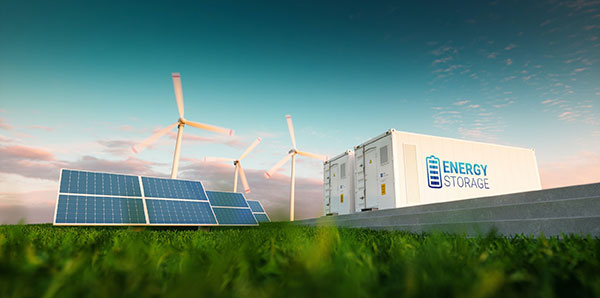
Fossil fuels are doing a number on the environment, and the need for electrical energy storage is steadily increasing. Luckily, the costs of energy storage and wind and solar power have decreased over the past decade, making renewable energy options more competitive.
Today, we have many energy storage options. Here are just a few:
- Pumped-storage hydropower facilities are large energy storage plants where we generate electricity using gravitational potential energy. For storage, water pumps up into a higher pool. Power is then generated through turbines as the water is released back into the lower pool as electricity is needed.
- Compressed air energy storage pumps air into a small underground cave during off-peak hours. This means electricity is less expensive. As electricity is needed, the heated air releases out of the cave, which causes expansion that turns a generator.
- Thermal energy storage facilities store energy using heat. Materials such as water, rocks, or salts are heated and insulated to store energy. Steam, which makes electricity-generating turbines spin, is created by pumping cold water into the hot materials when electricity is needed.
Other reasonably standard storage options include four different batteries — lithium-ion, lead-acid, flow, and solid-state batteries — plus hydrogen fuel cells and flywheels. The more energy storage options we can use, the easier it will be to limit our fossil fuel usage.
Why Should We Conserve Energy Resources?
Energy efficiency has never been more critical. Global warming is becoming an increasingly more significant threat, not to mention we’ve put a sizable dent in our nonrenewable fossil fuel resources. As a result, they will eventually be depleted. If that’s not enough reason for you to get on the energy conservation train, there’s plenty more where that came from.
Energy efficiency improves the air quality both inside your home and outdoors, which is critical for you and your loved ones to be able to live a healthy lifestyle. It also cuts back on energy demand and is good for our wildlife. Of course, there is also that likely possibility you will save significantly on your utility bills.
What is the Role of Energy in Our Lives?
So what is energy, and why is it so important? Simply put, energy powers everything we do, including making energy. If you’re ready to make adjustments to the way you use energy, contact your local service provider to discuss your energy conservation plan options. Start making a difference today for the generations of the future.
Brought to you by justenergy.com
All images licensed from Adobe Stock.
Featured image: