

Summary: Learn about the different kinds of portable electric space heaters, whether they’ll save you money, and how to choose the right one for your home or workspace.
Do you have a room in your home or workspace that needs more warmth when the temperature dips outside? Or maybe you’ve turned your thermostat down to save on your energy bills and want to heat the floor space of the room you’re in. Either way, a portable electric space heater can be a low-cost solution to reduce your energy consumption and increase the temperature in the space where you need heating the most.
What Is Energy Efficiency?
Many manufacturers of portable electric space heaters like to tout their “energy efficiency” as a selling point. Less energy consumption to perform the same task or produce the same result is the definition of energy efficiency. Using less energy to effectively heat a room can lower energy costs and increase comfort.
But the truth is, all electric heaters are 100% efficient at converting electrical energy into heat. Every watt of power is turned into heat that can be used, meaning none of it is lost through fuel combustion. So, the energy source that provides the electricity for your portable electric space heater is really what determines its energy efficiency.
The electricity that powers an “energy efficient” space heater may come from inefficient fuel sources, such as oil, gas, or coal. In fact, electricity produced from oil, gas, or coal generators convert only about 30% of the fuel’s energy into electricity. A space heater plugged into an outlet in a home or building that is powered by renewable energy, such as solar or wind, will be completely energy efficient from start to finish.
So, while so-called energy efficient heaters do convert electricity into heat efficiently, at their source they may be among the least energy efficient ways to heat your home.
Switch Plans Anytime, With Zero Fees
Say goodbye to restrictions and hello to freedom. Switch your plan anytime, at zero cost, and discover the perfect energy fit for your lifestyle.
What Are Space Heater Benefits?
That said, a portable heater is a good way to take control of your energy use and temperature, add warmth to smaller spaces, and potentially decrease your energy use while supplementing your home or building’s heating system.
You can buy an electric heater for a reasonable price, starting at about $25, but the costs of using it can add up depending on the size of your electric heater, the length of time you use it, and the cost of electricity in your area. Still, a space heater may be your only option if you want to avoid installing equipment or ductwork.
So, the real question isn’t how efficient an energy efficient space heater is, but rather how effective it is at heating a small space. Measure the whole room in square feet before you purchase a heating unit.
There are two types of electric space heaters for warming those hard-to-heat places in your home—the kind that heats the air and circulates it and the kind that directly heats whatever is in its line of sight without circulating the air. Let’s take a look at the different kinds of electric heaters for small spaces.

What Are Convection Space Heaters?
Like an oven, convection space heaters heat and circulate the air in a space. Most convection electric heaters use an electrical element to transfer heat to a fluid, typically oil, or a series of ceramic plates that then radiate the heat into the air. The heat-transfer fluid also stores some heat, which provides a more constant heat source.
Ceramic heaters are convection heaters that have a fan to help circulate the heated air throughout a room. A ceramic heater is also cool to the touch, one of the important safety features that prevents burns, but it is best used in spaces that are not very big.
Unlike combustion-style space heaters, which burn gas, oil, or kerosene to create heat, convection heaters do not emit harmful fumes and are safe to use indoors. Additionally, the heat-transfer oil used in this type of space heater never needs to be replaced.
Convection heaters are designed to offset heat loss from open windows and doors, so they often come with higher wattages, which may increase energy costs if you use them frequently. On average in the United States, convection heaters cost about 20 cents an hour to run.
Where Should I Put Convection Space Heaters?
We recommend placing a convection heater in your:
- Bedroom (fan-forced convection heaters are recommended for bedrooms with children and pets, as most are cool to the touch)
- Office
- Living room or den
- Basement
What Are Radiant Space Heaters?
Radiant space heaters use infrared radiation to heat objects and people directly within their line of sight, as opposed to heating the air around them. (Infrared radiation is perfectly safe; it is electromagnetic energy that makes sunlight feel warm on our skin.) Think of a charcoal barbecue grill or a campfire, which cook food through direct heat. The same principle applies here.
Whereas most convection space heaters take time to warm up a space, the main advantage of infrared heaters is that you can feel the heat immediately. In other words, convection heaters are generally better at heating large spaces over time, and infrared heaters are generally better at heating small rooms right away.
What Are Parabolic Space Heaters?
Parabolic space heaters are a type of radiant space heater that use a reflective, metallic bowl behind the heat source, or heating element—such as a ceramic and metal coil or a halogen bulb—to help control the direction the heat travels while amplifying, projecting, and broadly dispersing that heat. Parabolic infrared heaters are a wise choice if you’re in a smallish space and want to stay warm for an extended period.
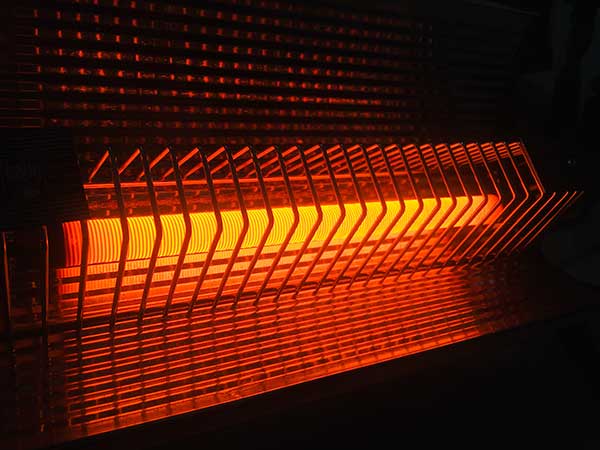
Radiant space heaters can be more efficient than convection space heaters when you are using a room for a short time, because the direct heat saves energy, as opposed to circulating the air. Direct heat also means that radiant space heaters won’t dry out the air as much as a convection heater might. Note that all infrared heaters create an orange glow, which some people find appealing but others may find distracting.
Your Satisfaction is Our Priority
We're confident you'll love your plan, but if not, call us, and we’ll help you find the perfect plan without any extra cost.*
Where Should I Put Radiant Space Heaters?
We recommend placing a radiant heater in your:
- Garage
- Shed
- Office and other workspaces
- Basement
- Bedroom, but without children or pets, for their protection
What Are the Costs of Space Heating?
The U.S Energy Information Administration found that, in January 2023 and 2024, the average cost of electricity was 16.21 cents per kilowatt hour (kWh). The average space heater, at 1,500 watts, in use for eight hours will use 12 kWh of electricity and cost about $2. Over a month, that adds up to more than $50 on your electric bill, so think carefully about how often you use your space heater and your temperature control, because electric heat generally costs more than natural gas.
How Do I Estimate Space Heating Costs?
Use this formula to calculate how much money you’ll spend using your space heater:
1. Multiply your space heater’s wattage by the number of hours of use. Let’s call that total A.
2. Multiply A by your electricity rate per kilowatt-hour. That total is B.
3. Divide B by 1,000.
Insulation in homes and buildings keeps the warm air inside in the winter and the cool air inside in the warmer months—and lowers your electric heating and cooling costs. Consumers who live in big houses and cold climates generally save the most money on their electric bills using a home electric heater.
How Do I Choose a Space Heater?
Consider these three factors before you choose a space heater:
- The amount of space that needs heating
- How the unit heats the space (radiant or convection)
- How much energy the heater consumes
Remember: Radiant heaters are faster but more focused, and they are most efficient in heating small rooms for short periods. A convection heater more evenly distributes heat throughout an area, which can be better when you’re in a bigger room for a long time.
How Can I Be Safe with Space Heaters?
As with any electrical appliance, there is always a risk of injury when using a space heater. And you don’t want to play games with a mini electric heating system. Make sure the unit you choose comes with safety features, like automatic shut off, for overheat protection—too high a temperature is a safety risk—and tip-over protection.
This is important because the U.S. Consumer Product Safety Commission estimates that portable space heaters cause about 1,700 fires each year. Space heaters represent a potential burn or fire hazard if used improperly. In fact, each year from 2017 to 2019, about 70 deaths and 160 injuries were caused by portable space heaters.
Fortunately, there are actions you can take to ensure your safety when using a space heater.
First, if you are going to buy a space heater, look for one that comes with a tip-over safety switch. This means the heater will automatically shut off if it falls over.
Once you’re ready to use your space heater, follow these important safety tips:
- Plug the heater directly into the wall outlet. Avoid using an extension cord. If you absolutely must use an extension cord, use the shortest possible heavy-duty cord consisting of 14-gauge wire or larger.
- Keep your heater at least three feet away on all sides from walls, beds, curtains, paper, clothes, and anything else that may catch fire.
- Never run a space heater’s cord under any carpet or rugs.
- Keep your space heater away from water and avoid touching it if you are wet.
- Always place your heater on a stable, level surface—like the floor—where it will not get knocked over.
- Do not leave your heater on unattended or while sleeping.
- Keep space heaters in an area where children or pets can’t reach them.
- Wait at least 25 minutes after turning off or unplugging your space heater before touching or moving it.
- If any part of the cord or the outlet feels hot to the touch, unplug your space heater immediately and notify your product’s manufacturer.
Now, with this information in mind, go forth and find the best space heater for your home or workspace!
Brought to you by justenergy.com