

We harvest crops to provide food to the masses, but we can also harvest the energy surrounding us and convert it to renewable energy. This is where the process of energy harvesting comes into play.
Also known as energy scavenging, energy harvesting is harnessing the energy produced in the world around us and then using technology to convert that into clean, green energy. But what exactly is energy harvesting, how does it work, and how realistic is it? Let’s answer these questions and more to determine what it means for us now and the future.
What Is an Example of Energy Harvesting?
Four types of energy harvesting exist: photovoltaic energy harvesting, piezoelectric energy harvesting, pyroelectric energy harvesting, and vibration energy harvesting. Let’s review each and check out some examples.
Photovoltaic Energy Harvesting
This type of energy harvesting uses light energy — typically the sun — to convert temperature differences across a material into electricity. You’re probably most familiar with photovoltaic (PV) solar panels made of either monocrystalline (single-crystal silicon) or polycrystalline (multiple fragments of silicon).
On a smaller scale, another example of photovoltaic energy harvesting would be a solar-powered calculator that uses solar cells to capture solar energy or artificial light to create the small electric current it needs to operate.
Piezoelectric Energy Harvesting
Piezoelectric energy harvesting creates energy by applying mechanical strain, such as low-frequency vibrations, acoustic noise, human motion, air pressure, and more. An example of this type of energy harvesting is a battery-free watch that recharges from your normal motion.
Pyroelectric Energy Harvesting
Pyroelectric energy harvesting uses the energy created by changing the temperature of a material and converting it to electricity. No great current examples of pyroelectric energy harvesting exist, but one potential use is a thermoelectric generator that uses wasted heat to create energy and power low-power-consumption devices.
Vibration Energy Harvesting
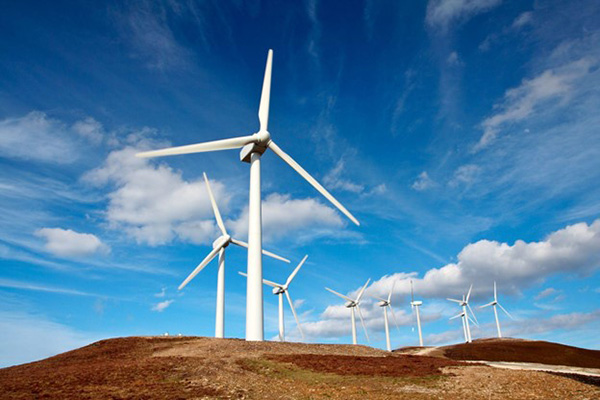
Vibration energy harvesting is just as it sounds — it converts the energy from vibrations into electricity. An example of this is a wind turbine that uses energy from the wind to turn a large fan that spins the turbine, creating the vibrations needed to create electrical energy.
Radio Frequency-Based Energy Harvesting
Radio frequency-based (RF-based) energy harvesting is harvesting energy by transmitting radio waves from 3 kHz to 300 GHz, which can be converted into direct electrical current. The big downside to this is that the signal strength drops with distance. However, with Wi-Fi and broadcasting infrastructure constantly growing, there’s a lot of ambient energy to harvest in urban areas.
An example of RF energy harvesting would be using the required technology to convert the waves from an over-the-air television broadcast into electricity.
Can Energy Be Harvested from Humans?

It may sound like it’s ripped straight from the script of “The Matrix,” but yes, you can harvest energy from humans in many ways. Let’s review some of the energy sources on and in our bodies.
Cardiovascular System
Our cardiovascular system is like a river, albeit filled with blood instead of water, but it’s constantly flowing thanks to our hearts. Like a river, there is energy within that flowing blood ready for harvesting. It may be possible to build implantable small turbines and install them in our arteries to harvest small amounts of electricity from the energy in our cardiovascular system. This power would be effective at keeping a pacemaker charged.
Body Heat
Believe it or not, body heat can be used as a form of energy harvesting. Researchers and clothing manufacturers have found ways to harness the energy from our body heat with special fabrics.
David Carroll, a professor of physics at Wake Forest University and founder of Power Felt, explains that from a body that creates 100 to 120 watts of body heat, you may be able to harvest 1-2 watts. That’s enough to run a cellphone or other small electronic devices.

Join us – we've been at this for more than 20 years, so you're in good hands.
Movement
Our movement creates energy that’s ready for harvesting and is already harvested in some cases. For example, the energy we create when riding an elliptical machine or stationary bike sometimes creates enough energy to power the equipment’s electronics. However, scientists are looking to take this a step further (so to speak) and have the energy from these machines offset a portion of an entire gym’s electricity usage.
With wearable technology becoming mainstream in recent years, adding energy-harvesting devices to these gadgets is another way to capture the kinetic energy created through movement.
Footsteps

While most of us rely on cars for transportation, some big cities, like New York, have too much traffic to consider driving anywhere. In these cities, walking is the typical mode of transportation for just a few blocks. The impact of our footsteps creates energy — about 7 watts per step — that can be harvested by piezoelectric-material tiles on the sidewalk or even in stores.
Waste
Surprise! Even human waste can be converted into electrical power. In fact, a toilet built in China in 2012 converted waste into electricity and fertilizer. Moreover, the Bill and Melinda Gates Foundation has funded a program developing a microbial fuel cell that runs on urine.
What Are the Disadvantages of an Energy Harvesting System?
While energy harvesting has lots of benefits, it also has its fair share of disadvantages. Let’s take a closer look at some of the challenges this type of harvesting presents.
- Unpredictability: Some energy harvesting relies on natural resources that aren’t always predictable, like solar power or wind energy. If there’s little or no wind or limited sun, there is little to no electricity generation.
- Wear and tear: Many energy harvesting processes have moving parts that can deteriorate and start reducing their power output and eventually fail altogether.
- Cost per watt: Compared to other power-generation methods, some energy harvesting systems have a high cost per watt generated.
- Size: Much of this technology is still developing to work for products and projects of various sizes.
As energy harvesting technology develops and advances, most of these disadvantages should slowly decrease.
Is Energy Harvesting Good?
Energy harvesting, despite some of its flaws, is overall a good thing. First, it allows us to power electronics and Internet of Things (IoT devices) in areas without access to conventional power sources. In these instances, we’d usually opt for batteries or other forms of power supply or energy storage, which need replacing or recharging. But energy harvesting eliminates that need.
Second, it expands the areas we can take electronics to, such as underwater and other areas where conventional electricity or batteries don’t make sense.
Energy harvesting is also generally a low-maintenance power source. Furthermore, energy harvesting doesn’t rely on fossil fuels and can help offset our carbon emissions by focusing on renewable energy generation.
What’s the Main Source of Energy Harvested?
Many sources of energy harvesting exist, but some are far more popular than others. One of the most common sources is the sun, which uses photovoltaic panels to facilitate solar energy conversion to electricity.
What Are the Negative Impacts of Harvesting Energy?
Harvesting energy — like all renewable energy — is more eco-friendly than fossil fuel-sourced energy. However, harvested energy still has some negative environmental impact. Let’s review some of energy harvesting’s most significant negative implications.
Dangers to Wildlife and Land
Some energy-harvesting methods directly affect wildlife. For example, wind energy (specifically wind turbines) poses a significant threat to flying wildlife. Plus, wind turbines and solar panel farms require a significant amount of land to house enough materials to supply ample electricity.
Hazardous Materials
Various energy-harvesting systems, such as solar panels, use hazardous materials in manufacturing. This, of course, depends on the type of system it is. An example includes carcinogens that some energy harvesting devices require to create polymers used as substrates and as the semiconductor in organic photovoltaics. That said, as technology continues to develop, companies may develop alternative, cleaner manufacturing processes.
Can We Harvest Rain Energy?

We’ve been harvesting the energy of rainfall for years in the form of hydroelectric plants. These plants sit on rivers and water basins, filled in part by rainwater, creating electricity as water flows through them.
But the bigger question is, can we harvest energy from raindrops themselves? According to engineer Wang Zuankai from the City University of Hong Kong, we can. Zuankai and other researchers found that a 100 microliter water droplet dropped from just 15 centimeters can generate over 140 volts of electricity and light 100 small LED lights.
This has been an area of study for energy scientists for years, but Zuankai and his researchers have improved upon earlier research. One such improvement is the use of polytetrafluoroethylene or PTFE film. This film can accumulate a surface charge as water droplets continuously hit it until it reaches saturation.
This technology is still developing, but researchers expect to have a prototype ready for presentation sometime around 2025.


I heard about Just Energy through a friend of mine. I went with them because of their low rate, and I save more energy too. With their service, our bills went down. Their people were nice as well.
Franklin Powe
What Are the Three Stages of Energy Harvesting?
Energy harvesting has three key phases in capturing energy, converting it to electricity, then delivering it to the electronic device. These three distinct phases or stages of energy harvesting are:
- Mechanical energy transfer: This is when the mechanical energy, be it a vibration, impact, or even temperature change, transfers to the transducer.
- Energy conversion: This phase is when the transducer converts the energy into electricity.
- Energy conditioning and delivery: The electricity is conditioned for the device it will power, then delivered to it — or delivered to a storage device, such as a battery.
Energy Harvesting Is Effective but Still Developing
Energy harvesting has been around for many years, from the crank weather radio you take camping to wristwatches that don’t need batteries or winding. This technology continues to grow as we discover new ways of harnessing the many forms of energy that surround us, including our body heat, footsteps, and more.
Up until now, we’ve seen a great deal of this technology powering large-scale systems like hydroelectric power plants and solar panels. But we may see smaller electronics self-powering through energy harvesting as technology improves.
Energy harvesting might even help save on your energy bill too, as solar panels can reduce your bill and may even earn you cash depending on how much power your solar panels produce. If that’s not an option, consider switching to a green energy plan. It could lower your electricity bill and offset your carbon footprint in the fight against climate change.
Brought to you by justenergy.com
All images licensed from Adobe Stock.
Featured image: