

Energy is one of the biggest line items for any restaurant, but you don’t have to change what you serve or how you treat guests to reduce those costs.
The energy management tips for restaurants below walk you through taking a closer look at your energy use, finding easy savings spots in the kitchen and front-of-house, choosing upgrades that make a noticeable impact, and pairing everyday routines with an energy plan that fits your needs.
Why Energy Management Matters for Restaurants
Restaurants use energy all day for cooking, lighting, and keeping the space comfortable, so utility bills can add up fast. The good news is you can often lower these costs with a few simple changes. By making small, steady improvements in how your team uses energy, you can see real savings in your operating expenses.
Restaurants Use More Energy Than Most Commercial Buildings
ENERGY STAR reports that restaurants use five to seven times more energy per square foot than most other commercial buildings. Busy quick-service restaurants can use up to ten times more energy, most of which goes to refrigeration, cooking equipment, lighting, and cooling.
Energy Savings Can Directly Improve Margins
Because restaurant profits are often slim, even small savings on utility bills can make a big difference. Cutting just a few percent from your monthly energy costs can help more than raising menu prices, especially when you combine upgrades with better daily habits.
Your Satisfaction is Our Priority
We're confident you'll love your plan, but if not, call us, and we’ll help you find the perfect plan without any extra cost.*
Start With a Restaurant Energy Audit
You need to know where your energy is going before you can manage it. Start by doing an energy audit, which can be as simple as walking through your restaurant with a checklist or as detailed as hiring a professional.
Review Utility Bills and Usage Patterns
Gather at least a year’s worth of electricity, gas, and water bills and look at them month by month. You’ll often spot patterns, like higher costs in summer or during holidays, and months that seem expensive for no clear reason. Your bills are a free and valuable tool for finding these trends.
Identify Your Biggest Energy Loads
Go through each area of your restaurant, like the kitchen, dining room, walk-ins, dish area, and outside signs. Make a note of which equipment runs the longest and uses the most power. Usually, refrigeration, cooking equipment, HVAC, and water heating are the main sources to focus on first.
Create a Baseline Before Making Changes
After you figure out your energy use, record the monthly totals, peak hours, and how long equipment runs in a simple spreadsheet. This baseline helps you track progress when you start making changes.
Reduce Energy Waste in Commercial Kitchen Equipment
Most of a restaurant’s energy is used in the kitchen, so focusing your efforts there should brings the quickest results. Good commercial kitchen energy efficiency comes from a mix of daily habits and smart equipment choices that don’t affect how you prepare food.
Shut Down Idle Equipment
Cooking equipment left on between rushes uses a surprising amount of energy. Build a startup and shutdown schedule into prep so fryers, broilers, ovens, and steam tables come on close to when they’re needed and shut off when service slows.
Maintain Equipment Before It Becomes Inefficient
If your kitchen gear isn’t cleaned or checked often, it has to work a lot harder, quietly driving up your energy bills. Try making maintenance part of your regular routine, like scraping grease traps, checking thermostat settings, cleaning out steamers, and scheduling a yearly check of the gas lines. Fixing something early almost always costs less than buying a new appliance later on.
Choose ENERGY STAR Certified Equipment When Replacing Units
When an oven, fryer, or cooler finally gives out, springing for an ENERGY STAR model is usually worth it. The upfront price might be a little higher, but you’ll probably make that back—and then some—thanks to lower utility bills over time. Don’t just consider the sticker price; think about how much you may save on energy for as long as you own it.
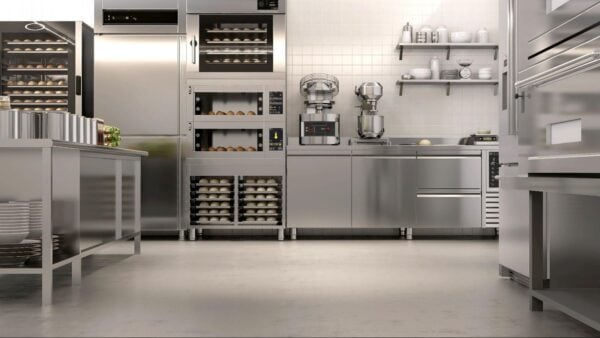
Improve Refrigeration Efficiency
Fridges and freezers never get a break in a restaurant, so they can end up using a surprising amount of electricity. On the bright side, you don’t need brand-new gear to see improvements. Most of the savings come from simple upkeep.
Keep Walk-Ins and Reach-Ins Sealed
If a walk-in or reach-in door won’t close tightly, cold air seeps out, and the compressor has to work overtime. Peek at door seals every month, swap out cracked gaskets, and remind your team that keeping doors closed really does save money.
Clean Coils and Clear Airflow
Dust and grease love to settle on condenser coils, making the fridge work harder (and use more power). Wipe the coils down at least once every few months. Also, keep the area around the fridge clear so air can move freely, especially in tight kitchens where boxes and supplies pile up.
Set Correct Temperatures
You don’t need to keep things colder than necessary. Aim for 36-38°F in your cooler and 0°F in the freezer. It’s smart to use a separate thermometer because sometimes the one on the unit isn’t spot-on. Even raising the temp by a degree or two can save you money each month.
Control HVAC and Ventilation Costs
After refrigeration, heating and cooling are usually the next biggest energy users in a restaurant. Add in the kitchen’s exhaust hoods, and things get even trickier. A few smart moves can keep your space comfortable and safe without blowing the budget.
Service HVAC Systems Regularly
Restaurant HVAC systems run all day, so it’s no surprise they need regular attention. Swap out filters every month, and have a professional take a look before summer and winter hitbegins.
Use Programmable or Smart Thermostats
Smart thermostats let you match heating and cooling to when people are actually in the building. Smart models even learn your schedule and adjust on their own.
Manage Kitchen Exhaust Hoods
Kitchen hoods pull out lots of air, making the heating and cooling systems work harder to replace it. If you can, use variable-speed controls to turn hoods down during slow periods, and always match the setting to what’s actually cooking.
Upgrade Lighting Without Hurting the Guest Experience
Lighting in restaurants does double duty because it sets the mood and drives the bill. The right upgrades cut wattage where it doesn’t matter and keep the warm, welcoming feel where it does, so guests never notice and the operating costs come down.
Switch to LEDs in Dining, Kitchen, and Exterior Areas
LED bulbs use much less power than old-school incandescent or fluorescent lights, and they last a lot longer, too. For most fixtures, you can swap in LEDs without any hassle, since no rewiring is needed. Furthermore, today’s dimmable LEDs can give your dining room that cozy, inviting look guests love.
Add Sensors, Dimmers, and Timers
It’s easy to forget lights on in places like storage rooms or bathrooms, so adding sensors means you don’t have to worry. They’ll turn off automatically when no one’s around. For patio lights or exterior signs, timers make sure they’re only on when needed, adjusting as the days get longer or shorter. In the dining room, dimmers let you fine-tune the lighting to create just the right mood while keeping energy use in check.
Reduce Water Heating and Dishwashing Energy
Hot water is constantly in use for washing dishes, prepping food, and cleaning up, so heating it can become one of your biggest energy expenses. By making a few smart changes, you can cut down on your gas, water, and sewer bills all at once. It’s a rare triple win for your bottom line.
Avoid Overheating Water
Most restaurants set their water heaters too high. The standard recommendation is 120°F for general use, with booster heaters handling the dish machine.
Install Low-Flow Fixtures
Low-flow pre-rinse sprayers, faucets, and toilets all use significantly less water than older fixtures, which means less hot water has to be heated. The fixtures themselves are cheap, and the installation is simple.
Run Dish Machines Efficiently
Only run the dish machine when you have a full rack and scrape plates well before loading. Avoid empty cycles, and remind staff to skip pre-rinsing if the machine can handle it to save hot water and energy.
Train Staff to Support Energy Management
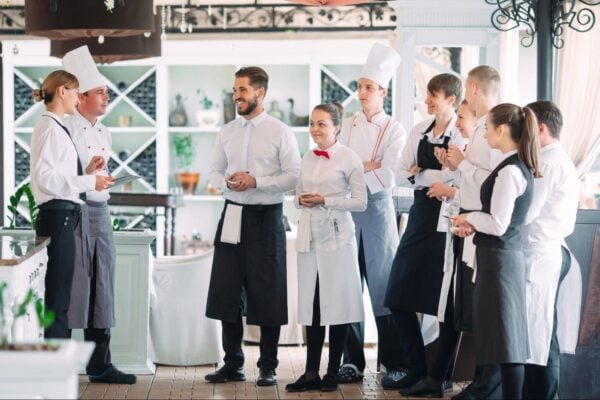
Staff habits are key to saving energy, and the most effective energy management tips for restaurants only work when everyone knows the best practices, so savings from equipment upgrades actually last.
- Create Opening and Closing Checklists: List out what needs to be turned on or checked when opening, like the thermostat, equipment, and signs. At closing, jot down what gets shut off and checked—walk-in doors, lights, vents. Keep these lists short and post them where staff will see them.
- Assign Ownership by Shift: Pick someone each shift to run through the checklist and spot anything that’s off. Give a shout-out when they catch something important so people stay motivated.
- Make Energy Savings Visible: Put the energy bill up in a spot everyone passes, along with a quick note on what went up or down. When staff can see the numbers, they’re more likely to keep up good habits.
Choose the Right Energy Plan for Your Restaurant
Using less energy is one lever. The other is choosing the right plan for the energy you do use, and that pairing is where the deepest restaurant energy saving tips live.
Match Your Plan to Your Operating Hours
If your restaurant keeps steady hours, a time-of-use energy plan might save you money, since your busiest times are predictable. But if you open extra early or close late, a different rate plan could work out better. Check that your energy plan lines up with when you actually use the most power.
Compare Commercial Electricity Options
Just Energy works with restaurants and other commercial customers to design custom electricity and natural gas rate quotes, flexible contract terms, and, where available, renewable energy credits. A side-by-side comparison of Electricity Facts Labels with your usage profile shows which option best fits your needs.
Explore Just Energy’s business electricity plans.
Track Bills After Efficiency Improvements
Once you’ve made changes, look at your utility bills each month to see if they’re reducing your energy costs. If costs aren’t dropping like you hoped, it’s worth taking another look at what you changed or your energy plan.
Quick Restaurant Energy Management Checklist
Having a short list makes it easier for everyone to remember what needs to get done. Keep a copy posted where the team will notice it during opening and closing.
Daily
- Make sure thermostats are set for the right hours.
- Check seals on walk-in and reach-in doors.
- Turn off cooking equipment between rushes.
- Check that outdoor sign timers are working.
Weekly
- Clean condenser coils and hood filters.
- Look over utility bills for any surprises.
- Do a closing walk to check that lights and equipment are off.
Monthly
- Change out HVAC filters.
- Calibrate thermostats and pilot lights on cooking gear.
- Compare this month’s bill to last month’s.
Annually
- Schedule a professional HVAC and gas line inspection.
- Review your commercial energy plan against current usage.
Your Power, Your Terms
Pick from short-term or long-term plans to enjoy maximum flexibility. You call the shots!
Restaurant Energy Savings FAQs
Refrigeration, cooking equipment, HVAC, and water heating are at the top of the list in most restaurants. Lighting and exterior signage fill out the rest, and the exact mix shifts with concept and climate.
Start by turning off equipment you’re not using, swapping out old bulbs for LEDs, setting up your thermostat schedules, and making sure the fridge and freezer seals are tight. Together, these changes reduce restaurant energy costs noticeably on your very next bill.
Definitely—especially for machines that run a lot, like fryers, ovens, dishwashers, and fridges. The higher upfront cost usually pays for itself in a few years from the lower energy bills.
Aim to clean them every few months, and even more often if your kitchen is really busy. When coils get dirty, the fridge works harder, uses more electricity, and won’t last as long.
An audit shows where your energy actually goes, which is rarely where you’d expect, and gives you a baseline to measure improvements against.
Final Thoughts: Small Energy Changes Can Add Up
The most useful energy management tips for restaurants are the simple changes you stick with every day. Take stock of where your energy goes, make upgrades that matter, and get your team on board. Knowing how to save energy in a restaurant comes down to those routines, and good energy conservation tips for restaurants compound over time. Picking a plan that matches your actual needs can help you save even more.
Brought to you by justenergy.com
All images licensed from Adobe Stock.