
Carbon dioxide released from burning coal and methane are known as two of the most damaging greenhouse gases contributing to climate change. Yet coal bed methane (CBM) is on the march, with a sizable market growth forecast for the next decade.
While many countries signed up to achieve net-zero emissions by 2050, that hasn’t stopped coal bed methane from being used and seen as a valuable potential energy source. Unlike traditional underground mining, we don’t need to dig deep to uncover all the fuss about coal bed methane. Here’s what you need to know.
What Is Coal Bed Methane (CBM)?
Coal bed methane (CBM) is simply methane gas (CH4) stored within coal beds. It’s a hydrocarbon, otherwise known as a fossil fuel. CBM is an unconventional gas that requires advanced production methods to capture it.
Underground coal deposits are usually extensive, meaning that, potentially, they can hold considerable quantities of CBM. This natural gas may exist in existing coal mines, mines that are no longer economically viable, and unexplored coal seams.
Coal bed methane is as versatile as standard methane. Once extracted and refined, it is ready for heating, cooking, electricity production, and broader uses. Its other names include virgin coal seam methane or coal seam gas.
How Does Coal Bed Methane Form in Coal Seams?
Organic plant materials, over time, naturally convert into peat and then coal in a process called coalification.
This coalification produces coal and methane simultaneously, with the methane trapped within the coal, often towards the surface of the seam. However, the coal formation occasionally becomes saturated in water, trapping the methane within the coal.
It is this water-trapped methane that is coal bed methane. It’s the same methane but held underground, geologically, in a different way from conventional methane.
How Is Coal Bed Methane Extracted?

Coal bed methane production requires drilling into coal deposits and seams, called hydraulic fracturing or fracking. The next step is called dewatering, which involves pumping out large volumes of groundwater from the coal.
Extractors drill holes into coal seams and extract the trapped water, also called produced water or CBM wastewater. This dewatering lowers the pressure contained within the coal seam.
The methane, now free of the water that trapped it, can release and flow upwards into the gas well above. From here, companies can process methane or transport it through pipelines for storage and further use.
Coal bed methane wells can go as far as 500 meters underground (about 1,640 feet) and exploit methane reserves from coal deposits that are uneconomical or will never be mined.
What’s the Difference Between Coal Bed Methane vs. Coal Mine Methane?
Coal bed methane exists within coal seams, formed during coalification, and is considered unconventional gas – methane that requires special extraction techniques.
In contrast, coal mine methane (CMM) is methane released from coal seams and its surrounding environment because of mining. CMM can be dangerous. With sufficient concentrations, it can cause explosions as miners work. CMM may also seep through fissures into the atmosphere and pollute local aquifers.
How Does Coal Bed Methane Differ from Conventional Natural Gas?
Once released, coal bed methane is processed and can be used the same way as the methane from natural gas production sites. CBM might end its journey in the following ways:
- Burned at power plants to create electricity.
- Heating buildings as a fuel for natural gas central heating furnaces.
- Becoming fuel for vehicles as compressed or liquefied natural gas (LNG).
- Converted into feedstocks for manufacturing processes, such as being converted into ammonia for explosives or fertilizers.
- Used in mines to dry coal or heat mine ventilation air.
What Are the Global Warming Impacts of CBM Extraction?
“Before looking at CBM extraction impacts, it’s vital to remember that methane emissions are the second most toxic greenhouse gas contributing to global warming, following carbon dioxide (CO2).
The United States Environmental Protection Agency (EPA) estimates that methane accounts for 16% of all global emissions. Furthermore, methane is 28 times more effective at trapping heat in the world’s atmosphere and 82.5 times more impactful than CO2 in its first 20 years of release. Some 30% of recent global temperature rises lie at methane’s feet.
Simply extracting this hydrocarbon for use is damaging the planet rapidly.
What Are the Environmental Impacts of Coal Bed Methane Extraction?
CBM extraction requires large volumes of water. Once used, this so-called produced water has high salinization concentrations and a mix of potential pollutants. Releasing it into local aquifers or freshwater ecosystems could harm wildlife and pollute safe drinking supplies.
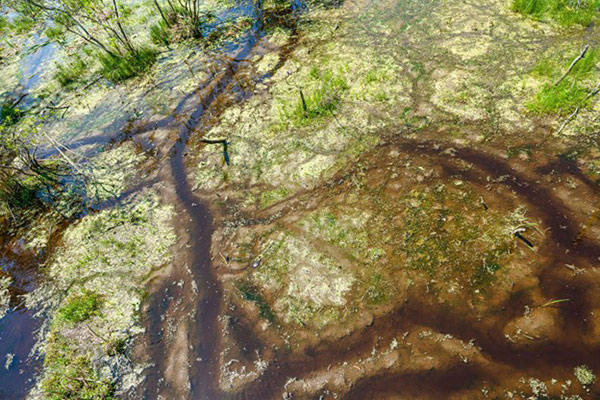
Water use dries up some local aquifers, reducing the water quality and amount available to local residents and animals. New swamps and ponds appear in other areas because the underground water pumping changes the groundwater’s landscape.
In Southern Colorado and Northern New Mexico, coal bed methane production in the Raton Basin was followed by earthquakes and increased seismic activity in the area. It’s thought the wastewater disposal from CBM development was to blame.
Some coal seams, now drier with their water removed, set fire, releasing more contaminants into the atmosphere and water courses. Subsidence, death of vegetation, and methane build-ups under buildings occur near CBM sites. Air pollution and reduced air quality are common near gas wells.
For example, the Powder River Basin in Wyoming sits atop a vast coal bed methane gas field. In its heyday at the turn of the millennium, more than 24,000 gas wells were pumping out one billion cubic feet of gas daily from various gas reservoirs.
Dewatering was blamed for disturbing methane deposits at Rawhide Village, a few hundred yards from the Eagle Butte coal mine in Powder River Basin. Residents eventually abandoned the area after showing the world via TV interviews how they could light escaping methane through cracks in the sidewalk. Without a doubt, the environmental impact of methane, and coal bed methane extraction, is considerable.
What Are the Positive Impacts of Coal Bed Methane?
According to the U.S. Energy Information Administration (EIA), in 2020, some 7% of the total U.S. methane emissions came from coal mining and abandoned coal mines. That’s about 1% of the nation’s total greenhouse gas emissions.
Previously, many mines—operating or closed—let methane escape into the atmosphere rather than capturing it for use. Coal bed methane extraction is now seen as a way to maximize hydrocarbon resources without opening up surface or deep mines. Some areas might be able to use discharge water for irrigation, although this avenue must be approached with great care.
Emissions remain the same whether the gas is left to seep into the atmosphere or burned. Coal bed methane supporters point to the fact that capturing this hydrocarbon at least allows us to maximize its energy potential. Burning methane also produces fewer emissions than burning coal, which is desirable if we continue to rely on electricity from fossil-fuel-powered power plants.
Despite the transition to renewable energy sources, oil and gas resources are precious to many. They bring jobs, generate income, create important industrial products, and provide energy security to countries with CBM gas reservoirs. Rapacious global energy demand will see our needs almost doubling by 2050, and so will the market for the raw materials that power it.
For these reasons, coal bed methane development continues.
Your Satisfaction is Our Priority
We're confident you'll love your plan, but if not, call us, and we’ll help you find the perfect plan without any extra cost.*
What Countries Have Significant Coal Bed Methane Reserves?
Countries with large coal bed methane reserves are:
- USA: 1,738 trillion cubic feet (TCF) including Alaska, or 711 TCF without Alaska
- Russia: 1,730 TCF
- Australia: 1,037 TCF
- China: 1,307 TCF
- Canada: 699 TCF
According to the U.S. Geological Survey (USGS), around 100 of the 7,000 TCF of CBM gas content in the U.S. is recoverable.
In 2022, CBM production supplied 2% of total natural gas production in the United States. The Rocky Mountain region is the hotspot. Colorado, Wyoming, and New Mexico are the top-producing areas, followed by Montana.
Do Regulations Protect the Environment from Coal Bed Methane Extraction?
In theory, the United States has several layers of regulations to protect the environment from issues surrounding coal bed methane extraction.
Firstly, the Clean Air Act and the Clean Water Act demand that general air and water pollutants be minimized by industry.
Secondly, CBM production companies must have a National Pollutant Discharge Elimination System (NPDES) permit. This permit controls coal bed methane discharges, albeit the rules vary from state to state. Some prohibit direct discharges into anything considered the “water of the United States.” In contrast, others only ask for limits on some pollutants. There are no national guidelines.
What Is the Global Outlook for Coal Bed Methane as an Energy Resource?
The global CBM extraction industry was worth around $10 billion in 2022. Between 2023 and 2035, an anticipated 4% compound annual growth rate (CAGR) will push the coal bed methane industry value to $16.3 billion. North America—the U.S. and Canada—is expected to lead the world in CBM production by 2035 with 35% of market capture.
There is scope for growth almost everywhere there are coal seams. Many governments now view burning natural gases like methane as preferable to coal, making coal bed methane a more attractive and profitable option.
Coal Bed Methane: Friend or Foe?
Coal bed methane is the face of emissions past or emissions future, depending on the optics.
On the one hand, tapping into a valuable hydrocarbon trapped in coal seams helps countries meet rising energy needs. Burning methane as a natural gas produces less greenhouse gas emissions than coal, which will help governments meet their net-zero emissions targets. We also produce many valuable materials from methane, keep warm, cook food, and even power our vehicles with it.
On the other hand, coal bed methane use releases one of the most damaging climate-changing gases into the atmosphere, hastening global warming. Its gas wells can wreak havoc on local wildlife and water supplies, polluting groundwater and watercourses, starting fires, and even bringing earthquakes to previously geologically stable areas. The cost to humans and the environments surrounding coal bed methane production sites can be huge.
Electricity created by renewable energy sources like solar and wind farms is far more environmentally friendly than continuously setting fire to methane. But as the scrabble for energy security intensifies, be it from fossil fuels or renewables, coal bed methane seems set to continue its slow rise from the shallow depths it inhabits to a seat of power at the energy sector’s table.
Brought to you by justenergy.com
All images licensed from Adobe Stock.