

Texas and California are national leaders in solar power and renewable energy. The two states continue to push energy market advancements by adopting virtual power plants (VPPs).
And there’s nothing abstract about the potential of virtual power plants. An army of small-scale energy producers—some who may not even realize they could enlist—could soon join large-scale energy producers in America’s battle against climate changing emissions.
Energy isn’t just about how much you generate — it’s about when and how you use it. Let’s explore how VPPs are set to revolutionize our relationship with electricity.
What Is a Virtual Power Plant?
A virtual power plant is not one single power plant, like a traditional nuclear energy reactor or other generator powered by fossil fuels. Instead, VPPs bring together hundreds, thousands, or more small-scale power generators and feed electricity from them into the grid.
These small-scale generators include:
- Rooftop solar panels
- Battery storage (e.g., an electric vehicle battery or home energy storage system)
- A micro wind farm, hydropower generator, or biomass system
- Backup generators
These small-scale generators are also known as distributed energy resources (DERs). Connecting them so they can respond to real-time changes in energy demands by feeding electricity into a grid is what is called a virtual power plant.
DERs also work through smart thermostats, reducing demand on the grid by turning down an appliance’s needs or turning them off altogether. This demand reduction can also help balance the grid.
Why Do We Need Virtual Power Plants?
Power grid operators constantly monitor electricity demand and supply. Climate change and extreme weather events like intense winter storms and heat waves can cause huge spikes in electricity use. For example, people reach for air conditioning when temperatures soar. Most of these rises and falls can be predicted based on previous energy usage patterns.
A grid operator’s management system may not have enough power plants or renewable energy sources operating on the wholesale market to meet requirements at certain times. Outages, blackouts, or rolling blackouts can occur if demand doesn’t match supply.
Virtual power plants aggregate thousands of small-scale generators to maintain a reliable electricity supply to avoid such a scenario. Grid services continue thanks to the extra electricity boost added by the multiple DERs, known as a demand response. Response times are quick, making the system effective.
VPPs also help balance grids that depend on renewable energy. Solar panels and wind farms may not always run to capacity on cloudy or windless days. Virtual power plants can call upon other sources to plug that gap, enhancing a grid’s power generation model. VPPs can also reduce the need for building power plants in the future.
Virtual power plants represent a new generation of using for the energy we create without letting it go to waste. VPPs are good housekeeping for ever-increasing energy needs. For instance, the Department of energy estimates that the U.S. could save $10 billion in grid costs by deploying 60-120 gigawatts (GW) of VPPs by 2030. Much of that could come from electric vehicles alone. They are expected to add 300-530 GWhs of storage capacity through their batteries over the same period.
In Europe, VPPs are gathering pace. For example, in Germany, Next Kraftwerke has 10,000 megawatts (MW) of electricity capacity within its management system, enough to power around five million American homes.
How Does a Virtual Power Plant Work?

Using a virtual plant network, utilities or grid service companies pool their network’s potential electricity generation capabilities when electricity demands hike or reach peak demand levels.
Electricity from solar panels or wind farms, energy stored in home storage or electric vehicle batteries, or backup generators feed into the electricity grid. It could be that a farmer’s biomass-driven electricity turbine starts to operate and generate electricity.
This surge of extra power immediately satisfies demand or may be stored for later use. For example, VPP energy could work the machinery at a pumped hydro storage reservoir, pumping water to a reservoir for storage. Here, energy can be stored until required, releasing the pumped water to turn turbines to create electricity when needed.
Cloud-based management systems help the grid operators balance the network in real time. Customers signed up as VPP contributors receive a payment or bill credits for their efforts as a temporary power supply source.
Smart and digital metering allows utilities to accurately record all power consumed or generated at VPP sites, usually in real time. Accurate generation and consumption data further enhance understanding of energy markets.
Why Are Virtual Power Plants Important?
Homes and businesses require a constant and reliable energy supply to function. Global energy demand is predicted to grow by 50% in the next 25-30 years. Understandably, burning fossil fuels and releasing damaging greenhouse gas emissions into the atmosphere is unsustainable.
Yet climate change has forced governments worldwide to cut emissions. The Paris Agreement means most nations have committed to capping global temperature increases to 2.7 degrees Fahrenheit, or 1.5 degrees Celsius, by 2050.
This target requires many countries to achieve net-zero emissions by the same date. The U.S. has targeted 100% clean electricity by 2035. The pathway has seen an explosion of solar and wind farms and an energy transition to a more electricity-based lifestyle.
However, renewable energy generation can be sporadic. Excess production may go to waste if not used immediately, which is where VPPs step in. And it’s a growth industry. Research experts predict investment in distributed energy resources (DERs) will top $110 billion between 2020 and 2025.
More frequently, homes and businesses have solar panels fitted, often with battery storage systems. That way, proprietors can benefit from stored electricity when required. Likewise, electric vehicles carry huge batteries that can feed power back into power grids, known as a vehicle-to-grid system.
Virtual power plants also plug a gap in the wholesale market. Excess electricity can be stored across multiple VPP-networked devices and redistributed when required, like not putting all your eggs in one basket.
What Are the Advantages of Virtual Power Plants?
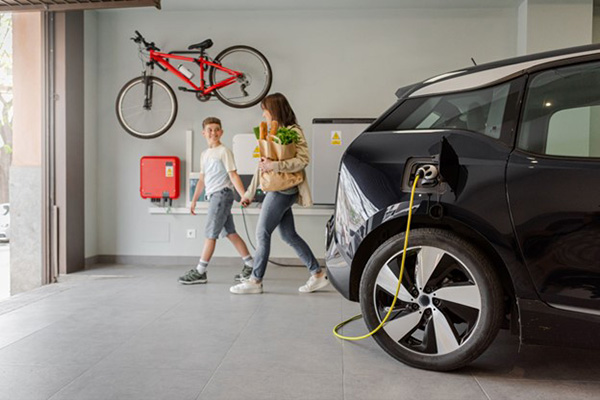
Most people use electricity when they wish. Some consumers monitor their usage carefully, especially if they’re on a time-of-use (TOU) offer, like free electricity on weekends.
However, the future of electricity is not just how much we use, but when. We must adapt to the rhythms of renewable energy sources like solar and wind and squirrel away excess electricity for another day. Indeed, shifting consumption patterns and using VPPs could reduce U.S. peak demand by 60 gigawatts before the decade’s end.
Virtual power plants can also improve a grid’s reliability and flexibility by reducing reliance on centralized power generation and spreading it across multiple power supplies. Virtual power plants were just one of many missing pieces of the energy puzzle that resulted in lengthy power cuts during Texas’ fatal winter storms in February 2021.

Join us – we've been at this for more than 20 years, so you're in good hands.
Similarly, energy security is a rising theme. Maximizing energy also helps protect electricity prices; the massive rise in natural gas prices saw electricity prices spike after Russia invaded Ukraine.
Another incentive is that anyone contributing to a grid as a VPP may enjoy lower electricity bills. People are rewarded for pushing electricity back into the grid through bill credits or lower electricity prices. Texas Solar Buyback programs are like a VPP. Customers receive payment for excess energy their solar panels produce.
Virtual power plants will help with the decarbonization of the economy. Imagine a world where solar or wind farms charge an electric vehicle or home battery storage system that returns that stored electricity to the grid when required.
VPPs’ role in reducing reliance on fossil fuel-powered generators will lower emissions and benefit the planet and people’s health. Using VPPs at peak demand times is also around 40-60% cheaper than building utility-scale battery storage or natural gas-peak period power stations.
What Are the Disadvantages of Virtual Power Plants?
Of course, it’s not all win-win for every player in the VPP market.
A homeowner’s battery feeding into the grid may help avoid a local outage. However, draining that battery may mean losing the property’s blackout protection should the outages last a significant amount of time. Furthermore, you cannot control how much or how fast the energy leaves your storage system.
Buyback tariffs may provide little savings or payments to participants. Also, so-called “grid events” are not easy to predict or define; your battery or solar panels become part of a more extensive network you don’t control, removing the energy independence the power system brought.
Smart metering and thermostats could also see your appliances work at reduced levels or turn off altogether if a grid operator needs to reduce peak demands. Finally, increased reliance on technology makes grid networks more susceptible to hacking and other cybersecurity threats.
California and Texas: Virtual Power Plant Pioneers
California has around 100,000 solar-charged batteries throughout the state, with a combined power of one gigawatt. That’s about the same output as a nuclear reactor.
The powers that be know such a powerful tool is helpful to harness. The California Energy Commission (CEC) has introduced the Demand Side Grid Support program to draw these battery owners into signing up to supply the grid during peak demand hours.
The Public Utility Commission of Texas (PUCT) recently announced its own pilot virtual power plant scheme. The equally snappily titled Aggregate Distributed Energy Resource (ADER) looks for DERs with 100 kW of power generation capabilities up to 80 MW. However, the average residential battery storage system offers 5 kW, which is not enough to qualify.
But Tesla customers in Texas with Powerwall battery storage systems can get involved in the company’s VPP project in Texas. Powerwalls automatically kick in to power homes when it detects an outage.
And the VPP revolution is not limited to the Lone Star state.
Are There Virtual Power Plants (VPPs) in the U.S.?
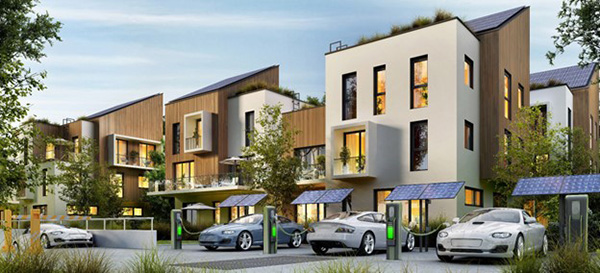
U.S. companies like Sunrun Inc. have been helping with VPP projects. They’ve developed eye-catching products like lighting a home with an electric Ford vehicle during an outage. Last year, in 2022, the company added 1.8 gigawatt-hours of power to New England’s grid from June through August during the peak demand hours of 1-5 p.m.
Oakland-based OhmConnect showed VPP’s value during a heat wave last year in California. Between August 31 and September 9, 2022, more than 200,000 DERs pushed electricity into the state’s grid. The 1.5 gigawatt-hours of energy helped balance the grid and earned those that contributed around $2.7 million.
Tesla also forms part of Australia’s and the world’s largest virtual power plant. At present, more than 5,000 small-scale generators are part of the VPP in South Australia, with plans to reach 50,000 over time.
Where Is the World’s Largest Virtual Power Plant?
Two areas are battling to claim the prize of the world’s largest virtual power plant.
In both cases, Tesla is at the center. Currently, the world’s largest virtual power plant is the network of 5,000+ small-scale generators across South Australia, with plans to reach 50,000 contributors, including Tesla customers.
Tesla has also announced plans to create the world’s largest VPP in California. It will link its customers’ Powerwall with other providers in a pilot run with Californian utility Pacific Gas and Electric Company.
Your Satisfaction is Our Priority
We're confident you'll love your plan, but if not, call us, and we’ll help you find the perfect plan without any extra cost.*
Virtual Power Plants: Part of Clean Energy’s Future
Virtual power plants, or VPPs, are a move away from centralized power production and savings. The many millions of small-scale electricity generators can now unite under management systems to help balance the demands on power grid systems.
Outages and blackouts can be avoided thanks to grid operators by asking connected small-scale generators to push electricity into the grid — or by getting smart thermostats and meters to limit appliance usage through what is known as demand response.
According to the Department of Energy, VPPs will allow up to 180 GW of growth in national power capabilities by 2030, offering participants up to $13 billion in savings annually.
VPPs will help us make the most of the so-called unreliable renewable energy sources like wind and solar. It’s the next step to a smarter grid, creating more intelligent decisions about using and storing electricity during this energy transition era.
Brought to you by justenergy.com
All images licensed from Adobe Stock.